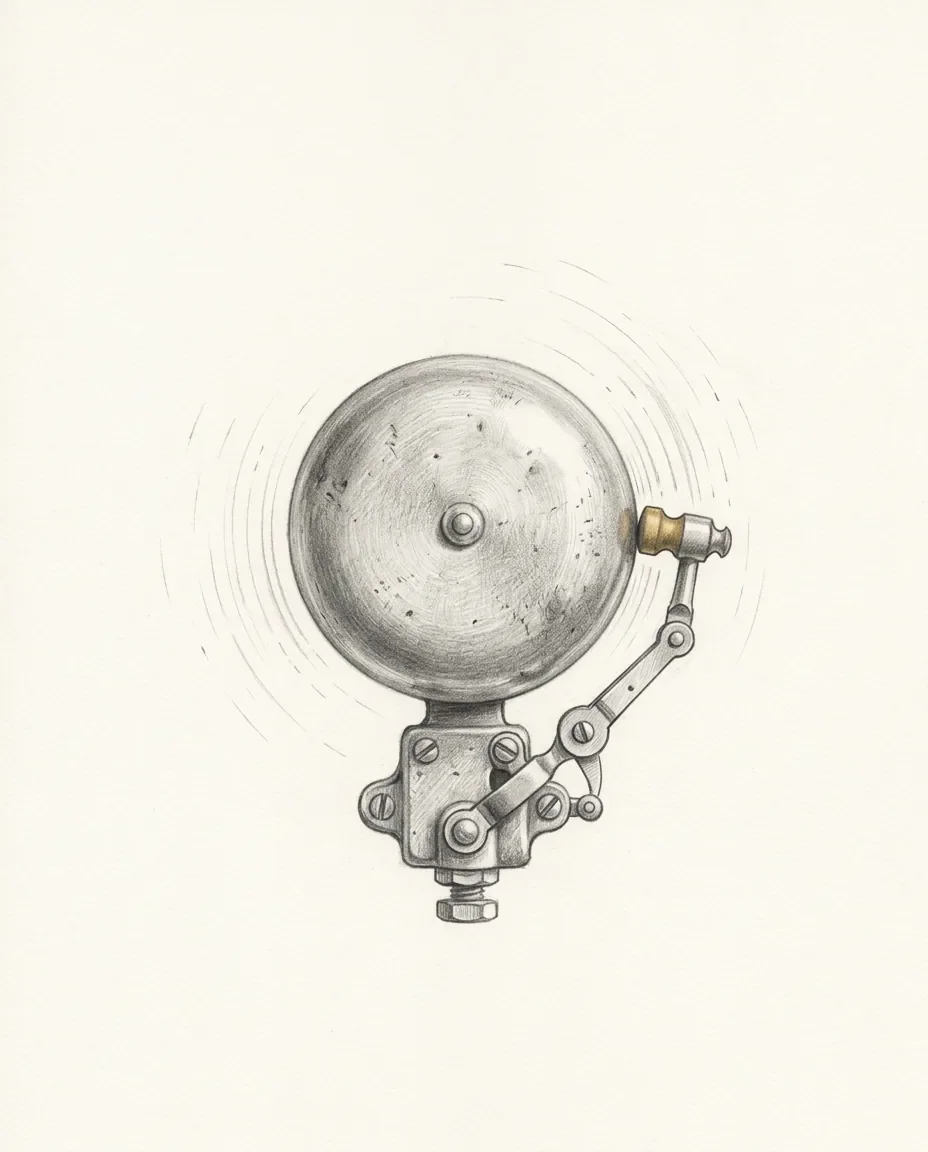
Cacophilia
Cacophilia
Added 11 Jul 2026 · Updated 22 Aug 2026
Cacophilia is a catalogued but poorly documented paraphilic term for sexual arousal tied to loud, harsh, or discordant sounds. It appears in forensic word-lists of paraphilias rather than in mainstream diagnostic manuals, and has essentially no clinical case literature.
- Prevalence
- Very rare
- Category
- Clinical Paraphilias
- Clinical term
- Cacophilia
- Domain
- Sexual interest · Paraphilia
- Confidence
- Low confidence
- Status
- Not recognized in DSM-5-TR or ICD-11; a listed forensic-catalog term with essentially no clinical case literature.
- Also known as
- cacophilia, harsh-sound arousal, discordant-sound fetish, noise arousal
- Added
- 11 Jul 2026
- Updated
- 22 Aug 2026
Overview
Cacophilia (from the Greek kakos, "harsh") is a catalogued paraphilic term for sexual arousal linked to loud, grating, or discordant noise. It survives almost entirely as a dictionary-style line item in comprehensive lists of paraphilias, not as a diagnosis clinicians actually assign. The accurate way to read it is as a terminological curiosity with a tidy etymology and almost no published case material behind it. This article sets out what the label denotes, where it came from, and how little is genuinely known about it.
Definition & scope
As listed, cacophilia describes arousal keyed specifically to unpleasant or jarring sound: noise, dissonance, clangour, generally "cacophonous" audio. The trigger, by construction, is the disagreeable quality of the sound itself rather than speech, praise, a particular voice, or the meaning of what is heard.
It sits at one end of a loose family of sound-linked coinages. Its opposite number is melolagnia, glossed in the Wikipedia list of paraphilias simply as arousal from "music," while the broader term acousticophilia is used for arousal from auditory stimuli in general. Cacophilia is the harsh-sound corner of that space.
Examples
What the term covers. As glossed, arousal keyed to the harsh quality of a sound itself: clangour, dissonance, feedback, industrial or mechanical noise, alarms, the din of a crowd. The trigger is the unpleasantness rather than volume alone, and not the meaning of what is heard. These illustrate a one-line definition rather than any presentation anyone has described: no published account of a person with this focus exists, and it is worth being blunt about that.
What the term does not cover. Audiophilia is a non-sexual devotion to sound reproduction and the equipment behind it, and ASMR is a non-sexual tingling response usually triggered by soft, gentle sounds, which is close to cacophilia's opposite. Sensory overload play uses loud noise deliberately inside a negotiated scene, but there the intensity is a tool of the scene rather than the erotic object, and sensory deprivation removes input instead of amplifying it. Misophonia is a non-sexual condition of strong aversion to specific trigger sounds, the opposite response. Playing loud music during sex is ordinary mood-setting and needs no label, and startle or discomfort at noise is not arousal.
How the word is used. Reference-work register, not clinical. Cacophilia is a dictionary line item: it reaches modern glossaries through Anil Aggrawal's 2008 compilation of 547 paraphilic terms and the Wikipedia list of paraphilias that reproduces the gloss, and it appears in neither DSM-5-TR nor ICD-11. No clinician assigns it, and nobody is on record using it of themselves.
History & origins
The paraphilia concept
The clinical study of atypical sexual interests took shape in the late nineteenth century, above all in Richard von Krafft-Ebing's Psychopathia Sexualis (1886), alongside the sexology of Havelock Ellis and his contemporaries. The umbrella word itself came later: paraphilia was coined by Friedrich Salomon Krauss in 1903, used regularly by Wilhelm Stekel in the 1920s, popularised in English by John Money, and entered the DSM in 1980.
Where the term comes from
Cacophilia has no comparable lineage. There is no landmark paper, no named case, no describing clinician. It is one entry among hundreds in the long catalogues of Greek- and Latin-derived -philia coinages that populate reference works.
The usual trail runs as follows:
- 2008: Anil Aggrawal, in Forensic and Medico-legal Aspects of Sexual Crimes and Unusual Sexual Practices, compiles a list of 547 terms for paraphilic sexual interests, cacophilia among them.
- The caveat: Aggrawal warned in the same book that "not all these paraphilias have necessarily been seen in clinical setups," and that some may be so innocuous they never bring anyone to a clinician.
- Since: the Wikipedia list of paraphilias reproduces the gloss ("loud or unpleasant sounds") and it circulates from there through glossaries and listicles.
Cacophilia belongs squarely to Aggrawal's residual class: named, but not clinically documented.
Is cacophilia a recognised disorder?
No. It appears in neither the DSM-5-TR (2022) nor the ICD-11 (in effect from 2022). Both restrict formal paraphilic disorders to interests that cause the person marked distress or impairment, or that involve harm or non-consenting others. A private interest in harsh sound clears none of those bars, and would not become a disorder even if it turned out to be common. Where a clinician did need to record an unusual interest causing genuine distress, the DSM-5-TR residual category Other Specified Paraphilic Disorder exists for exactly that purpose, with no need for a bespoke Greek name.
Psychology
With no case series to draw on, any mechanism proposed for cacophilia is speculative. Learning-theory accounts of paraphilia in general hold that a neutral stimulus (here, a class of sound) can acquire arousing value through repeated pairing with sexual experience. Individual differences in sensory processing and in sensation-seeking are sometimes invoked for sound-linked interests, since harsh noise is physiologically arousing in the plain autonomic sense before any erotic meaning attaches. None of this has been tested for cacophilia specifically. The honest position is that the evidence is absent rather than merely thin.
Prevalence & culture
There is no prevalence figure worth quoting, and any number attached to the term would be invented rather than measured. The large population surveys of atypical sexual interest, such as Joyal and Carpentier's Quebec study (2017), ask about voyeurism, fetishism, masochism and similar well-attested categories; sound-keyed arousal is not among the items they measure. Cacophilia has no community, no organised presence online, and no media visibility. It appears in glossaries, and that is the extent of its cultural footprint.
Common questions
Is cacophilia a real thing or just a word?
The word is real and catalogued; the interest behind it is undocumented. Cacophilia reached modern glossaries through Anil Aggrawal's 2008 list of 547 paraphilic terms, and Aggrawal cautioned in the same book that not all of them have necessarily been seen in clinical settings. There is no case report, no described patient and no study. That is not proof that nobody is aroused by harsh sound; it means the label has never been tested against observation.
What is the difference between cacophilia and misophonia?
They are opposites in kind. Misophonia is a non-sexual condition in which particular sounds provoke intense irritation, anger or distress, and it is something people seek help for. Cacophilia, as listed, names arousal from harsh or discordant sound, and nobody has described it clinically at all. Sharing an auditory trigger does not make two responses related when one is an aversion and the other an attraction.
Does liking loud music during sex mean I have cacophilia?
No. Using music, noise or ambient sound as an accompaniment to sex is commonplace and needs no diagnostic-sounding label. The term as glossed points at arousal keyed to the disagreeable quality of a sound in its own right, with the dissonance or clangour itself acting as the erotic focus rather than as a soundtrack, a mood-setter or a way of covering a thin wall.
What is the opposite of cacophilia?
Within the same word-list, melolagnia, glossed simply as arousal from music. The broader label for arousal tied to auditory stimuli in general is acousticophilia, which covers voices, music and noise alike; cacophilia is the harsh-sound corner of that space. All three share the same problem: a tidy definition, a Greek root, and no body of observed cases behind them.
How common is cacophilia?
Nobody knows, and any percentage attached to it would be invented rather than measured. The large general-population surveys of atypical sexual interest, such as Joyal and Carpentier's Quebec study, ask about voyeurism, fetishism, masochism and other well-attested categories; sound-keyed arousal is not among the items they measure. The term also has no community and no media footprint, so even the indirect signals that let other rare interests be estimated are missing.
Are there any risks to noise-linked arousal?
Nothing that comes from the interest itself, which involves no partner, no substance and no act. The one real caution is ordinary and physical: sustained exposure to very loud sound damages hearing, whatever the reason for the exposure. Where harsh noise is used deliberately with a partner, the considerations are those of sensory overload play: negotiated limits, a reliable way to stop, and attention to how the person receiving it is doing.
From the blog
- Audiophilia39/100Non-Sexual FetishismA non-sexual devotion to high-fidelity sound reproduction and the equipment behind it: amplifiers, speakers, turntables, headphones, and cables. It is a hobby and connoisseurship interest, not a clinical condition or sexual paraphilia.39
- ASMR69/100Autonomous Sensory Meridian Response · Non-Sexual FetishismA non-sexual, pleasant tingling sensation that typically begins on the scalp and moves down the neck and spine. Soft sounds, gentle attention, or close personal care trigger it. It underpins a large online relaxation-media subculture.69
- Sensory Overload Play29/100Sensation & PainA consensual sensation-play practice of deliberately flooding the senses with intense, layered, or competing input. Overlapping touch, temperature, sound, and light produce an overwhelming, disorienting state. It is the mirror image of sensory deprivation.29
- Cenophilia2/100Cenophilia · Clinical ParaphiliasCenophilia (also spelled kenophilia) is a catalogued but poorly documented paraphilic term for sexual arousal tied to empty spaces, voids, or open emptiness. It appears in forensic word-lists of paraphilias rather than in mainstream diagnostic manuals, and has essentially no clinical case literature.2
- Autassassinophilia4/100Autassassinophilia · Clinical ParaphiliasAutassassinophilia is a very rare paraphilia in which sexual arousal is tied to the fantasy, staging, or genuine risk of being killed. Sexologist John Money named it in 1986. Almost always confined to fantasy, it is documented here strictly as a clinical category with serious safety framing.4
- Autovampirism4/100autovampirism · Clinical ParaphiliasAutovampirism (clinically, autohemophagia) is the rare, sparsely documented practice of deliberately drinking one's own blood. In a minority of accounts it is done for sexual or emotional gratification. It is documented here strictly as a taxonomic and psychiatric category, not as anything to attempt.4
From Ancient Greek κακός (kakós) "bad, harsh, unpleasant" plus -φιλία (-philia) "love of," literally "love of the harsh." The same kakos root gives English cacophony. The specific paraphilic coinage is not well documented: it appears in twentieth- and twenty-first-century catalogues of paraphilias rather than in any datable original source, and no describing clinician is recorded.
auditory paraphilias · listed paraphilias · sensory arousal
Prevalence is computed from the entry's cited population estimate. Rows marked ESTare indicative editorial estimates scored against a fixed anchor rubric, not measured quantities. Method & anchors: methodology.
Very rare · fewer than 1 in 10,000
- 01List of paraphilias, Wikipediacacophilia glossed as 'loud or unpleasant sounds' and melolagnia as 'music'; sourced to Aggrawal's 2008 compilation of 547 paraphilic terms, with his caution that 'not all these paraphilias have necessarily been seen in clinical setups'
- 02Paraphilia, Wikipediahistory of the paraphilia concept (Krauss coined the term in 1903, Stekel in the 1920s, Money's popularisation, DSM entry in 1980) and the distinction between a paraphilia and a paraphilic disorder
- 03Psychopathia Sexualis (Richard von Krafft-Ebing, 1886), Wikipediathe late nineteenth-century origin of the clinical literature on atypical sexual interests
- 04DSM-5-TR, Paraphilic Disorders (American Psychiatric Association, 2022)cacophilia is not a DSM diagnosis; the paraphilia versus paraphilic-disorder threshold and the residual 'Other Specified Paraphilic Disorder' category
- 05ICD-11 for Mortality and Morbidity Statistics (World Health Organization)cacophilia is not an ICD-11 category; ICD-11 paraphilic disorders require harm, non-consent, or marked distress
- 06Joyal & Carpentier (2017), The Prevalence of Paraphilic Interests and Behaviors in the General Population, Journal of Sex Researchthe large general-population survey of paraphilic interests measures categories such as voyeurism, fetishism and masochism; sound-keyed arousal is not among the interests measured, so no prevalence figure exists for cacophilia
- 07Misophonia, Wikipediamisophonia as a non-sexual condition of strong aversion to specific sounds, distinguished from cacophilia
- 08caco-, Wiktionaryetymology of the caco-/kako- prefix from Ancient Greek kakós 'bad, harsh', the same root as cacophony