Erotic focus on a specific body part rather than the whole person, the partialisms.
Interests in which arousal is organized around a particular part of the body (feet, hands, hair, the mouth, the torso) rather than the person as a whole. Clinically described as partialism, this is one of the most studied and most common categories of human sexual interest.
42 entries
CompositionSexualsingle domain
Entries428.6% of the catalog
Mean index37.6 /100catalog 39.2
Subcategories2424 facets
Entries by index
hover a dot · click to open
050100
Partialism is sexual interest concentrated on a specific region of the body. It spans the well-documented (feet, the most common partialism in survey data) through the face, hair, hands, legs, and torso, to narrower fixations on features such as the navel, ears, or teeth.
Most partialisms are common variations rather than disorders. They become a clinical concern only in the rare cases where the focus is exclusive and causes distress or impairment; the great majority of people who report them integrate them comfortably into ordinary intimacy.
Ultra-common0
Very common3
Common16
Uncommon14
Rare8
Very rare1
Ultra-common0
Very common3
Common16
Uncommon14
Rare8
Very rare1
Entries
Filter and sort within Body Parts & Partialism, or switch categories from the control below.
What is the difference between a fetish and a partialism?
A fetish, in the older clinical sense, is arousal organised around an inanimate object or material; a partialism is arousal organised around a part of a living body. Foot fetish is really a partialism despite the common name, while an interest in shoes is a fetish proper. Everyday usage collapses the two, and this catalog keeps the distinction because it separates a person from a thing.
Does a partialism mean someone is only attracted to that body part?
Rarely. For most people the focus intensifies attraction that is otherwise ordinary and directed at a whole partner, which is why interests such as nipple play or a hand fetish sit comfortably inside conventional intimacy. Exclusive focus, where the partner is interchangeable and only the part matters, is the uncommon end of the range rather than the typical case.
When does an interest in a body part become a clinical concern?
At the same threshold applied to every interest in this catalog: persistent distress, impairment of work or relationships, or the involvement of someone who has not consented. Frequency and intensity are not diagnostic on their own. A person who finds legs or hair compelling and has a satisfying sex life has nothing to treat.
Why are feet so much more often the focus than other body parts?
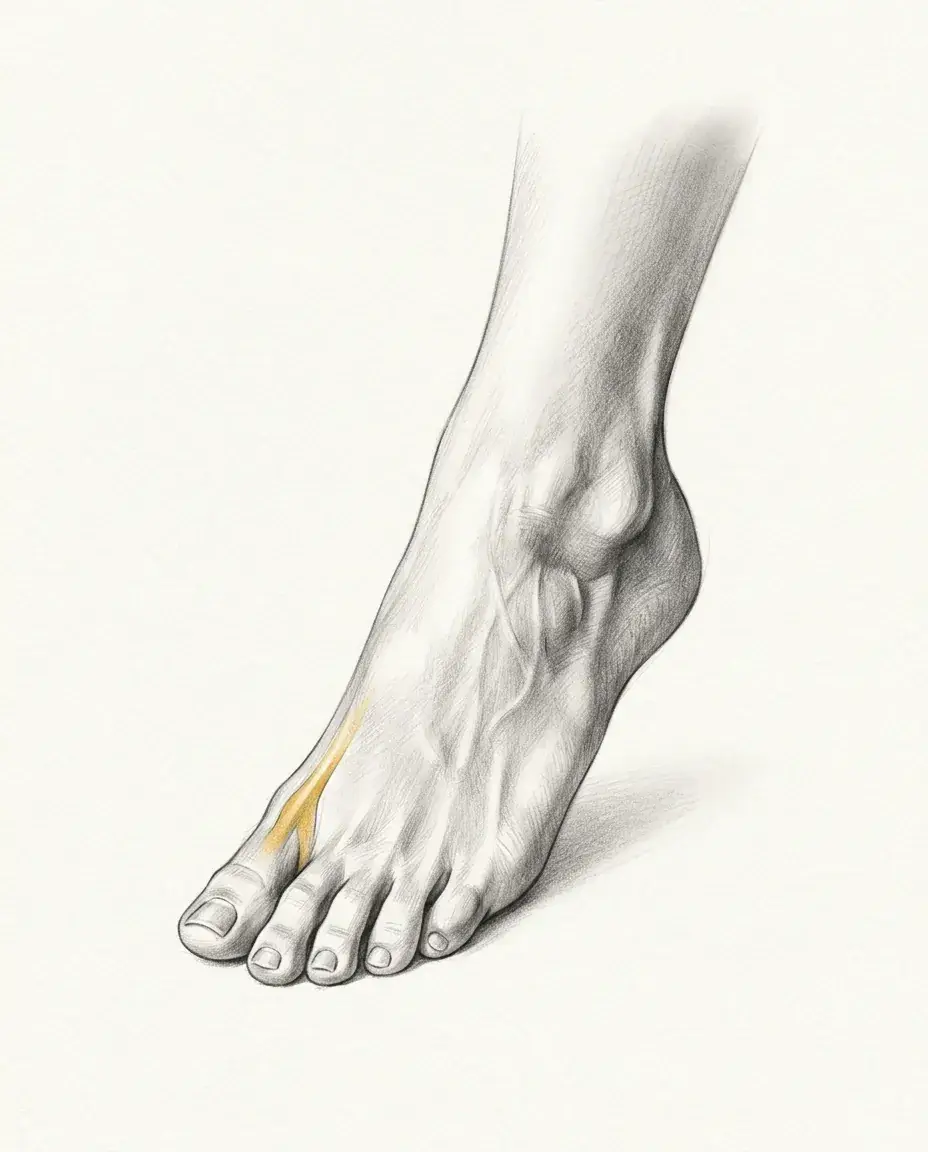
Feet are the most common partialism in survey data, and no explanation is settled. Associative learning holds that a body part repeatedly present during arousal becomes arousing itself. A neurological conjecture points to foot and genital regions sitting close together on the brain's sensory map, an idea that remains contested. Cultural eroticisation of feet predates both, and the interest fans out into narrower forms such as soles, arches and bare feet.
How do people raise a body-part interest with a partner?
Usually by naming it plainly and early, before a partner has to guess why attention keeps returning to one place. Most partialisms need no equipment and little negotiation: attention to hands, the neck or the back reads as ordinary affection once a partner knows what it means. Interests keyed to permanent features, such as tattoos and piercings (stigmatophilia), warrant a longer conversation.
 83
83 68
68 62
62 61
61 59
59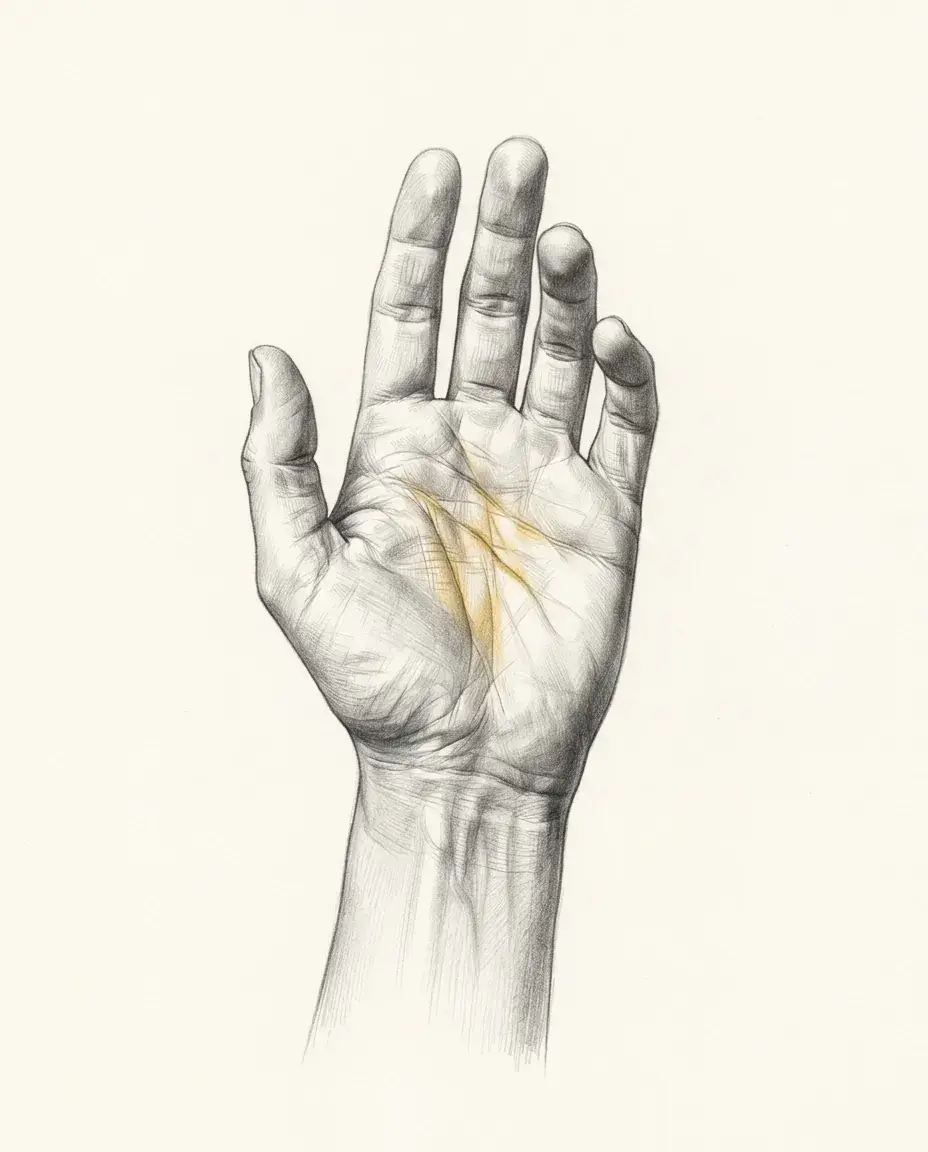 58
58 57
57 56
56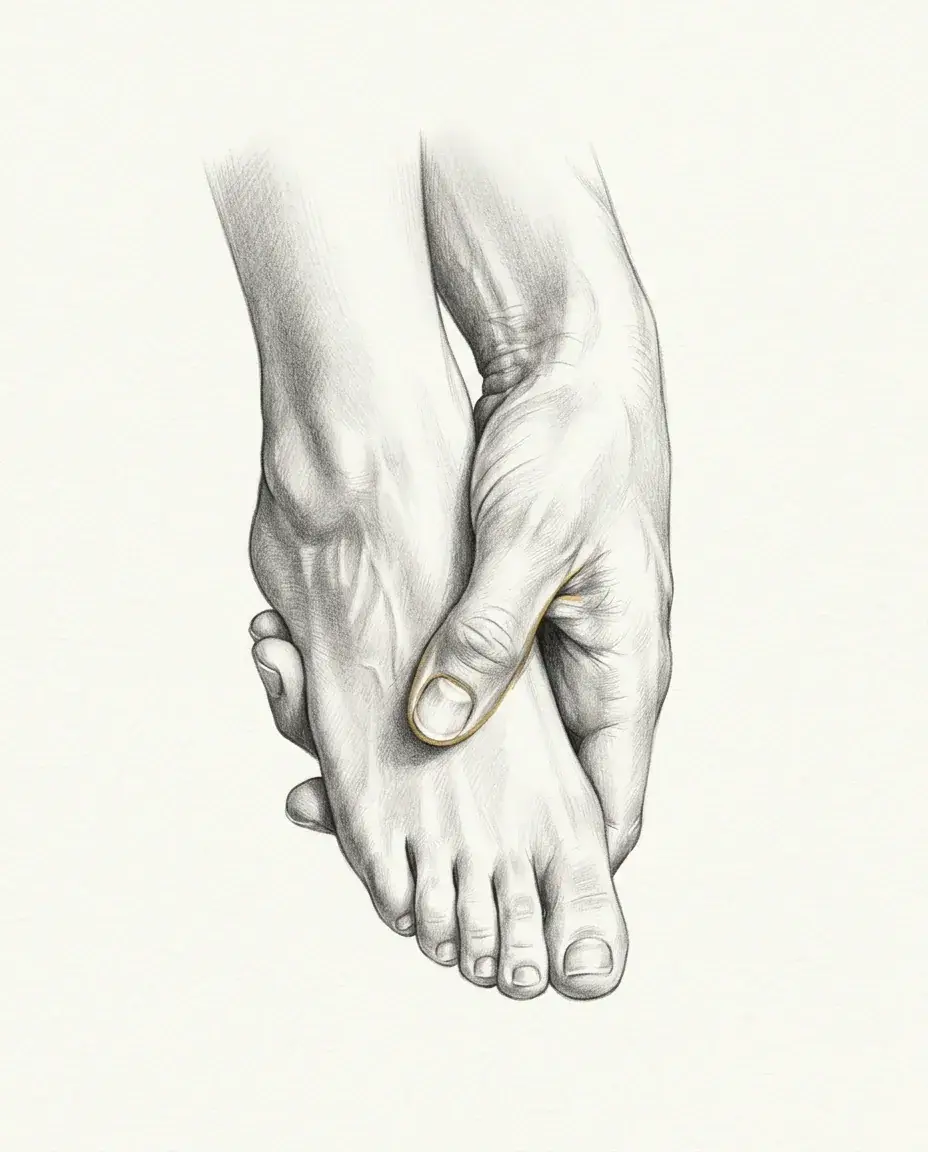 55
55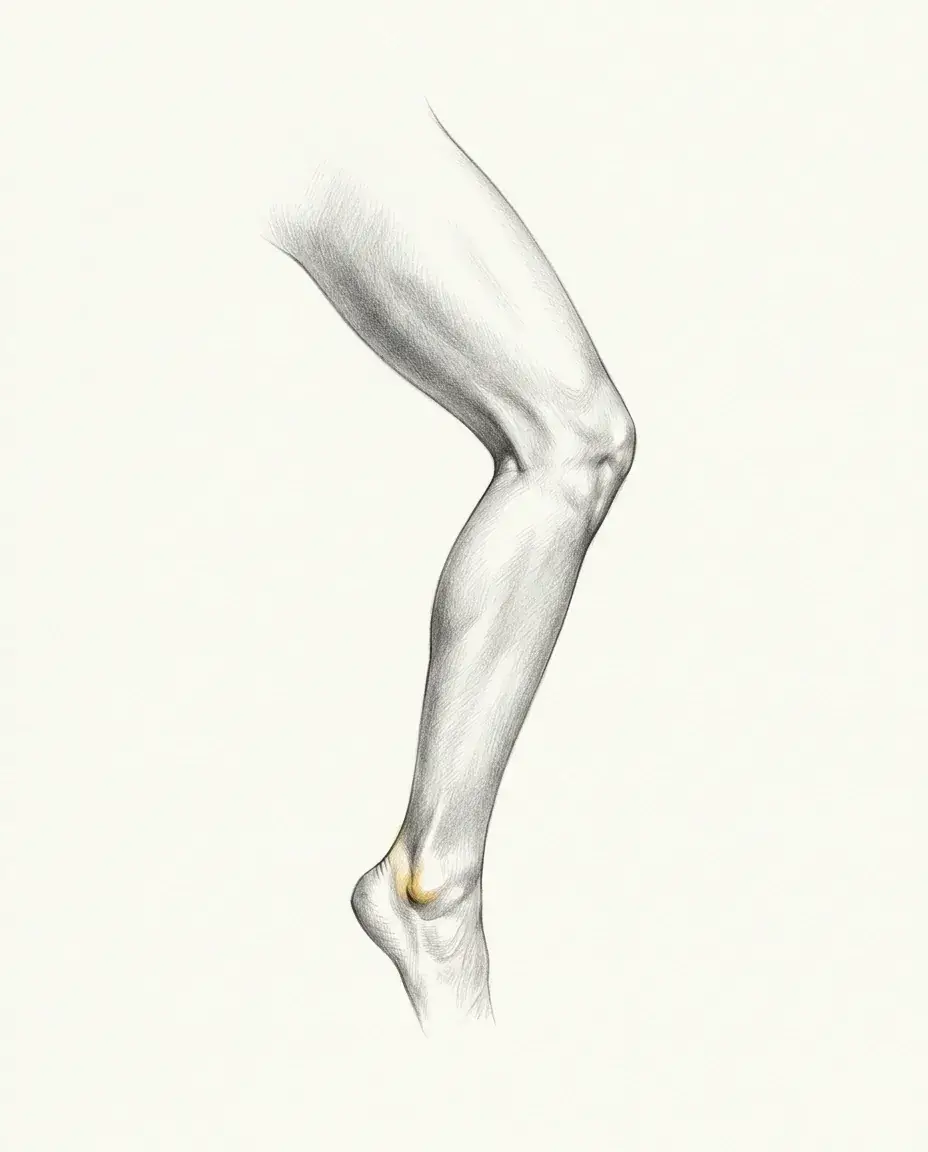 53
53 53
53 52
52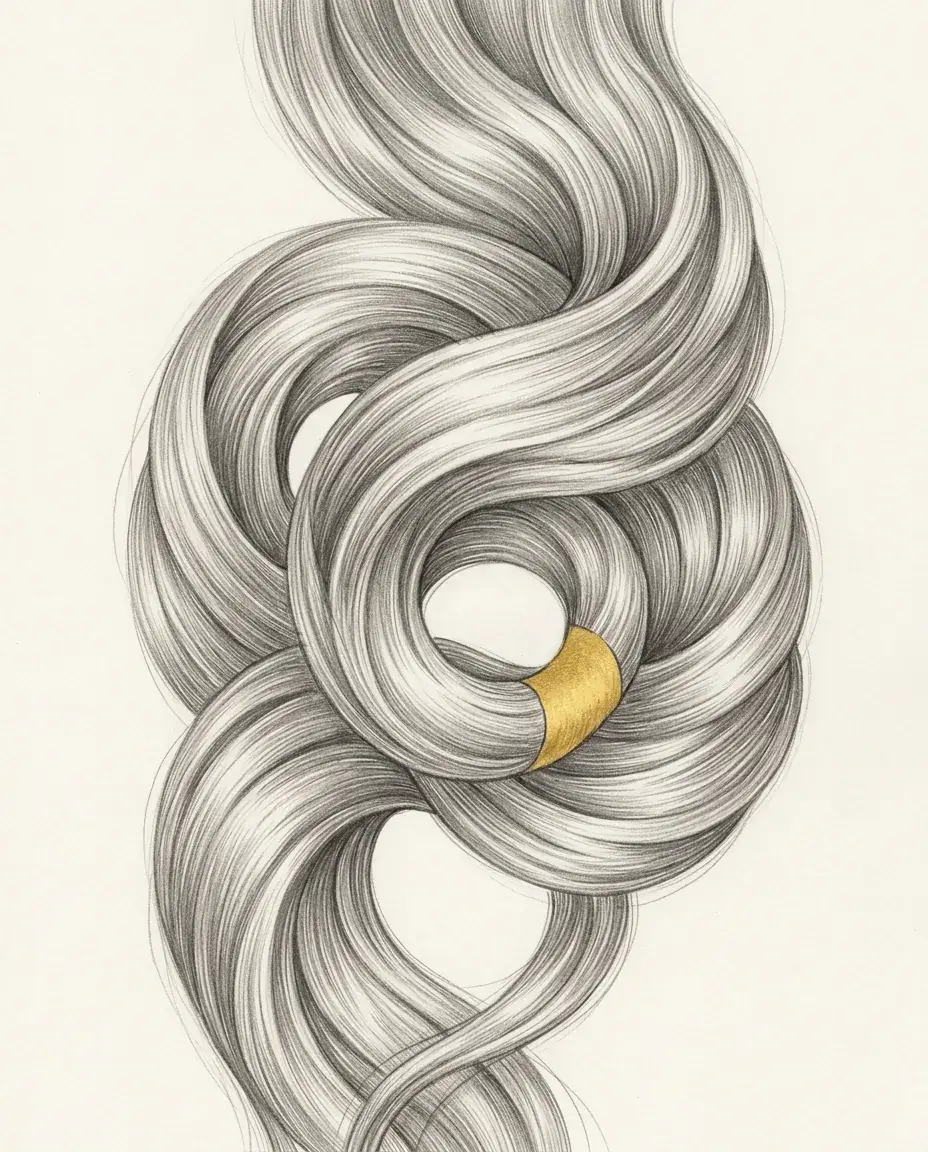 52
52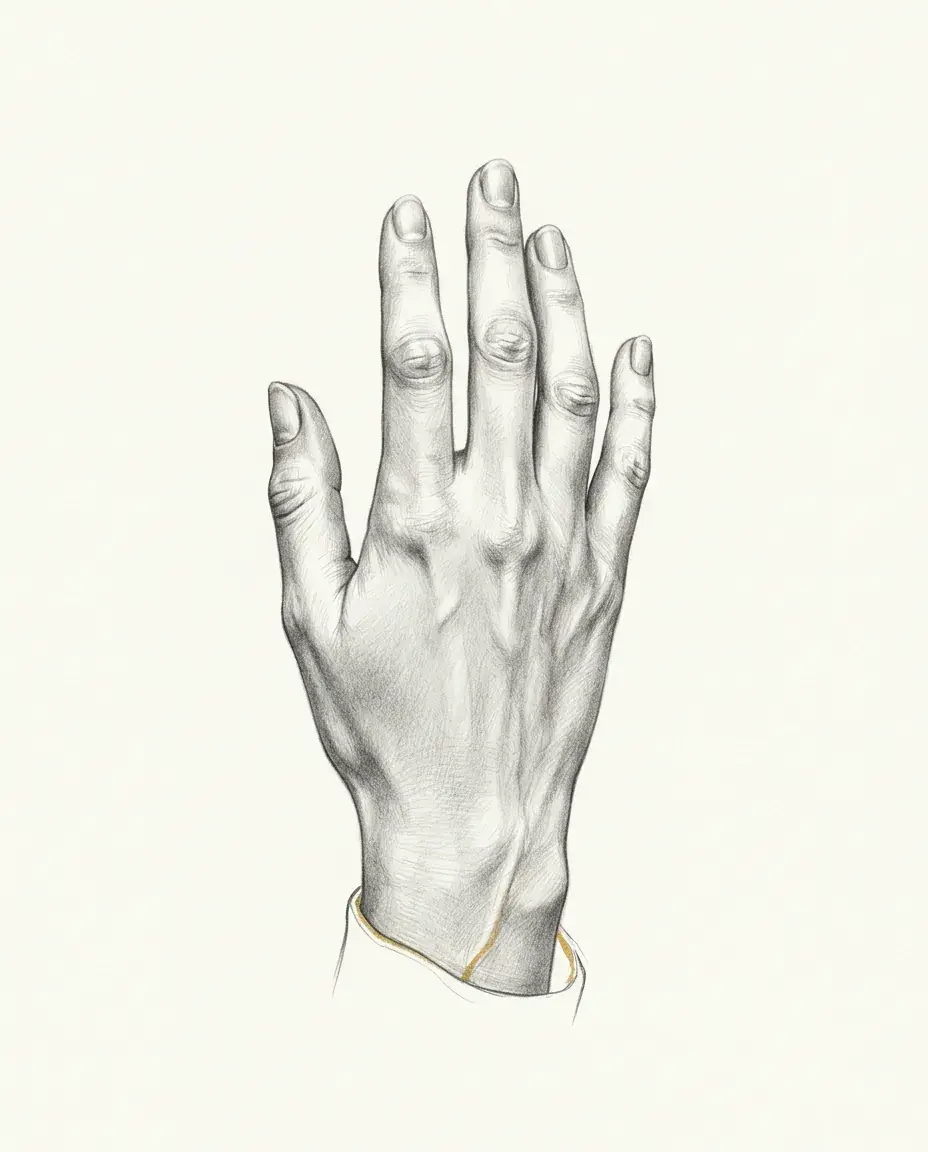 48
48 47
47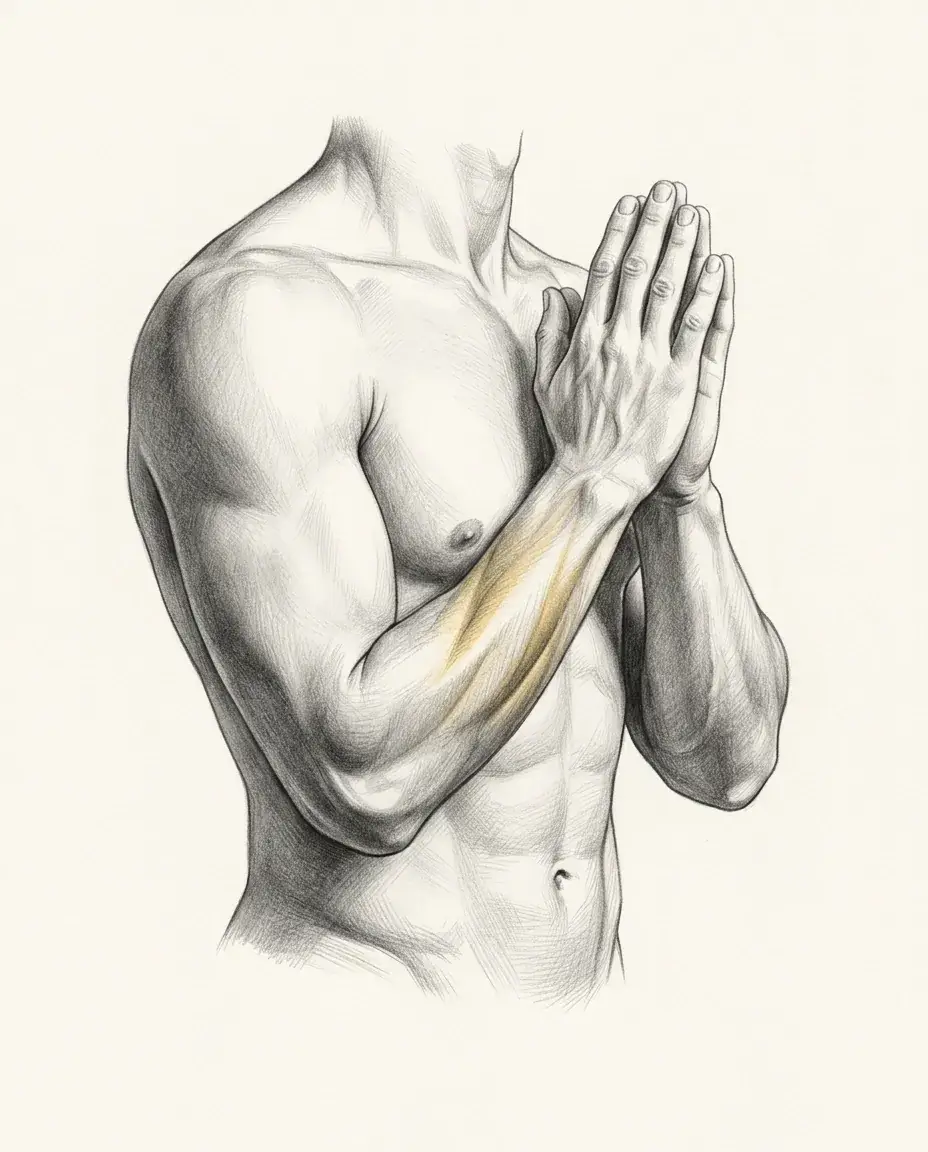 45
45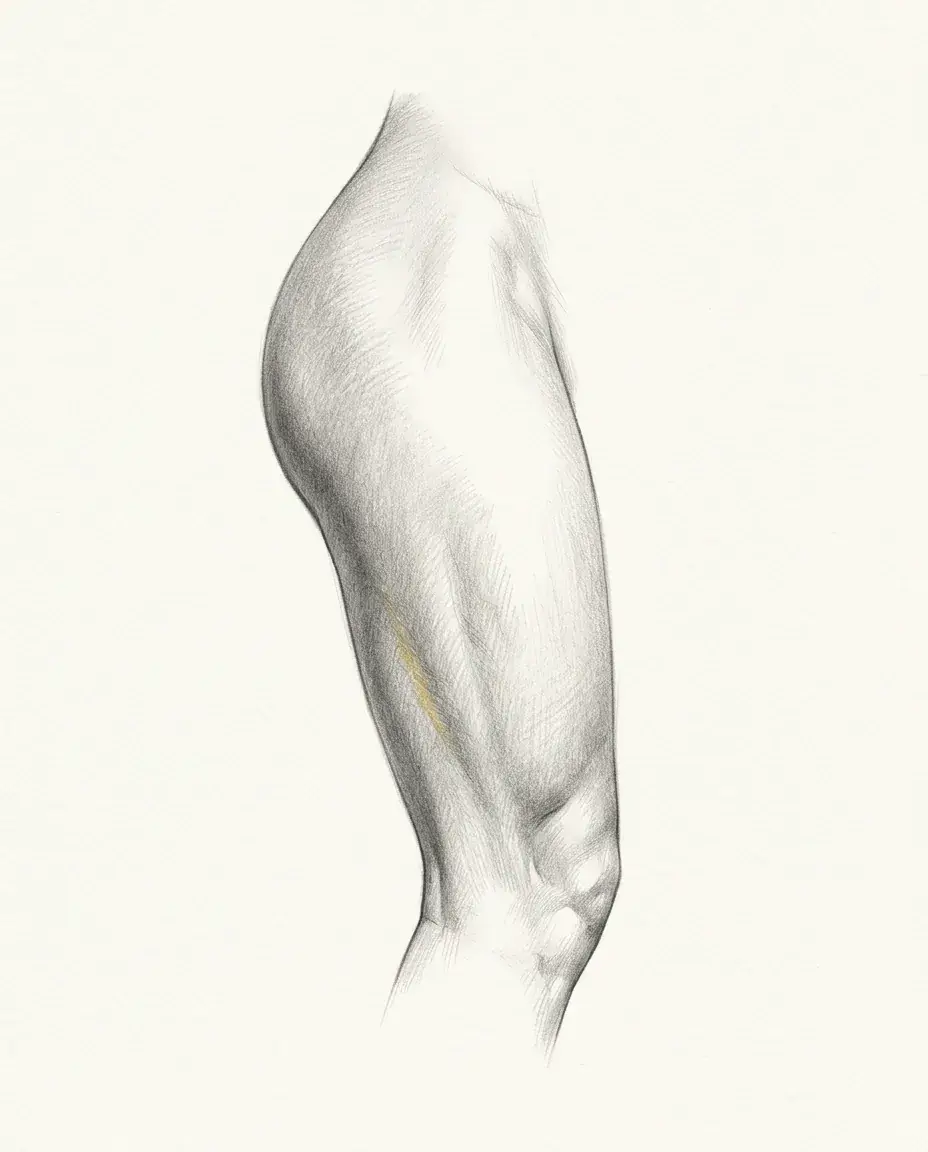 43
43 43
43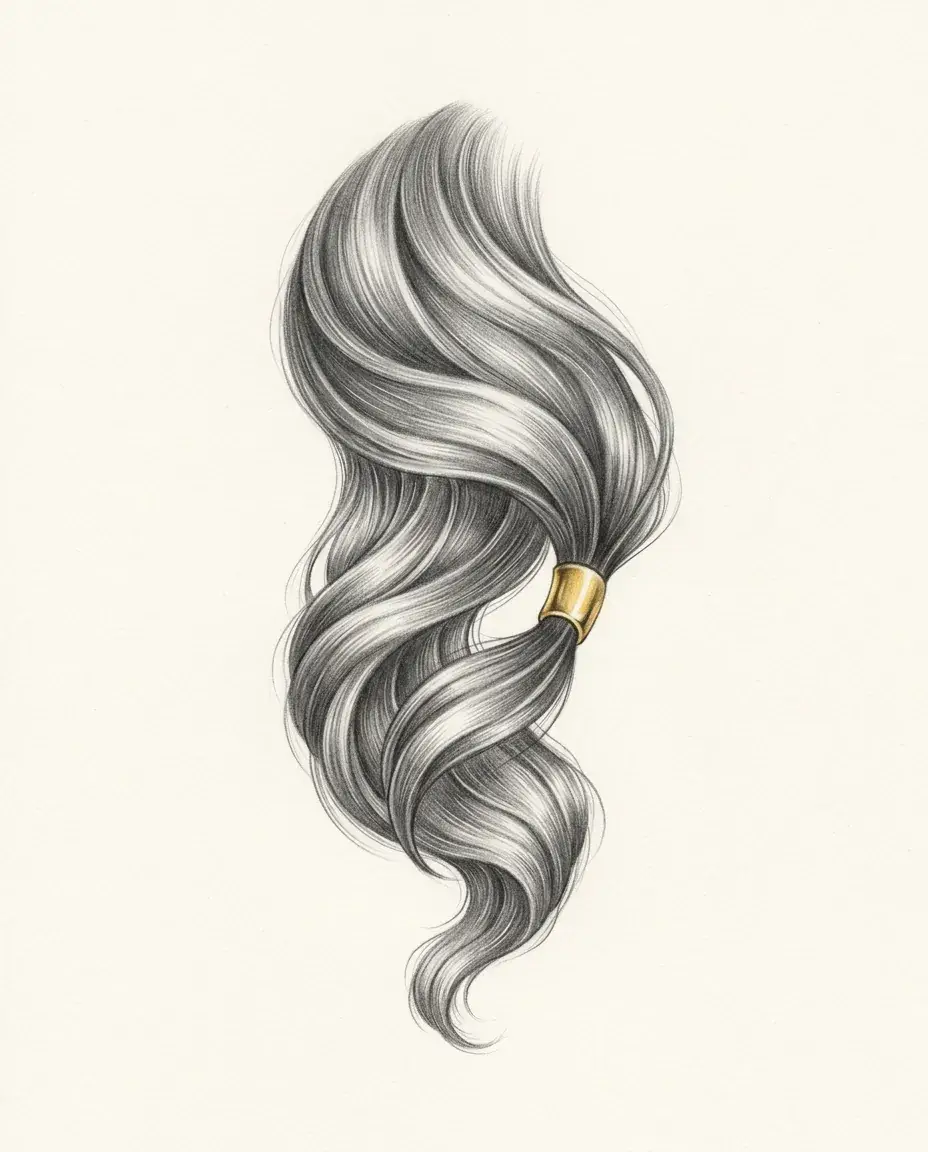 43
43 39
39 35
35 34
34 32
32 32
32