Interests recognised in the clinical literature, including those that cannot be acted on consensually.
Interests named in the clinical literature: DSM-5-TR and ICD-11 paraphilic disorders and related conditions. This category includes the harmful and illegal ones, documented strictly for clinical reference and reader awareness, never as encouragement.
43 entries
CompositionSexualsingle domain
Entries438.8% of the catalog
Mean index18.9 /100catalog 39.2
Subcategories2424 facets
Entries by index
hover a dot · click to open
050100
This category gathers interests defined primarily by their clinical status rather than by a material, role, or act. It includes the named paraphilic disorders and a range of other specified paraphilias, from comparatively benign devotee interests to those that are inherently non-consensual or illegal.
A paraphilia is an atypical interest; it is a disorder only when it causes distress or impairment, or is acted on against a non-consenting person. The entries that involve minors, animals, the deceased, or coercion are presented exactly as a clinical or encyclopedic reference would: defined, framed by harm and law, and carrying no instructional detail.
Ultra-common2
Very common1
Common3
Uncommon4
Rare11
Very rare22
Ultra-common2
Very common1
Common3
Uncommon4
Rare11
Very rare22
Entries
Filter and sort within Clinical Paraphilias, or switch categories from the control below.
Not on its own. Current diagnostic manuals treat an atypical interest as a paraphilia and reserve the word disorder for cases where it causes the person marked distress or impairment, or is acted on with someone who cannot consent. Masochism and fetishism illustrate the gap: widely held, rarely diagnosed, and clinical only once that threshold is crossed.
What is the difference between a kink and a paraphilia?
Register, mostly. Kink is a community word for an interest outside the conventional; paraphilia is the clinical word for the same territory, used in psychiatry and forensic work. Neither term settles the question of harm by itself, which is why this category holds practices that can be enacted between consenting adults alongside a smaller set that cannot be enacted at all.
Are people with paraphilias dangerous?
Most are not, and the category is far too broad for one answer. It spans interests practised between consenting adults, such as sadism and masochism, interests fixed on objects or body types, and a smaller group that cannot be acted on without a victim, including pedophilia, biastophilia and necrophilia. Risk follows the specific interest and the person's conduct.
Can someone have a paraphilia and never act on it?
Yes, and the distinction carries most weight where acting would cause harm. Attraction and behaviour are separate things: pedophilia names a pattern of attraction, while child sexual abuse names an offence, and several countries run clinical services for people seeking help before any offence occurs. Describing an interest is not the same as describing a crime.
Do the DSM and the ICD list the same paraphilias?
They diverge. ICD-11 narrowed its paraphilic disorders towards patterns that involve non-consenting people or serious distress, dropping several diagnoses that had covered consensual practice. DSM-5-TR keeps a longer list, including fetishistic and transvestic disorder. An interest listed in one manual and absent from the other usually reflects that shift rather than any change in the behaviour itself.
Can a paraphilia be treated?
Treatment targets distress, compulsivity or risk of offending rather than the interest itself, since patterns of attraction are not reliably changed. Approaches described in the clinical literature include psychotherapy, relapse-prevention work, and, in high-risk cases, medication that lowers sex drive. Where an interest is consensual and untroubling, most clinicians consider there to be nothing to treat.
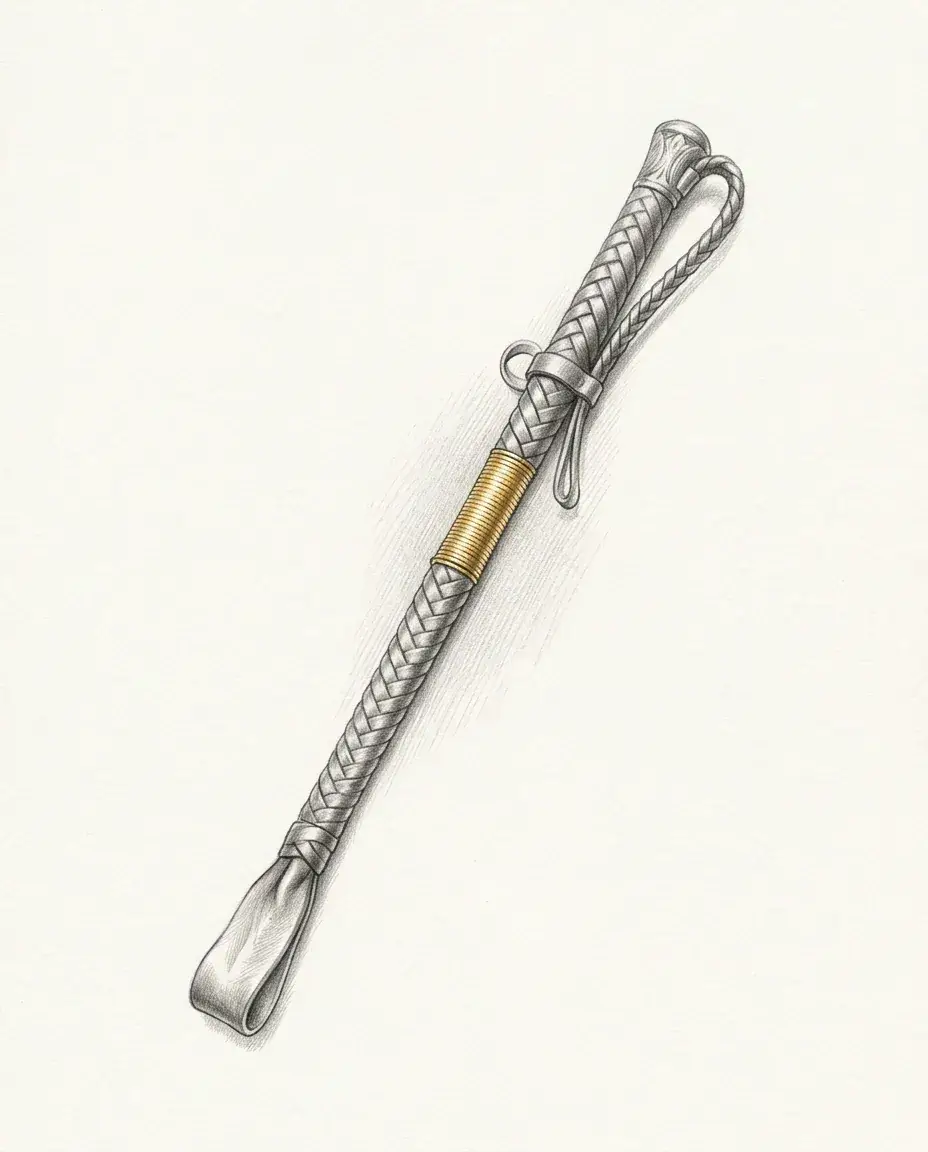 69
69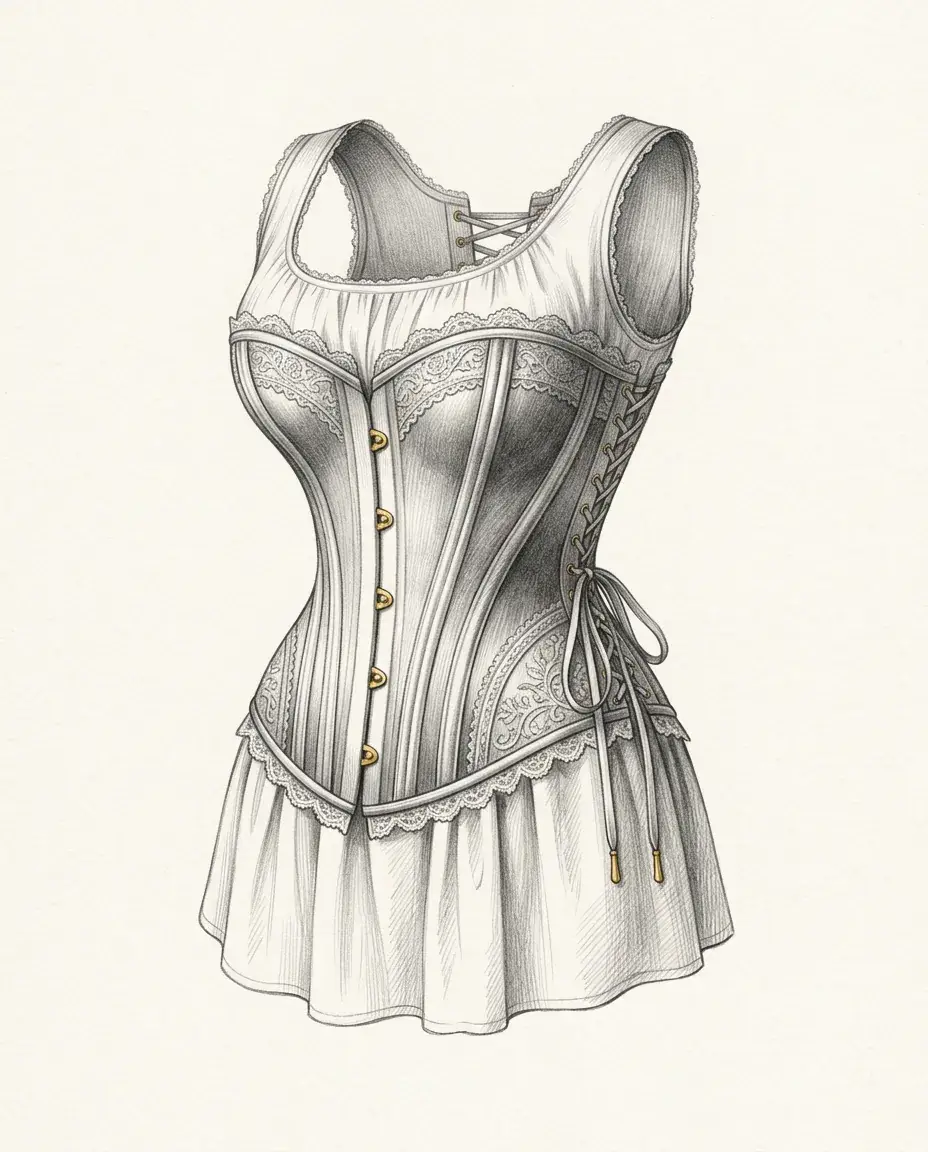 64
64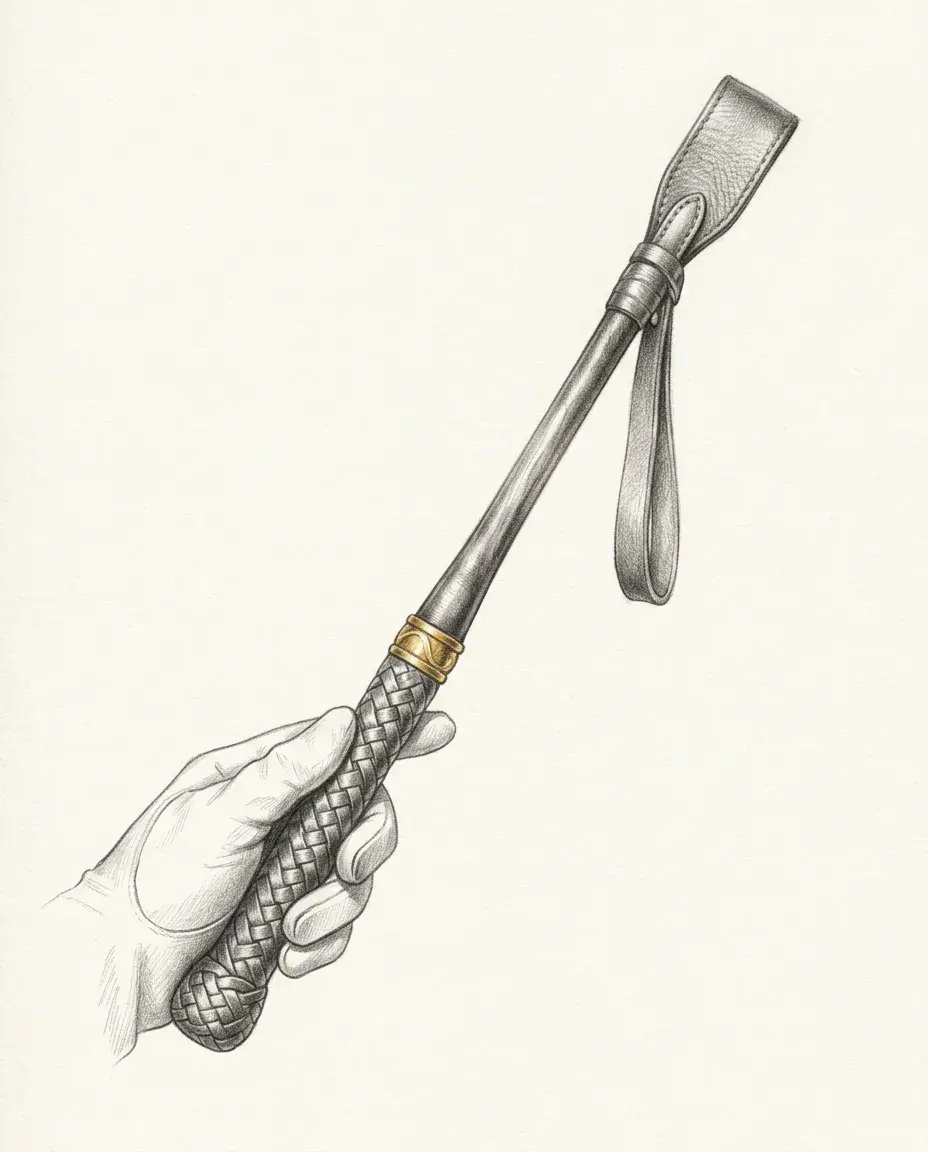 59
59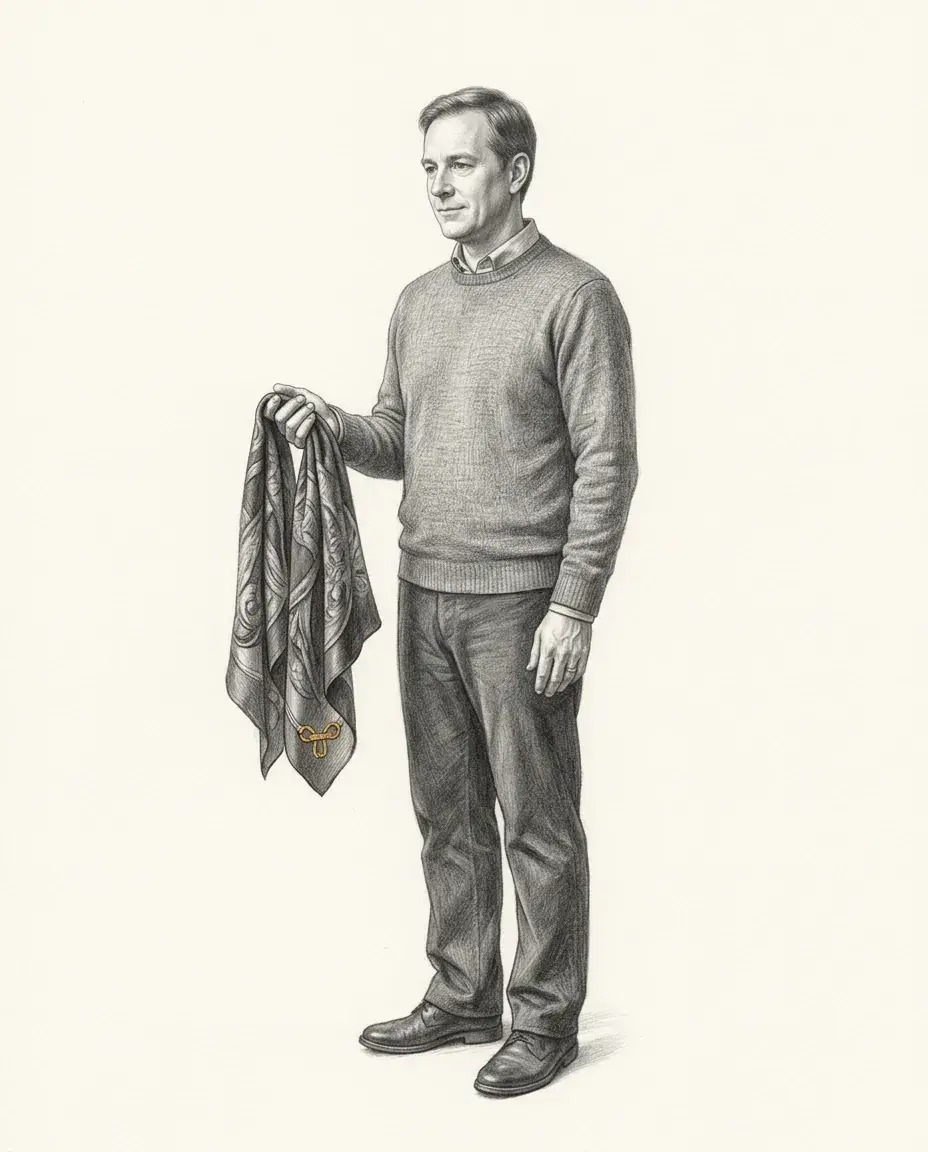 50
50 46
46 31
31 30
30 29
29 29
29 28
28 27
27 27
27 27
27 26
26 23
23 22
22 21
21 17
17 16
16 16
16 13
13 12
12 12
12 11
11