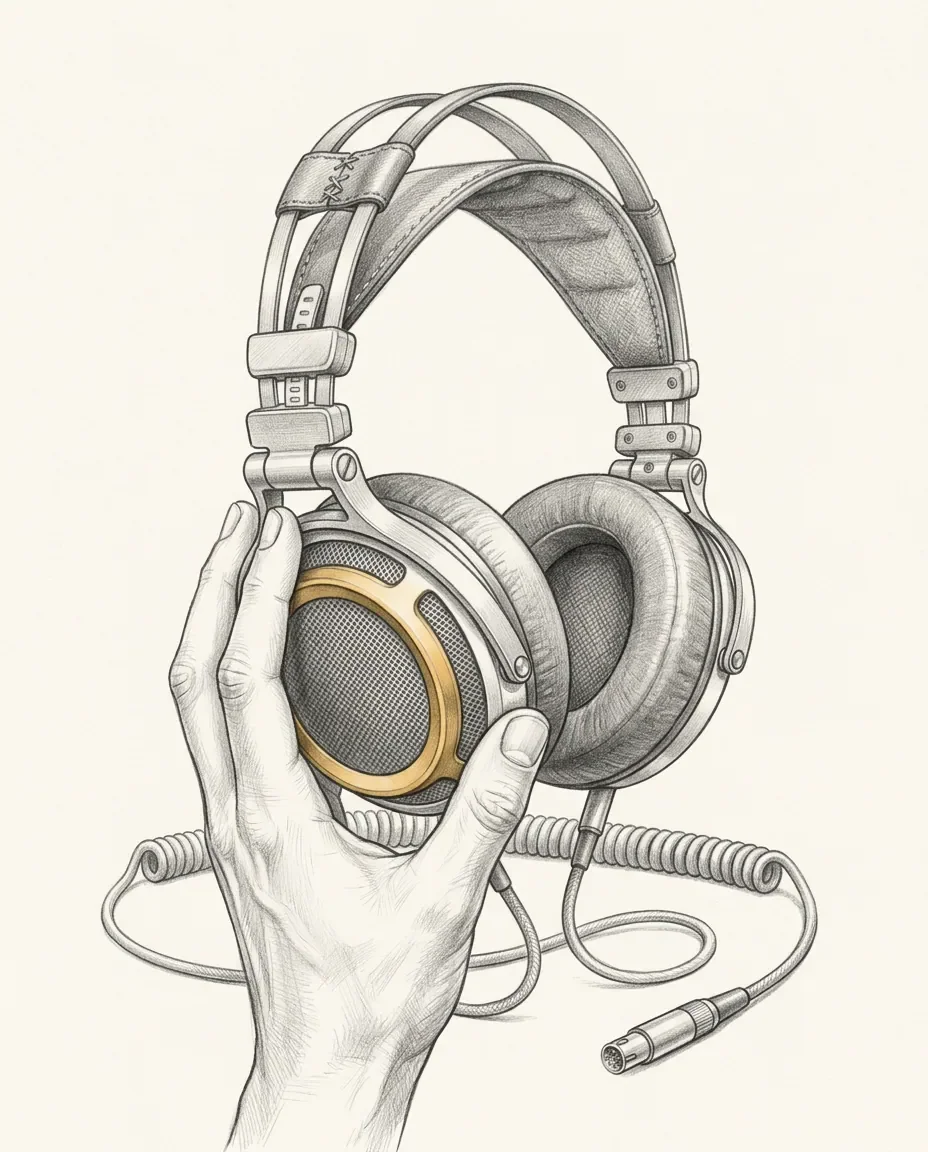
Audiophilia
Added 21 Jun 2026 · Updated 22 Aug 2026
A non-sexual devotion to high-fidelity sound reproduction and the equipment behind it: amplifiers, speakers, turntables, headphones, and cables. It is a hobby and connoisseurship interest, not a clinical condition or sexual paraphilia.
- Prevalence
- Common
- Category
- Non-Sexual Fetishism
- Domain
- Non-sexual interest
- Confidence
- Medium confidence
- Status
- Not a clinical condition; a non-sexual hobby and connoisseurship interest.
- Also known as
- audiophile fixation, hi-fi obsession, audio gear fetish, audiophile, hi-fi gear devotion
- Added
- 21 Jun 2026
- Updated
- 22 Aug 2026
Featured in
Overview
Audiophilia describes an intense, non-sexual preoccupation with the quality of recorded-sound reproduction and the equipment that produces it. Enthusiasts chase accuracy, detail, dynamics, and emotional engagement in playback, lavishing attention on amplifiers, digital-to-analogue converters, turntables, loudspeakers, headphones, cabling, and room acoustics. Here the word fetish is used in its colloquial sense of avid enthusiasm: audiophilia is a hobby and a form of connoisseurship, not a sexual paraphilia or a clinical disorder. This article traces the term and its technology, how the hobby is practised, its psychology, and the famously heated debates that animate its community.
Examples
What the term covers. Assembling a system component by component and then listening critically to a handful of familiar reference recordings; treating a room with absorption and diffusion so that its own acoustics stop colouring what comes out of the speakers; comparing amplifiers, converters or cartridges by ear, by measurement, or both; setting a turntable to a fraction of a gram of tracking force; chasing headphones and the amplifiers that drive them; and arguing about all of it at audio shows, in forums and on video channels. The common thread is that the reproduction is the object of attention, not simply the music it carries.
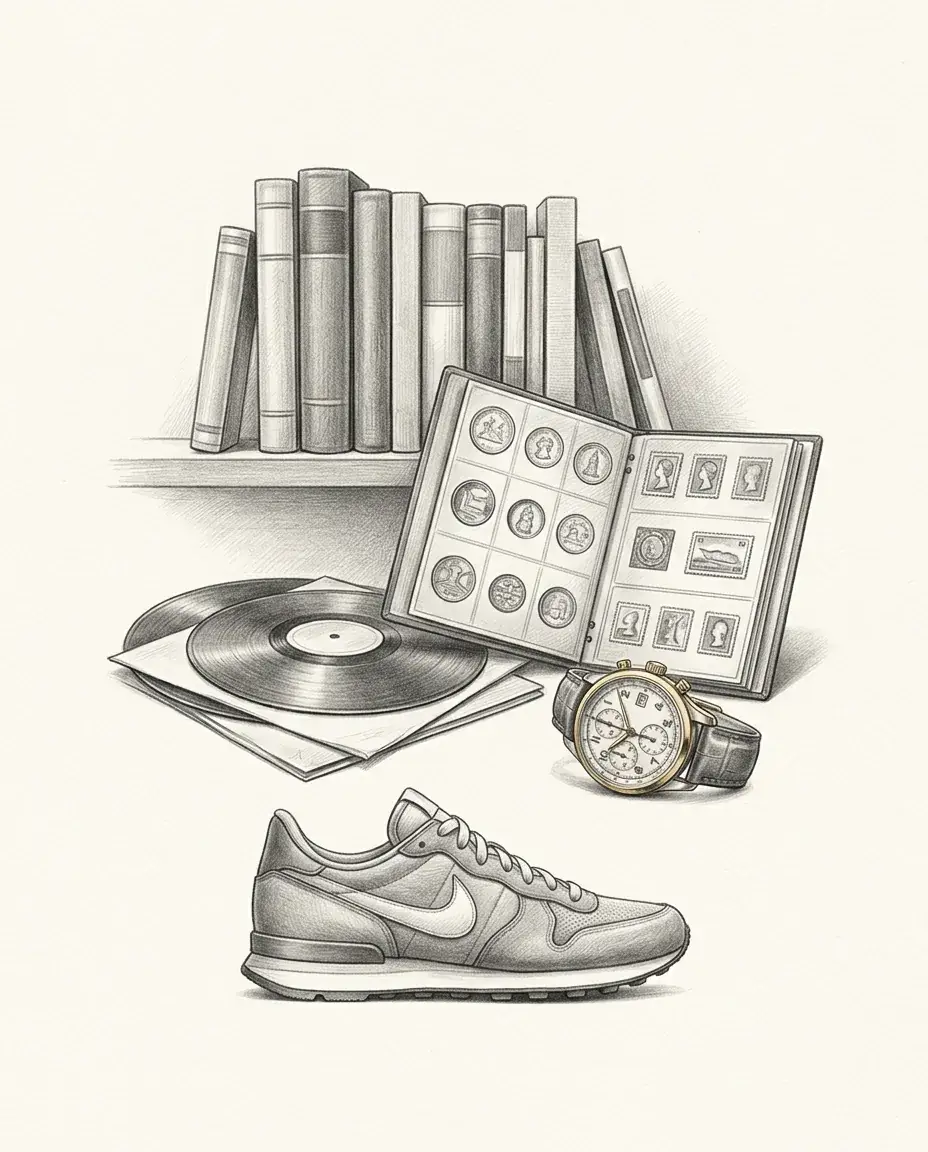
What the term does not cover. Loving music intensely is not audiophilia; the distinguishing move is caring how faithfully it is reproduced. Vinyl record collecting and collecting generally prize the artefact and the completed set, where an audiophile may own comparatively few records and play them on an elaborate system. Tech enthusiasm is about gadgetry at large, and brand worship about the label rather than the sound. Nor is it a perceptual trait: ASMR and frisson name involuntary bodily responses to sound, and misophonia an intolerance of particular sounds, none of which have anything to do with fidelity.
How the word is used. "Audiophile" is enthusiast vocabulary, worn proudly by the people it describes and used with a sceptical edge by everyone else, as in audiophile cable. The -phile ending is the ordinary one of bibliophile and carries no erotic sense whatever; where lay guides file audiophilia among "fetishes" they are using that word loosely too. It names no clinical condition and appears in no diagnostic manual, which is why this entry rests on consumer, dictionary and press history rather than on medical literature.
History & origins
The history of audiophilia is one of consumer technology and subculture rather than psychiatry; because it is not a medical category, it has no clinical literature.
The word
- The noun audiophile is a hybrid coinage joining Latin audīre ("to hear") with the Greek combining form -phile ("lover of"). According to the Oxford English Dictionary, its earliest attested use is from 1951, in the American magazine High Fidelity, founded that same year by the audio designer Milton B. Sleeper. The word therefore enters English right at the start of the post-war boom in home audio.
The hi-fi era
- 1948: Columbia Records introduced the 12-inch microgroove long-playing (LP) record at a press event in New York on 21 June, vastly extending playing time and quieting surface noise, a foundational moment for serious home listening.
- Late 1940s–1950s: Improvements in amplification, magnetic tape, and loudspeaker design made domestic reproduction dramatically more lifelike, giving rise to the "hi-fi" hobby of critical listening, component matching, and dealer showrooms.
- 1957–1958: Two-channel stereophonic records reached consumers, again transforming what a good system could convey.
- 1982: The compact disc brought near-silent, durable digital playback, splitting enthusiasts into analogue and digital camps.
- 2000s–present: High-resolution digital files, streaming, and a sustained vinyl revival each reshaped what audiophiles pursue and argue about.
The press and the great debate
Specialist magazines codified the hobby's vocabulary and its central controversy.
- 1962: J. Gordon Holt founded Stereophile, championing subjective listening reviews over bench measurements alone.
- 1973: Harry Pearson launched The Absolute Sound, coining the ideal of "the absolute sound" of live, unamplified music as the reference standard for high-end audio.
- These outlets fuelled the lasting subjectivist vs. objectivist debate: whether perceptible differences between, say, expensive cables exist beyond what controlled, double-blind (ABX) testing can detect. Famously, the James Randi Educational Foundation offered its $1 million prize to anyone who could reliably distinguish costly cables from ordinary ones; reviewer Michael Fremer attempted the challenge in 2008, and "tweakers" such as Peter Belt marketed products that mainstream engineering regards as implausible.
In practice
The interest is expressed by assembling and tuning systems, listening critically to familiar reference recordings, measuring and comparing components, acoustically treating listening rooms, attending audio shows, and debating gear in forums and on video channels. Approaches range from rigorous, measurement-driven engineering to highly subjective "tweaks," some of which are contested by mainstream acoustics. The collecting impulse links it to kindred connoisseurship hobbies such as watch collecting and knife collecting.
Psychology
The appeal blends several ordinary motivations: the sensory and emotional reward of music itself, the satisfaction of mastering a technical domain, the collecting-and-upgrading impulse, and a sense of identity and status within a community of fellow enthusiasts. Origins are usually personal and cultural: a formative concert, an inherited record collection, or a single revelatory experience with excellent equipment. The well-documented influence of expectation and price on perceived sound quality is itself a recurring theme in the hobby's self-criticism, much as it is for collectors of fine stationery.
Prevalence & culture
Audiophilia is a niche but globally distributed hobby supported by passionate, well-organised online communities and a substantial specialist retail and media ecosystem. Search-interest proxies such as Google Trends suggest a sizeable but specialist following rather than a mass audience, and mainstream guides like Glamour's A–Z of kinks and fetishes use "fetish" here only in its loose, enthusiast sense. Cultural visibility is moderate, rising and falling with consumer-electronics trends and the recurring popularity of vinyl.
Safety, consent & law
The interest is entirely benign and raises no consent, safety, or legal concerns. The only practical cautions are financial: the high-end market can absorb very large sums, and it sometimes circulates marketing claims not well supported by measurement or controlled listening.
Common questions
Is audiophilia a fetish in the sexual sense?
No. The word borrows the -phile suffix in its everyday sense of enthusiasm, exactly as bibliophile does. Audiophilia describes a hobby organised around the accurate reproduction of recorded sound, and popular guides that list it alongside sexual fetishes are using "fetish" colloquially. It names no clinical condition, appears in no diagnostic manual, and involves nothing beyond equipment, rooms and recordings.
What is the difference between an audiophile and someone who just loves music?
Where the attention goes. A music lover cares what is being played; an audiophile also cares how faithfully the playback conveys it, and will therefore have opinions about the amplifier, the converter, the speaker, the cartridge and the room. The two overlap almost entirely in practice, and most audiophiles arrived through music rather than engineering, but the defining interest is the reproduction chain rather than the repertoire.
Do expensive audio cables actually make a difference?
This is the hobby's oldest argument and it has never been settled in public. Subjectivists trust careful listening; objectivists hold that any real difference ought to survive a controlled, double-blind comparison. The James Randi Educational Foundation offered a $1 million prize to anyone who could reliably distinguish costly cables from ordinary ones, reviewer Michael Fremer attempted it in 2008, and the prize was never won. Expectation and price are themselves documented influences on what listeners hear.
Why do audiophiles argue about vinyl versus digital?
The compact disc arrived in 1982 with a near-silent background and a physical durability the LP could not match, and split the hobby into camps that still exist. Neither side has conceded, and the sustained vinyl revival from the 2000s onward handed the analogue camp commercial momentum it had lost decades earlier. Much of the heat comes from the two formats being judged against different criteria: measured accuracy on one side, the character and ritual of playback on the other.
Can audiophilia become an expensive problem?
It can. The interest itself is entirely benign and raises no safety, consent or legal question, but the high-end market will absorb effectively unlimited sums and circulates marketing claims that neither measurement nor controlled listening supports. Where acquiring gear steadily displaces listening to music, the pattern looks closer to compulsive shopping or collecting than to connoisseurship. Nothing about the hobby is clinically recognised in its own right.
How much do you have to spend to be an audiophile?
There is no threshold, because the word describes an attitude rather than a price bracket. Someone who chooses a modest system deliberately, understands what it gives up, and listens to it critically is doing precisely what the hobby is about. Cost enters through the upgrade impulse and the specialist market that serves it, not through the definition of the word.
- Watch Collecting41/100Horological Fixation · Non-Sexual FetishismAn intense, non-sexual fascination with mechanical timepieces and luxury watches, centered on craftsmanship, brand heritage, and the act of collecting. It is a hobby and consumer-culture interest rather than a clinical condition.41
- Stationery Fetish38/100Non-Sexual FetishismA non-sexual enthusiasm for fine stationery (fountain pens, inks, premium notebooks, and desk goods) driven by tactile pleasure. Craftsmanship, aesthetics, and collecting drive it too. It is an everyday hobby and connoisseurship interest, not a clinical condition.38
- Knife Collecting34/100Non-Sexual FetishismA non-sexual enthusiasm for knives and other edged tools as objects of craftsmanship: steel, grind geometry, and handle materials. Lock mechanisms, maker heritage, and everyday-carry culture matter too. It is a hobby and collecting interest, not a clinical condition.34
- Lucky Charm39/100Non-Sexual FetishismA non-sexual attachment to objects believed to carry protective, lucky, or supernatural power, such as amulets, talismans and charms. They are invested with personal or cultural meaning rather than erotic significance. This is the original anthropological sense of the word "fetish."39
- Texture Fixation39/100Non-Sexual FetishismA non-sexual enjoyment of touching, stroking, or manipulating particular textures for comfort and sensory satisfaction. Soft, smooth, squishy, fuzzy, or grainy surfaces are the usual draw. It overlaps with fidgeting, stimming, and relaxation behaviour.39
- Coin & Stamp Collecting38/100Non-Sexual FetishismA non-sexual, focused interest in acquiring, organizing, and studying coins, banknotes, and postage stamps (numismatics and philately). It centers on heritage, completeness, and the tactile and historical appeal of small physical artifacts.38
From Latin audīre "to hear" + Greek -phile (-philos) "loving," literally "lover of hearing." Per the Oxford English Dictionary the word 'audiophile' is first attested in 1951, in the American magazine High Fidelity, amid the post-war boom in consumer high-fidelity audio.
hobby · consumer culture · collecting
Prevalence is computed from the entry's cited population estimate. Rows marked ESTare indicative editorial estimates scored against a fixed anchor rubric, not measured quantities. Method & anchors: methodology.
Common · ≈ 1 in 20
- 01Google Trends, relative search interest (search-interest proxy)search-interest proxy for a sizeable but specialist hi-fi hobbyist community
- 02An A–Z of Kinks and Fetishes, Glamourlay framing of 'fetish' as colloquial enthusiasm rather than sexual paraphilia
- 03Audiophile, Wikipediahistory of the high-fidelity hobby, the subjectivist vs objectivist debate, controversial cable 'tweaks', the James Randi $1M cable challenge, Michael Fremer's 2008 attempt, and Peter Belt
- 04audiophile, n. & adj., Oxford English Dictionaryearliest attested use of 'audiophile' dated 1951 in the magazine High Fidelity; formed from audio- + -phile
- 05High Fidelity (magazine), WikipediaHigh Fidelity magazine founded in 1951 by audio designer Milton B. Sleeper, the publication in which 'audiophile' is first attested
- 06LP record, WikipediaColumbia Records introduced the 12-inch microgroove long-playing record on 21 June 1948, a foundation of serious home listening
- 07Compact disc, Wikipedia1982 introduction of the CD bringing near-silent durable digital playback and splitting enthusiasts into analogue and digital camps
- 08J. Gordon Holt, WikipediaHolt founded Stereophile in 1962, championing subjective listening reviews in the audiophile press
- 09Harry Pearson (audio critic), WikipediaPearson founded The Absolute Sound in 1973 and coined 'the absolute sound' of live music as the high-end reference standard