Changing or reframing the self: persona, embodiment, becoming.
Interests centred on changing or reframing the self: cross-dressing, furry and anthropomorphic identity, transformation and doll/robot embodiment, and scale fantasies. The charge lies in becoming, presenting as, or being remade into someone or something else.
66 entries
CompositionMixed58 sexual · 8 non-sexual
Entries6613.6% of the catalog
Mean index34.3 /100catalog 39.2
Subcategories2424 facets
Entries by index
hover a dot · click to open
050100
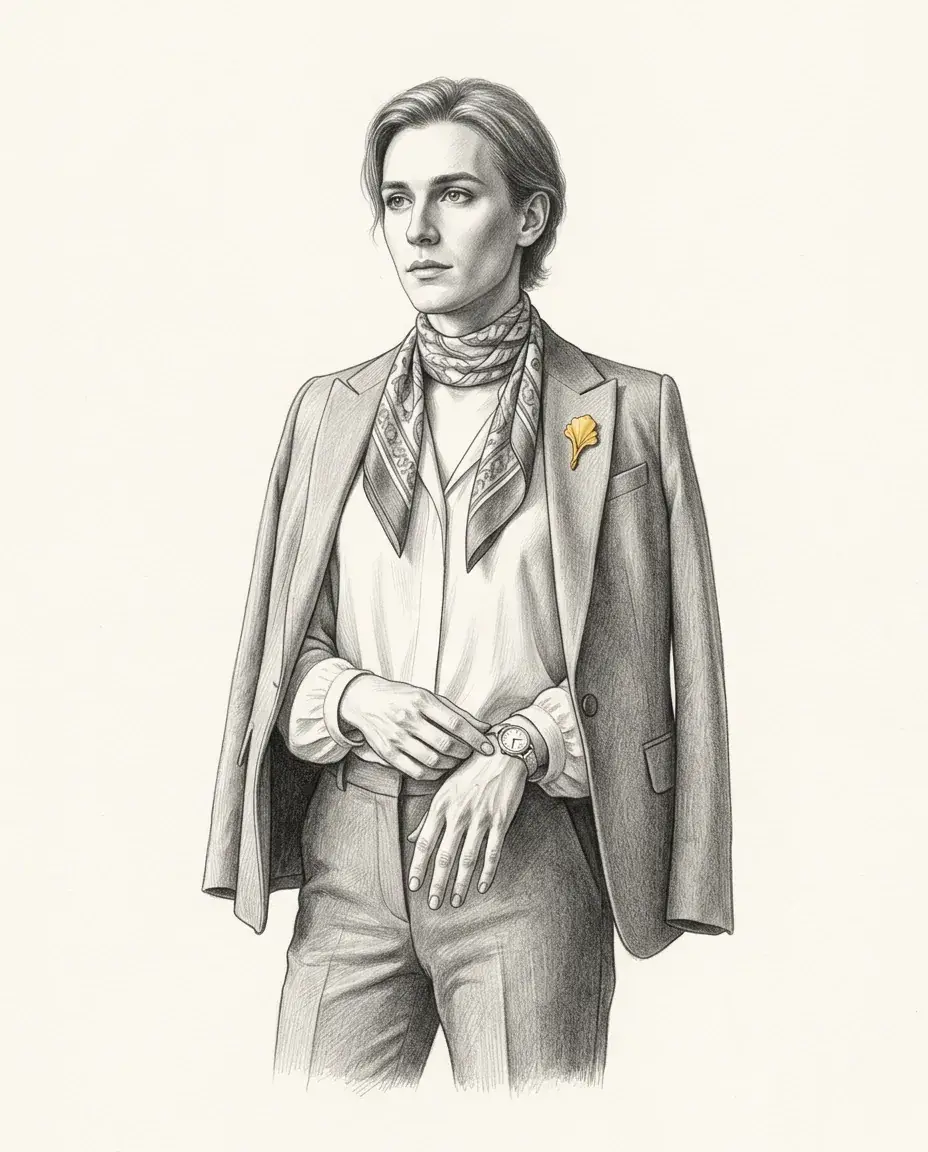
This category is about the self in flux: adopting a different gender presentation (cross-dressing, sissification), an animal or anthropomorphic persona (furry, pet identity), an artificial form (doll, robot, statue), or a changed scale or body (macro/micro, inflation, transformation).
Many of these are media- and fantasy-driven and shade into community and subculture. Some overlap with questions of gender identity and are framed here descriptively and respectfully, without conflating an erotic interest with a person's identity.
Ultra-common1
Very common1
Common7
Uncommon30
Rare25
Very rare2
Ultra-common1
Very common1
Common7
Uncommon30
Rare25
Very rare2
Entries
Filter and sort within Identity & Transformation, or switch categories from the control below.
No. Cross-dressing describes wearing clothing associated with another gender, which may be erotic, expressive, theatrical or simply comfortable. Being transgender describes a person's gender identity, which is not an interest and does not depend on clothing. Some transgender people cross-dress and some cross-dressers are transgender, but neither implies the other, and this catalog documents the interest without inferring anything about identity.
Can an erotic interest be directed at oneself rather than at a partner?
That is what a large part of this family describes. Entries such as self-as-female arousal, self-as-male arousal and autozoophilia name arousal tied to imagining oneself as something else, grouped in the literature under erotic target identity inversion. That model is contested, particularly where it has been applied to transgender people, and it is recorded here as a description rather than an explanation.
Does a transformation fantasy mean someone wants their body changed in reality?
Usually not. Transformation fetish material is almost entirely imaginative, since the changes involved are impossible, and the fantasy depends on the change being watched or narrated rather than achieved. Real alteration belongs to a separate interest, body modification, while a persistent and distressing wish to alter the body's structure is a clinical matter documented at body integrity dysphoria.
Does age regression play involve children?
No. Littlespace and adult baby / diaper lover interests are practised between adults, and what is adopted is a role and a headspace, not a real child. Practitioners frequently describe the appeal as relief from responsibility rather than as anything sexual. An interest directed at actual children is a different matter entirely and is documented, as a disorder, under clinical paraphilias.
Is wanting to be treated as a doll or an object a psychological warning sign?
Not by itself. In dollification, dronification and human furniture the person being objectified is generally the one who arranges it: the scene is negotiated, time-limited and stoppable, which is the reverse of how objectification works when it is imposed. The question worth asking is whether a settled sense of self persists outside the scene.
 60
60 57
57 56
56 55
55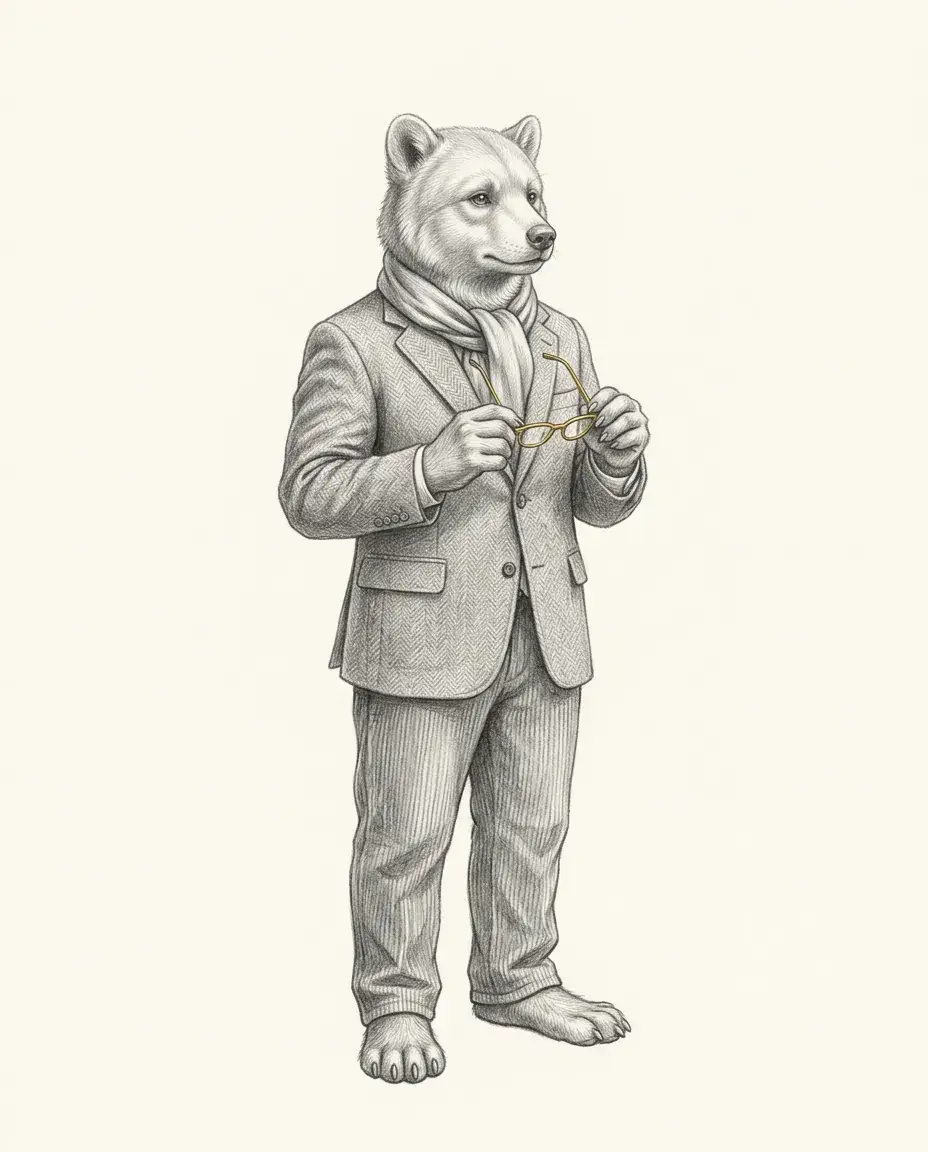 54
54 53
53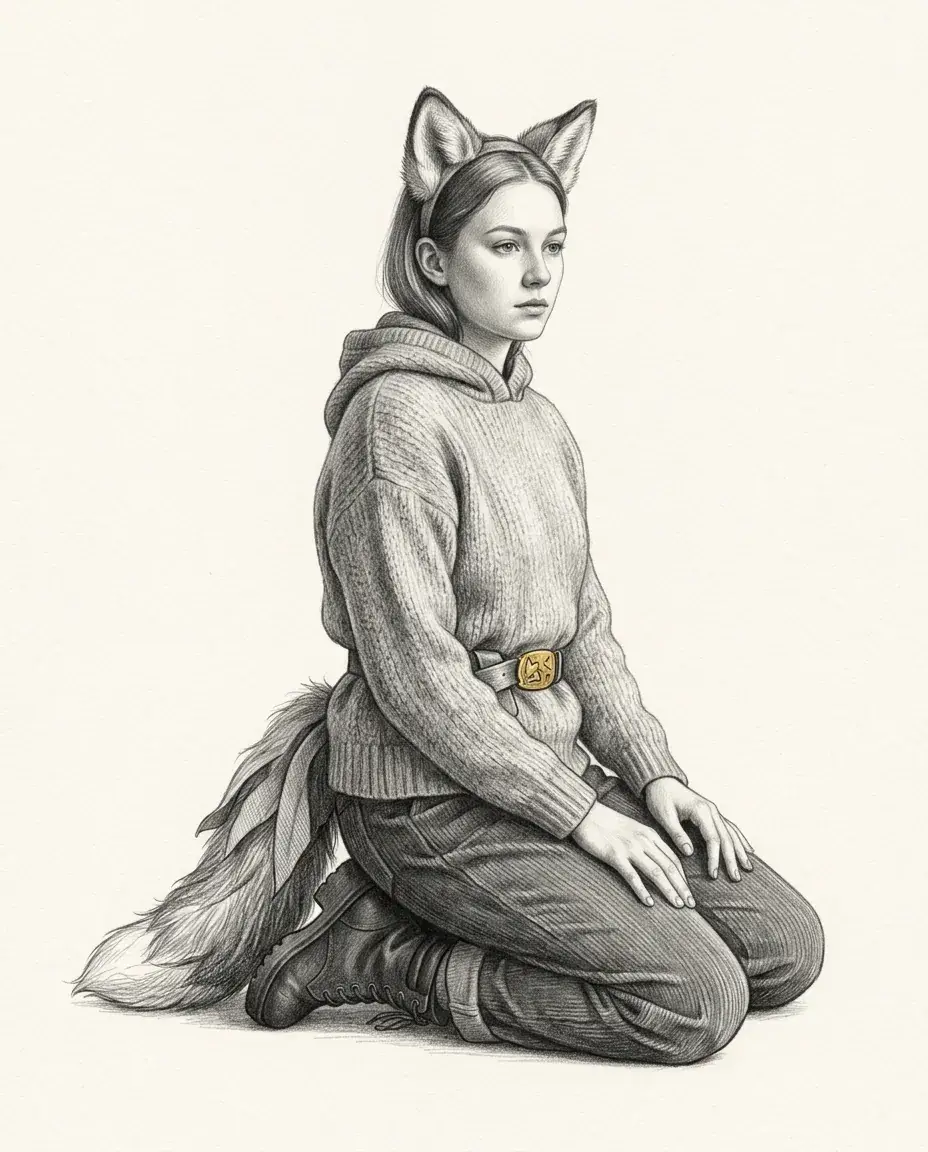 50
50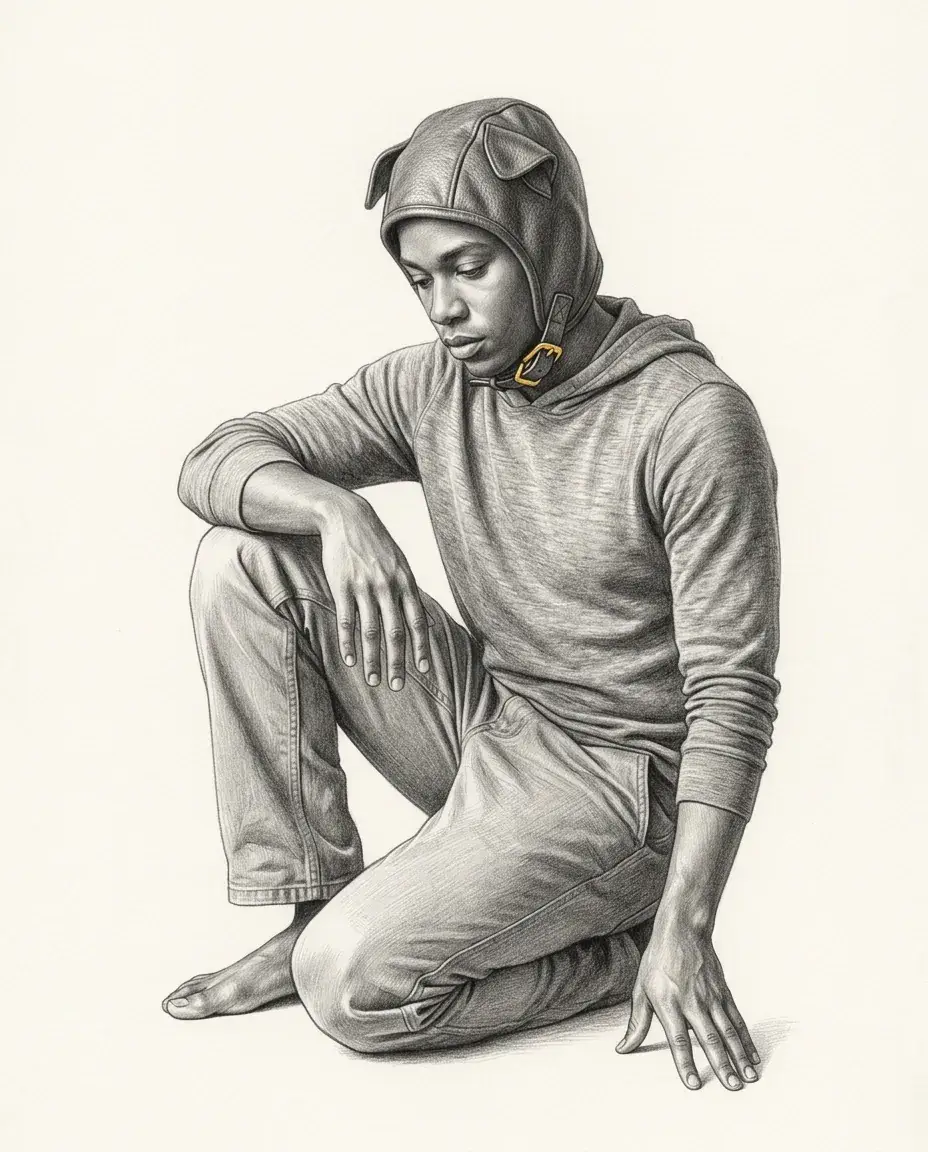 49
49 48
48 48
48 45
45 45
45 44
44 43
43 43
43 43
43 42
42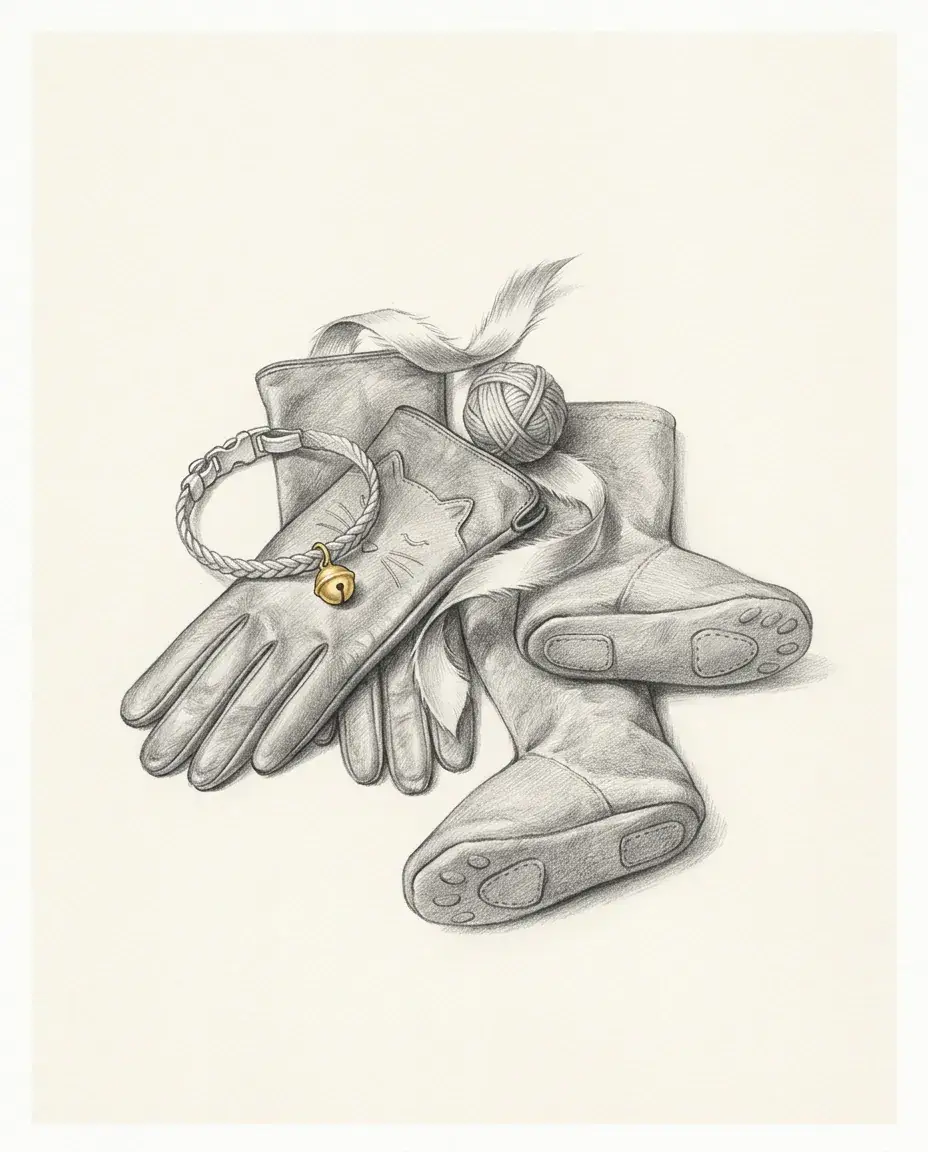 42
42 42
42 42
42 41
41 41
41 40
40 39
39