Loading the index…
Feminization & Sissy Play
Feminization play centres on adopting a feminine appearance, persona or role: sometimes as self-expression, sometimes within a power dynamic. This collection gathers sissification, cross-dressing, bimbofication and masking, defined in neutral, clinical language.
9 entriesAbout this collection ↓


About this collection
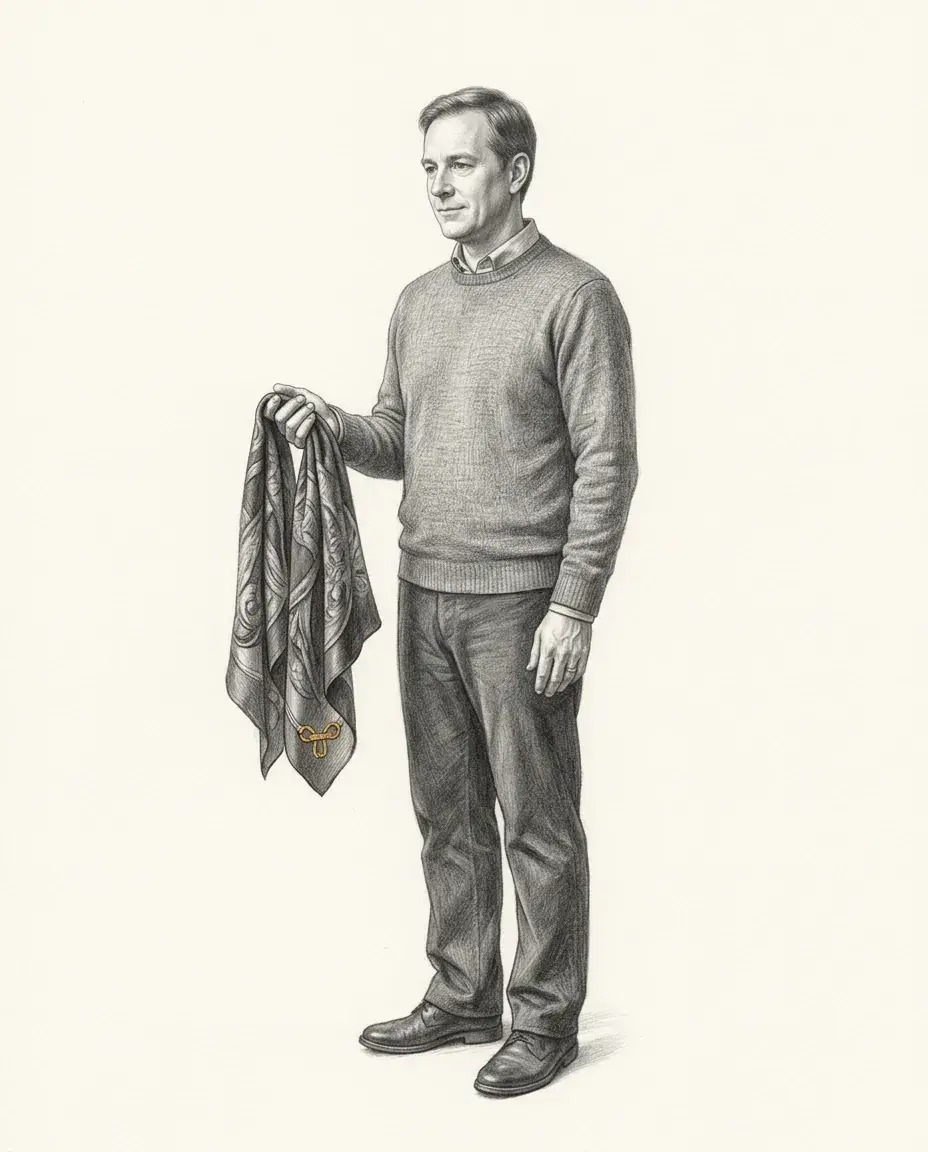
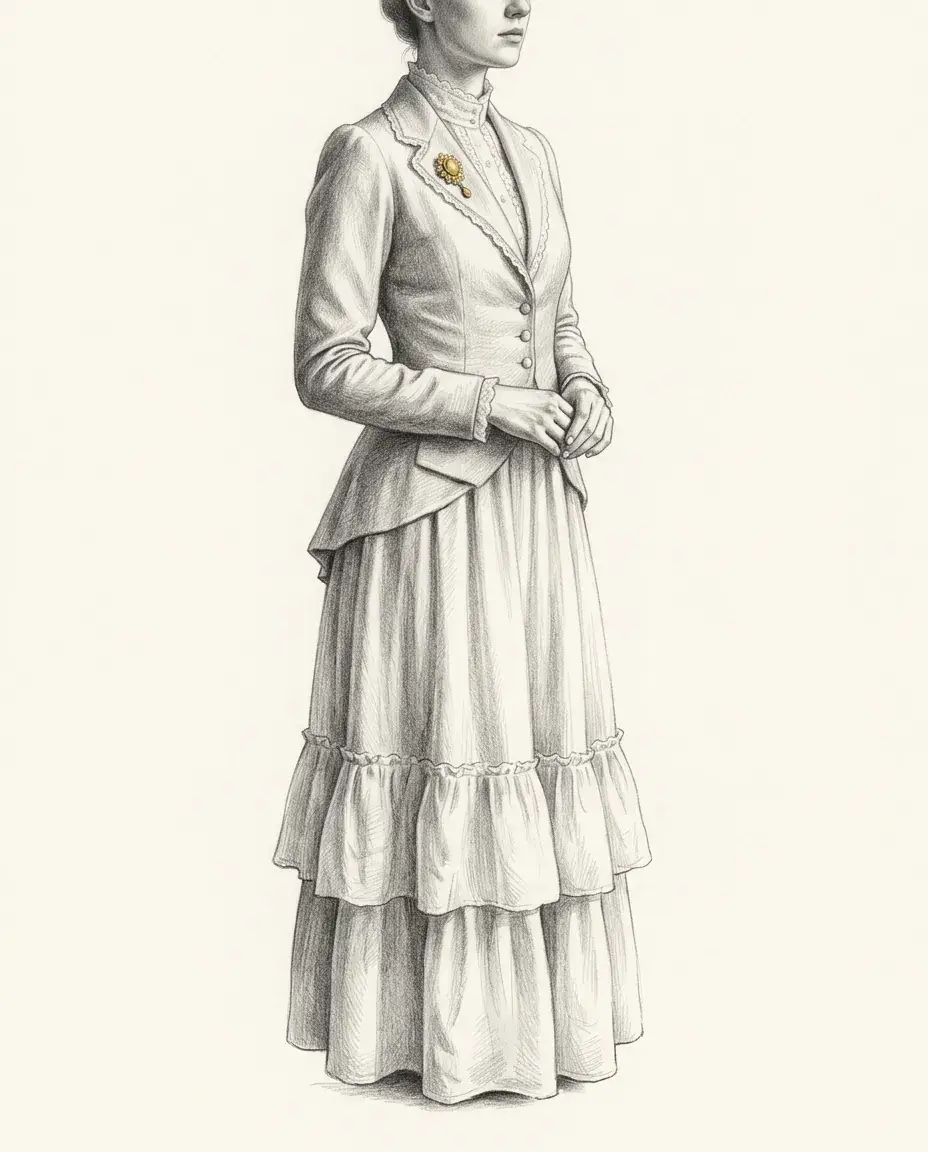
Feminization is the direction the nine entries here share: a person, most often a man, adopting a feminine appearance, persona or role. Sometimes that is self-expression, sometimes a scene inside a power dynamic, sometimes a fantasy of transformation that stays on the page. Cross-dressing leads the collection at rank 56 and an estimated 3 percent of adults, and the catalog files it as common and benign; everything else here is a specific form of it, or a specific reason for it.
The collection carries one clinical entry and one contested one, and both are here because leaving them out would leave the reader with a question. Transvestic disorder is the DSM-5-TR's diagnosis, applied only when arousal from cross-dressing causes distress or impairment; the entry says the interest itself is not the disorder, and the FAQ below repeats it. Self-as-female arousal, the research construct called autogynephilia, is marked disputed on its page, and the entry explains the dispute rather than taking a side.
What the collection gathers
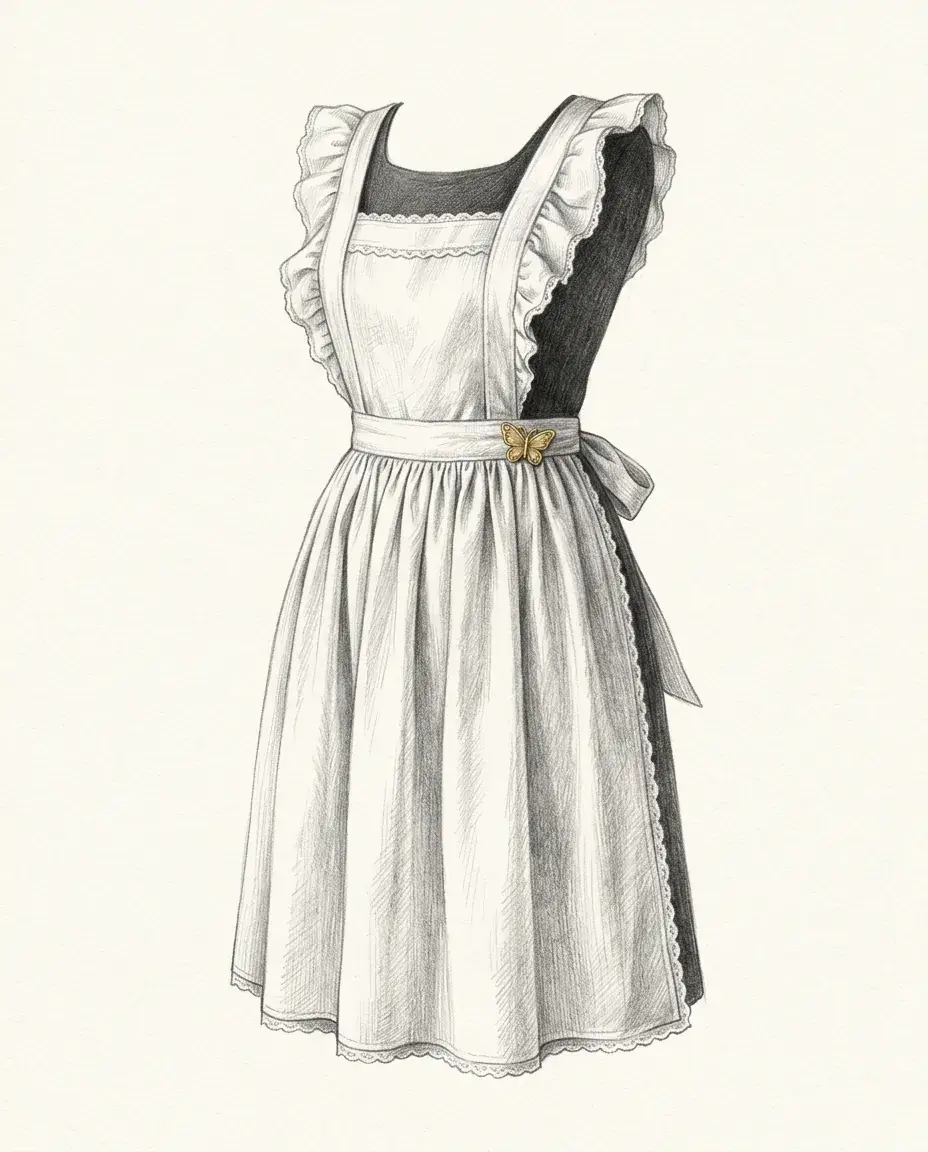
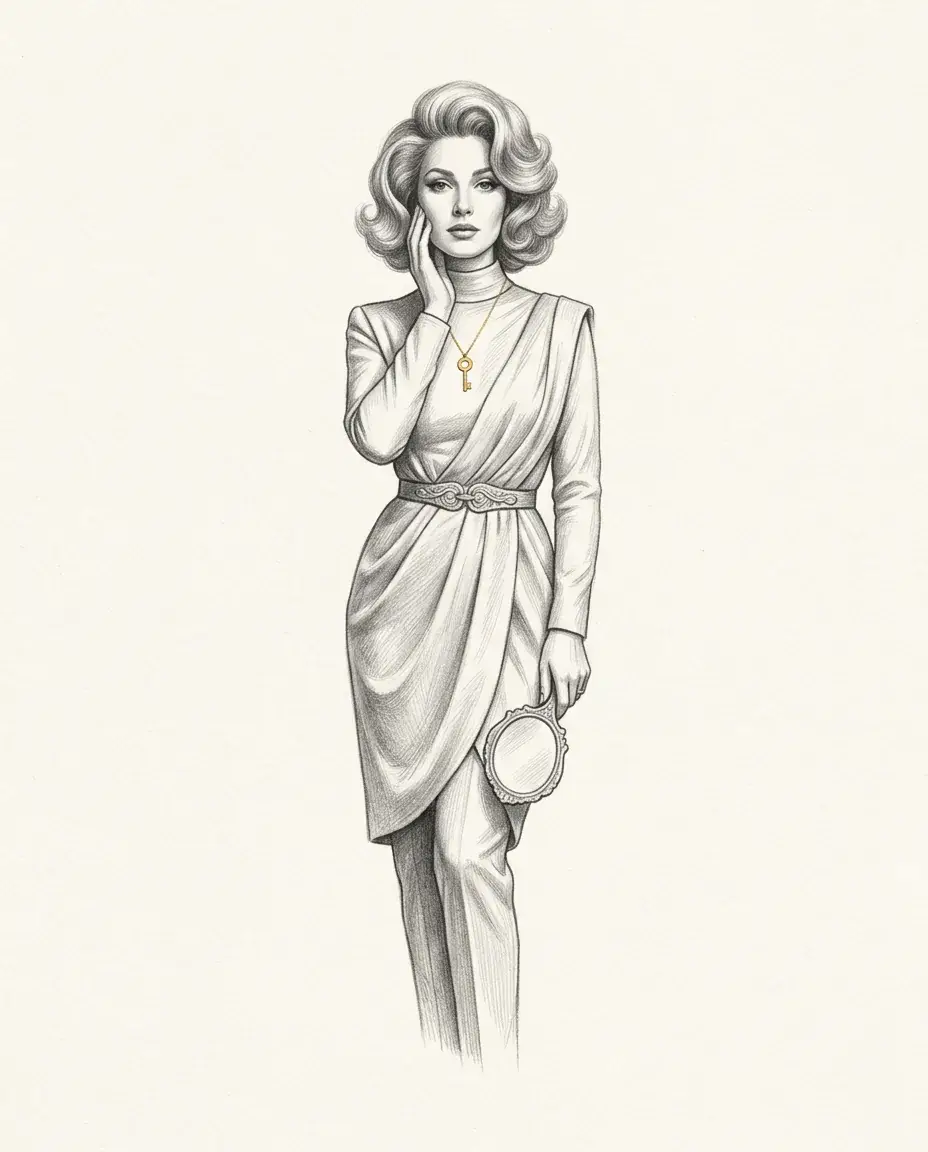
Presentation, persona and fantasy, in that order of how much of the person changes. Presentation is cross-dressing and the maid fetish, a costume with a role attached. Persona is sissification, a consensual power-exchange in which a partner directs the feminine presentation, and bimbofication, an exaggerated hyperfeminine persona adopted or imposed; both are scenes, and both are filed under Identity and Transformation. Sissy hypno is a pornography genre rather than a practice, looped audio and captions that suggest the persona to a viewer, and its entry says what the evidence on hypnosis does and does not support.
Fantasy is the gender swap fetish, a character changing sex in fiction and art rather than any real act, and female masking, a lifelike silicone mask worn to present as a woman or a doll, which at an estimated 0.08 percent is the rarest entry in the collection and the one furthest from everyday cross-dressing.
Where its edges are
The edge that matters most is identity, and the FAQ below takes it first: feminization play and being transgender are different things, one a role or a scene and the other who a person is, and the catalog documents gender identities in a separate vertical with its own method and its own ranking. Every entry here says which it describes.
The second edge is humiliation. Sissification often carries it and cross-dressing usually does not, and the FAQ separates the two: a feminine presentation can be a scene of degradation, a scene of care, or no scene at all. Bimbofication and gender swap also appear in the fandom collection, because much of both lives in drawn art.
How the ranking reads
Three entries are common, four uncommon and two rare. Cross-dressing at 3 percent and the clinical entry at 2.5 percent describe the same interest counted twice, once as a practice and once as a diagnosis, and the gap between them is the manual's distress criterion. Below them the collection thins toward the specific: the maid costume, the scene, the genre, the mask.
Common questions
Is feminization play the same as being transgender?
They are different kinds of thing. Gender identity is who a person is, while the practices gathered here are something a person does, often erotically and often temporarily. Some people who cross-dress are transgender, most are not, and some arrive at that understanding later. Neither the presence nor the absence of an erotic element settles anything about identity.
Is cross-dressing itself a disorder?
No. Transvestic disorder is a diagnosis of distress rather than of clothing: it applies only where the arousal causes the person significant suffering or impairment. Wearing the clothes, enjoying them and building an erotic life around them meet no diagnostic criteria on their own, and the entry appears in this catalog descriptively, not as a judgement.
Does this always involve humiliation?
Frequently, but not inherently. Sissification is usually structured as a power exchange in which the feminine role is framed as a demotion, and that framing carries the charge. Other participants describe the opposite: relief, playfulness or aesthetic pleasure, with bimbofication and the maid persona enjoyed as costume and character rather than as degradation.
Does sissy hypno actually change anyone?
There is no evidence that it does. Sissy hypno is erotic media assembled from repetition, layered audio and suggestion, and its effect is the ordinary one of arousing material watched repeatedly, not an alteration of orientation or identity. The concern practitioners do raise is compulsive use, since the format is built to be consumed in long sessions.
Why is arousal at picturing oneself as female disputed?
Because it was turned into a theory of transness. Self-as-female arousal, proposed under the name autogynephilia, is reported by some people as a personal experience and rejected by others as an explanation of why anyone transitions. This catalog records the reported phenomenon and takes no position on the typology built on top of it.