Fixations and affinities that are not erotic: anthropological, sensory, or colloquial.
Fixations and affinities that are not erotic at all: the anthropological and religious sense of 'fetish', collecting and consumer-culture obsessions, sensory pleasures like ASMR, and the colloquial 'fetish' for a hobby or object. Included to map the full breadth of the word.
48 entries
CompositionNon-sexualsingle domain
Entries489.9% of the catalog
Mean index45.6 /100catalog 39.2
Subcategories2424 facets
Entries by index
hover a dot · click to open
050100
Not every fetish is sexual. This category covers the word's other meanings: the anthropological fetish object, the Marxian 'commodity fetish', the collector's and enthusiast's fixations (sneakers, watches, cars, gadgets), sensory pleasures such as ASMR and 'oddly satisfying' textures, and ritual or devotional objects.
These entries are marked non-sexual and are included so the directory reflects the full semantic range of 'fetish', from clinical sexuology to everyday cultural usage.
Ultra-common4
Very common14
Common25
Uncommon4
Rare1
Very rare0
Ultra-common4
Very common14
Common25
Uncommon4
Rare1
Very rare0
Entries
Filter and sort within Non-Sexual Fetishism, or switch categories from the control below.
The non-sexual senses are the older ones. Before sexology borrowed the word in the nineteenth century it named a ritual object believed to hold power, the sense preserved in anthropological fetishism and relic veneration. Everyday English then widened it again to mean any strong fixation, which is how a tech fetish or a stationery fetish acquired the name.
What is commodity fetishism?
A term from Marx for the way a manufactured object appears to carry value in itself, detached from the labour that made it. Commodity fetishism is an economic argument rather than a psychological one, but it maps onto familiar behaviour: brand worship, the resale culture around sneakers, and the aura attached to particular watches or gadgets.
When does collecting become hoarding?
Clinicians look at distress and function rather than volume. Collecting is selective, organised and usually pleasurable; compulsive hoarding involves difficulty discarding items regardless of value, until living space stops working and relationships suffer. Milder cases sit between the two, such as tsundoku, the unread book pile, and bibliomania.
Why is devotion to a brand or a celebrity filed as a fetish?
Because the older, anthropological sense of the word covers it: an object treated as if it held power of its own. Brand worship and celebrity worship attach that charge to a logo or a person, and relic veneration is the religious form of the same move. None of the three has to involve arousal.
Is an intense fixation on an object or a person a mental health problem?
Usually not. Enthusiasm becomes a clinical matter at the point where it produces distress, debt or lost function, which is what separates a keen shopper from compulsive shopping. The same test applies to limerence, an involuntary and intrusive infatuation, and to celebrity worship syndrome, described on a scale that runs from casual interest to something disruptive.
 72
72 70
70 69
69 68
68 66
66 59
59 57
57 57
57 57
57 57
57 56
56 56
56 56
56 55
55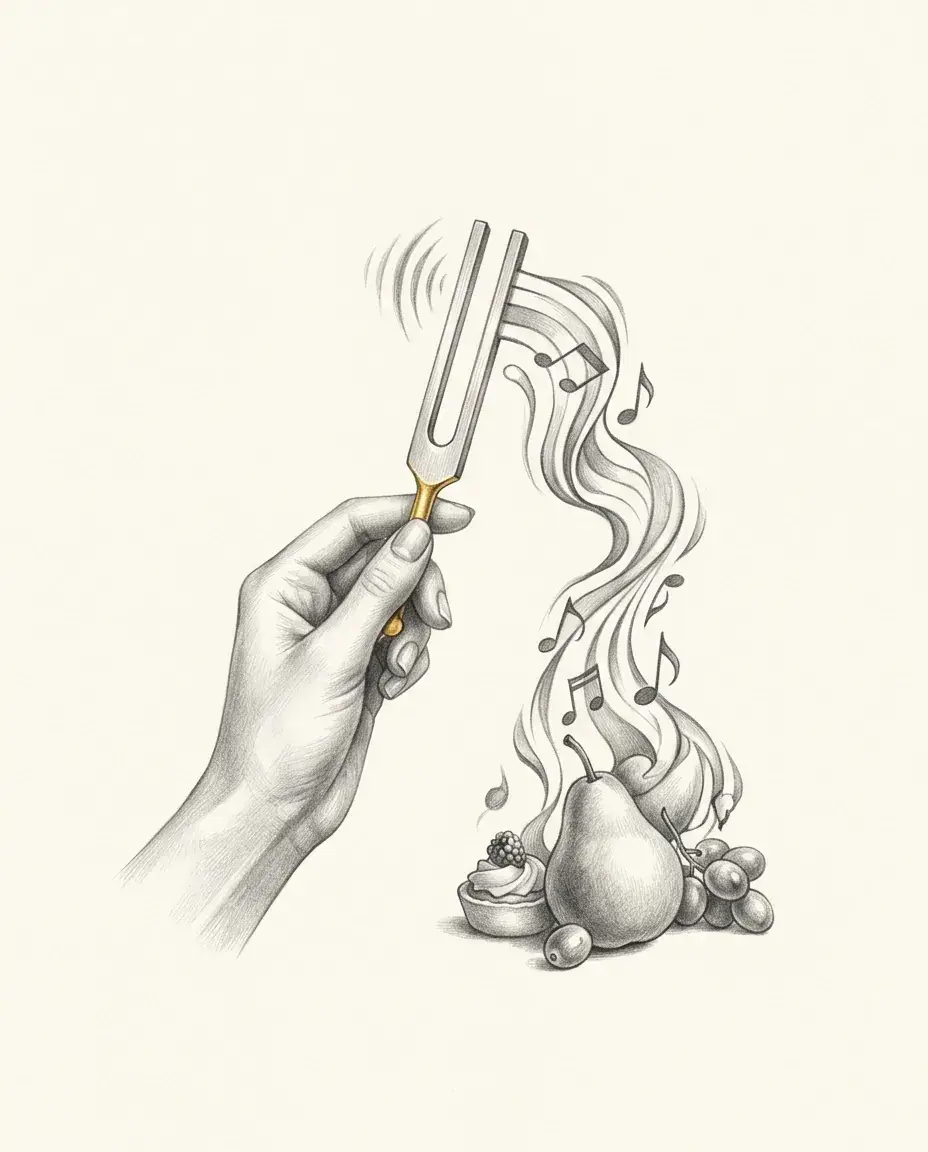 55
55 54
54 53
53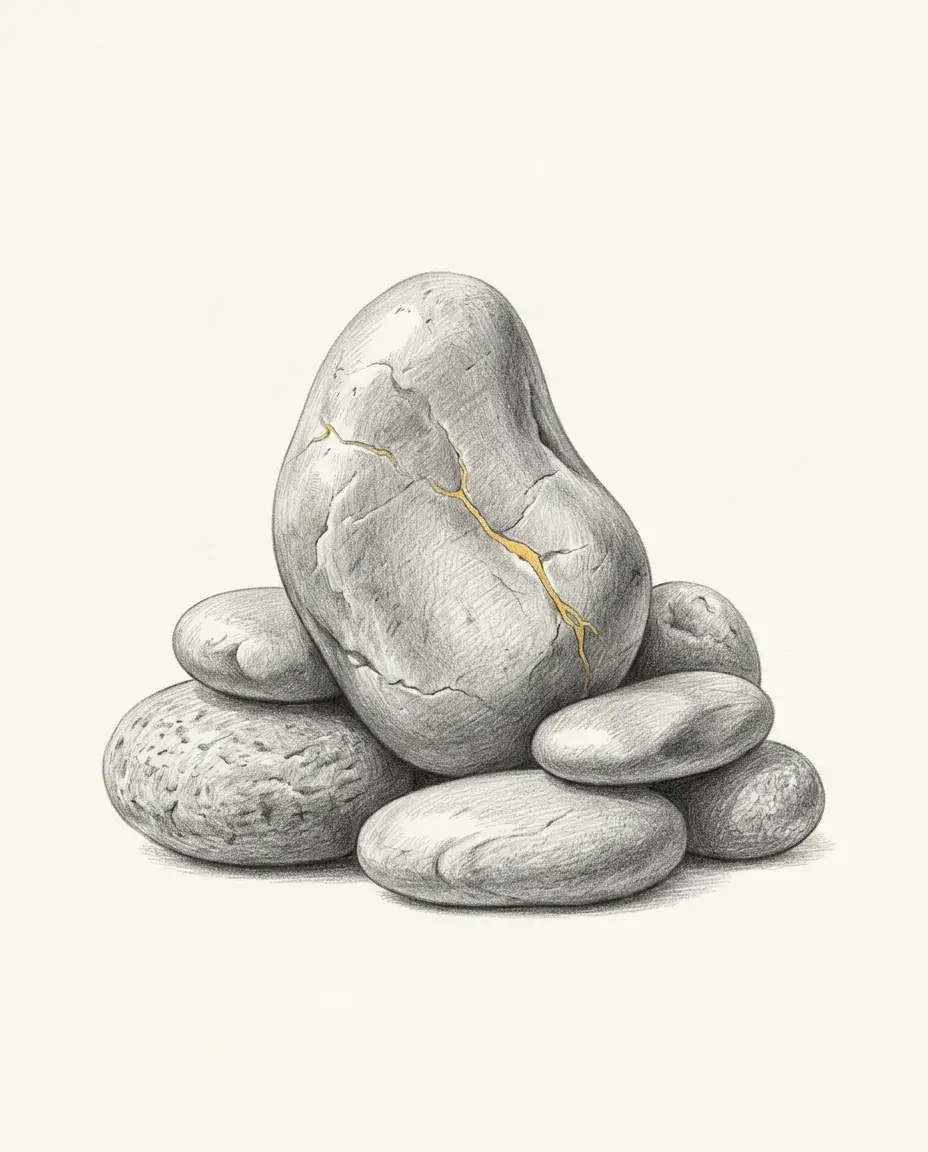 50
50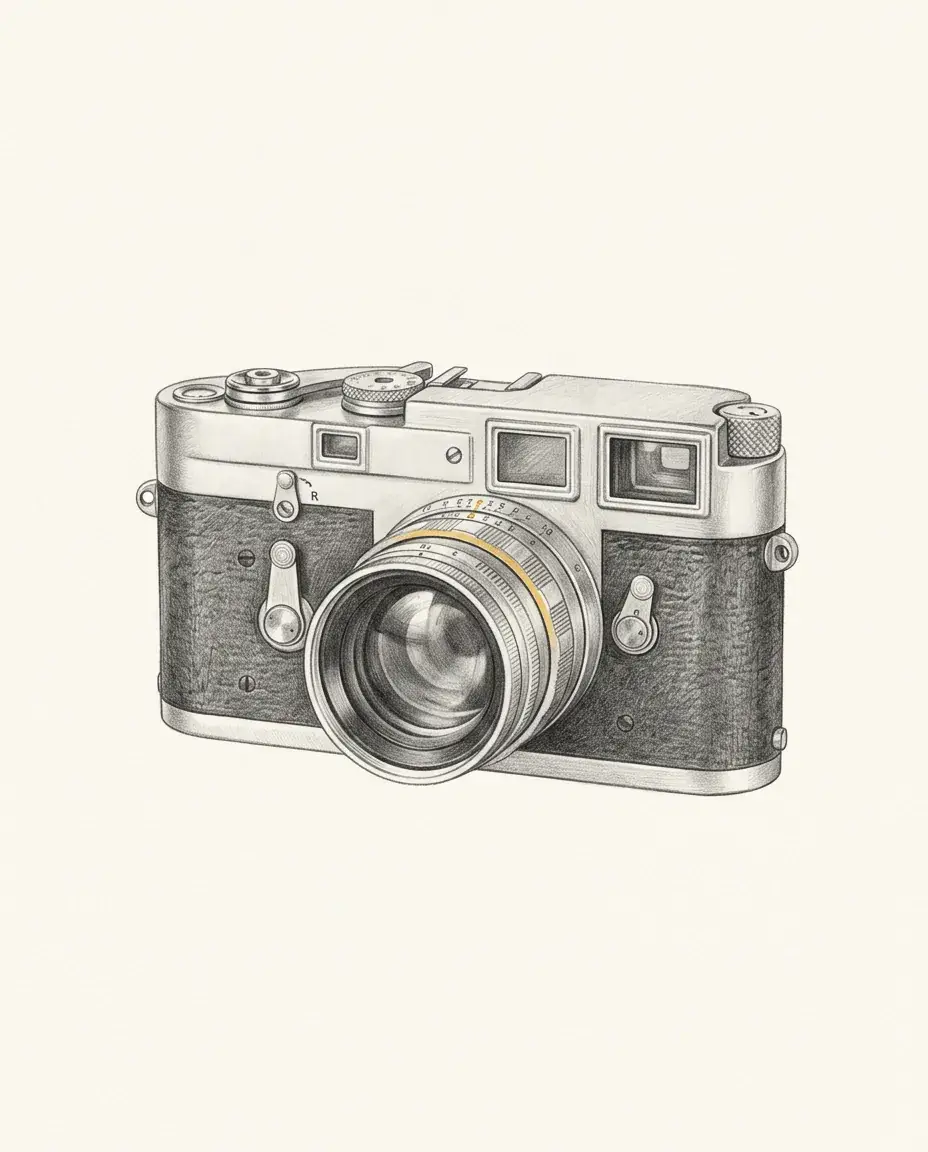 50
50 48
48 47
47 44
44 44
44 43
43