Loading the index…
Furry & Anthro
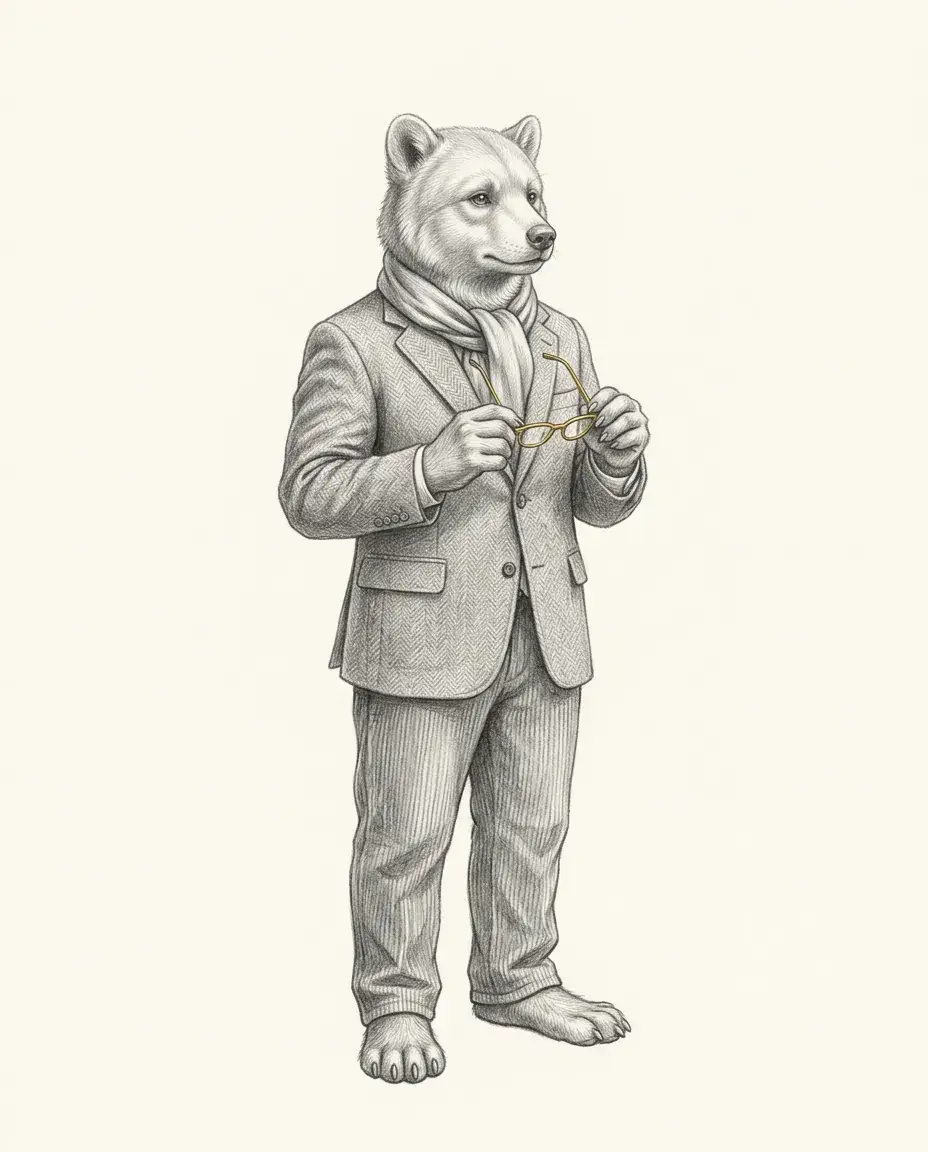
The furry fandom centres on anthropomorphic animal characters and personas, expressed through art, fursuits and community. This collection gathers furry and anthro identities (from fursuiting and scalies to therians and otherkin), alongside the animal role-play that overlaps them.
9 entriesAbout this collection ↓




About this collection
The furry fandom is a community organised around anthropomorphic animal characters, and this collection is the catalog's map of the interests that grew inside it and beside it. Nine entries, all filed under Identity and Transformation, led by the furry fandom itself at rank 115 and an estimated 1.5 percent of adults. Three of the nine are marked non-sexual, and the first question the FAQ below answers is the one the fandom is most often asked from outside.
The history is short and well recorded. The term furry appears in fanzines by 1983, the first convention, ConFurence 0, ran in Costa Mesa in January 1989, and the fandom moved online with the rest of fandom in the 1990s. The catalog's entry draws on Furscience, the research programme that has surveyed furries since 2011, whose finding on the question everyone asks is that about a third of furries cite sexual attraction as a motivator and about a quarter say it is unrelated, with belonging and entertainment ranking above both.
What the collection gathers
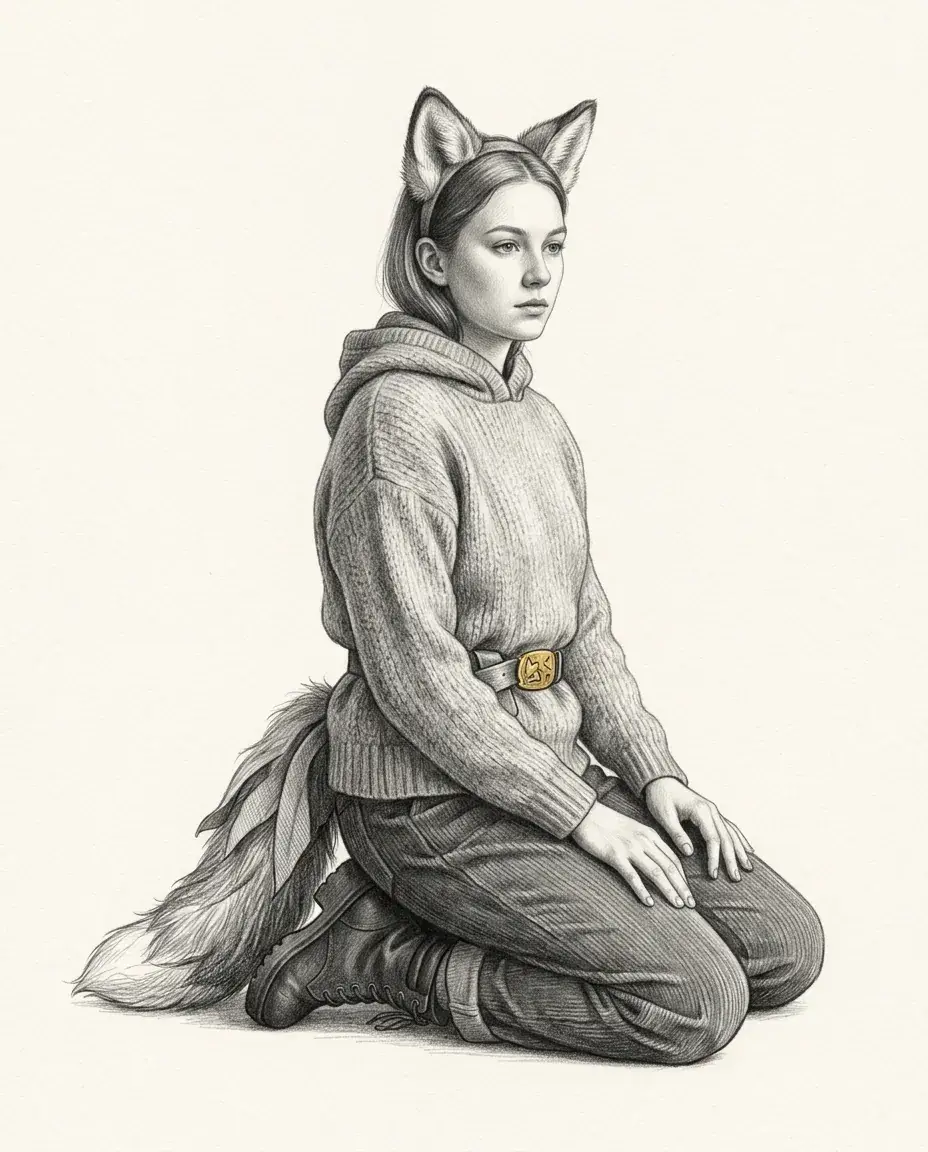
A fandom, the ways of embodying it, and two identities that are neither. The fandom is the umbrella. Fursuiting, wearing a full or partial animal costume to embody a character, is the most visible practice and, at an estimated 0.4 percent, one of the rarer entries; most furries do not own a suit, and the FAQ says so. Scalie names the fans whose characters are reptiles and dragons rather than mammals, and kemonomimi, the drawn catgirl with ears and a tail, is the anime cousin, filed here and in the fandom collection.
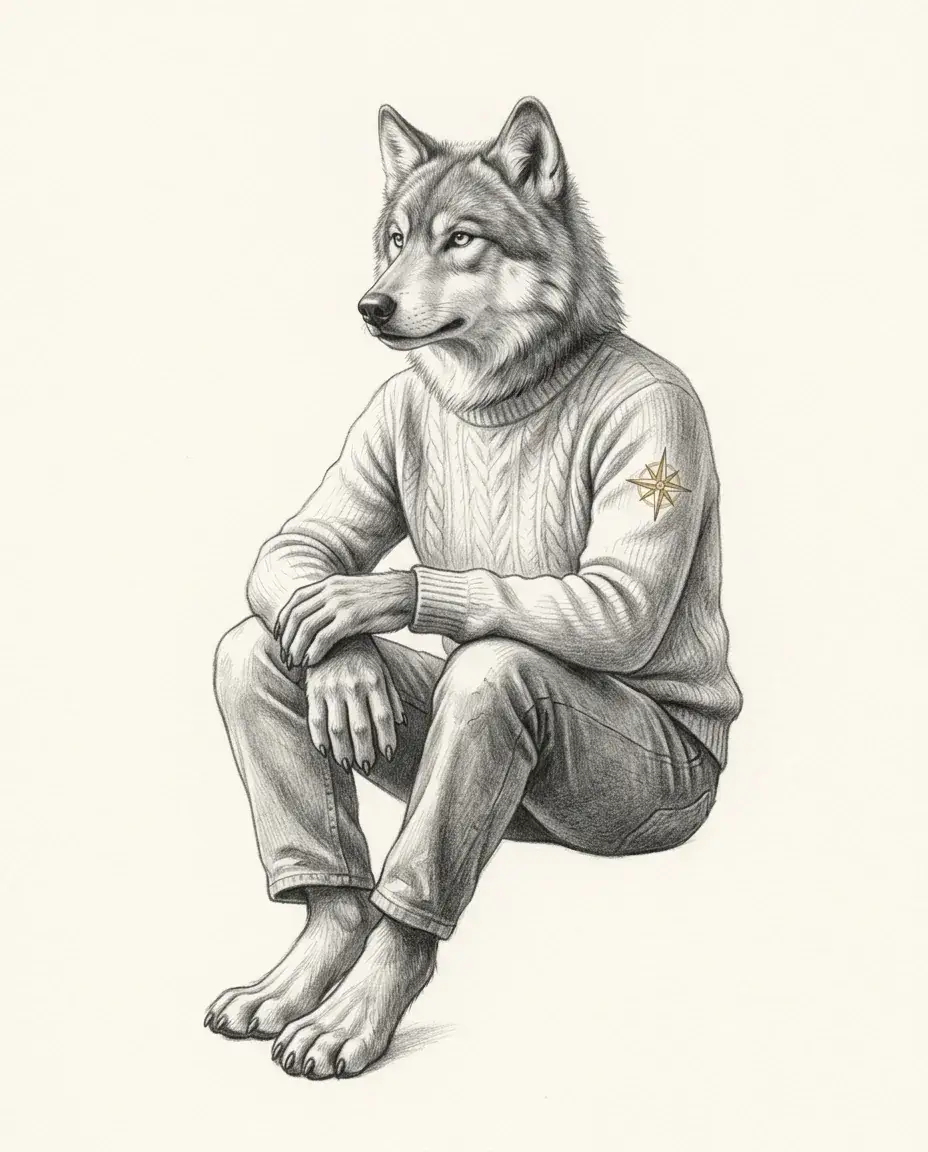
The identities are therianthropy and otherkin: a person who experiences themselves as, in part, a non-human animal or a non-human being, as an identity rather than a role. Both entries are marked non-sexual, and both are here because the vocabulary and the communities overlap with the fandom while the experience does not. Autozoophilia, at the foot, is the clinical term for arousal at the fantasy of being an animal oneself, and the entry keeps it apart from attraction to animals, which the catalog files elsewhere under a content notice.
Where its edges are
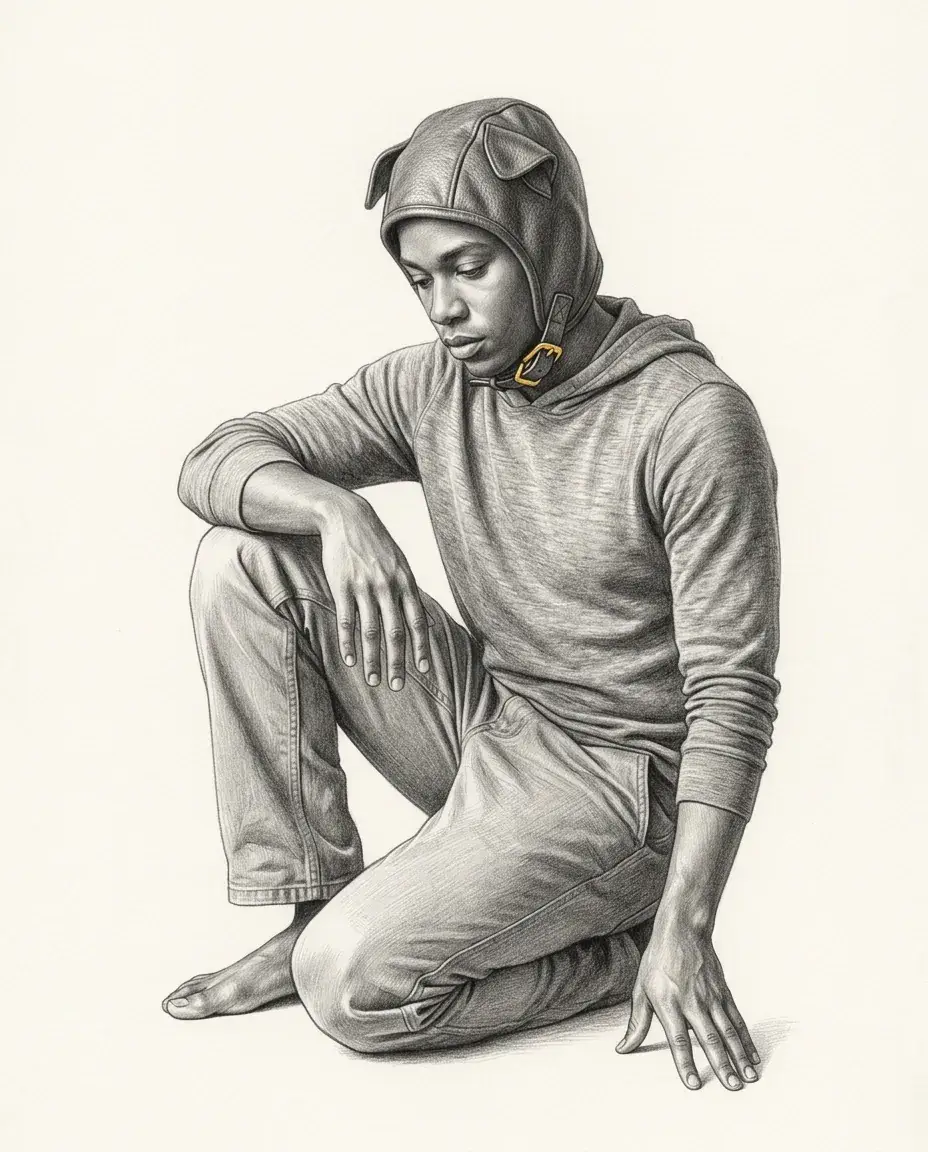
Animal role-play and human pup play are listed here and in pet play, and the FAQ below draws the line: a pet player becomes an animal for a partner inside a scene, a furry creates a character and wears it for a community. The gear overlaps, pup hoods and fursuit heads can look alike, and the practices do not.
The line the collection draws hardest is the one between an animal persona and an animal. Every entry that could be misread says on its page that no animal is involved, and the catalog's documentation of attraction to real animals is a separate entry, flagged, symbolic in its imagery and absent from search indexes.
How the ranking reads
One entry is common, five are uncommon and three are rare. The fandom at 1.5 percent and animal role-play at 2 percent lead; the specific practices, fursuiting and the scalie subset, sit under half a percent; the identities are between. The shape is a community larger than any of its practices, which is what a fandom is.
Common questions
Is the furry fandom a sexual fetish?
For most participants, no. Furry fandom is organised around anthropomorphic characters as art, writing, costume and community, and the greater part of its activity is social and creative. Erotic material exists within it, as within any large fandom, and some members treat their character as part of a sexual identity, but the fandom itself is not defined by that.
What is the difference between a fursona and a therian identity?
A fursona is a character a person creates and can revise, replace or retire; it is authored. Therianthropy and otherkin describe an internal sense of being non-human that those who report it describe as discovered rather than designed, and neither is inherently erotic or tied to the fandom. The communities overlap without being the same thing.
Do you need a fursuit to be a furry?
No, and most members do not own one. Fursuiting is an expensive, hot and physically demanding craft, closer to costumed performance than to daily wear, and suiters are a conspicuous minority of the fandom rather than its core. Participation far more often means drawing, commissioning art, writing, or simply having a character and a name for it.
How is this different from pet play?
Different object, different frame. Furry and scalie interests centre on an anthropomorphic character who walks, talks and has a name. Animal role-play and human pup play centre on behaving as an animal within a scene, usually inside a power or care dynamic. People do both and the gear overlaps, but a fursona is a persona and a pup is a role.
Does identifying with an animal mean being attracted to animals?
It does not, and the distinction is basic to this collection. Therianthropy and autozoophilia concern what a person imagines themselves to be, not what they are drawn to, and the fantasy has one participant. Interest directed at real animals is a separate paraphilia documented elsewhere in the catalog, and it raises consent questions that do not arise here.