Furry Fandom
Added 21 Jun 2026 · Updated 22 Aug 2026
Membership in the furry fandom, the community organised around anthropomorphic animal characters that blend human and animal traits. It spans fan art, writing, costuming and conventions and centres on creating a character, a fursona. Most participation is social and creative; an erotic dimension is optional for some.
- Prevalence
- Uncommon
- Category
- Identity & Transformation
- Domain
- Sexual interest
- Confidence
- Medium confidence
- Status
- Not a clinical paraphilia; a creative fandom and identity culture that is benign, with an optional and consensual adult-content dimension for some members.
- Also known as
- Furry / Anthropomorphic interest (Furry fandom), furry, anthro, anthropomorphic interest, yiff interest, fursona play
- Added
- 21 Jun 2026
- Updated
- 22 Aug 2026
Featured in
Overview
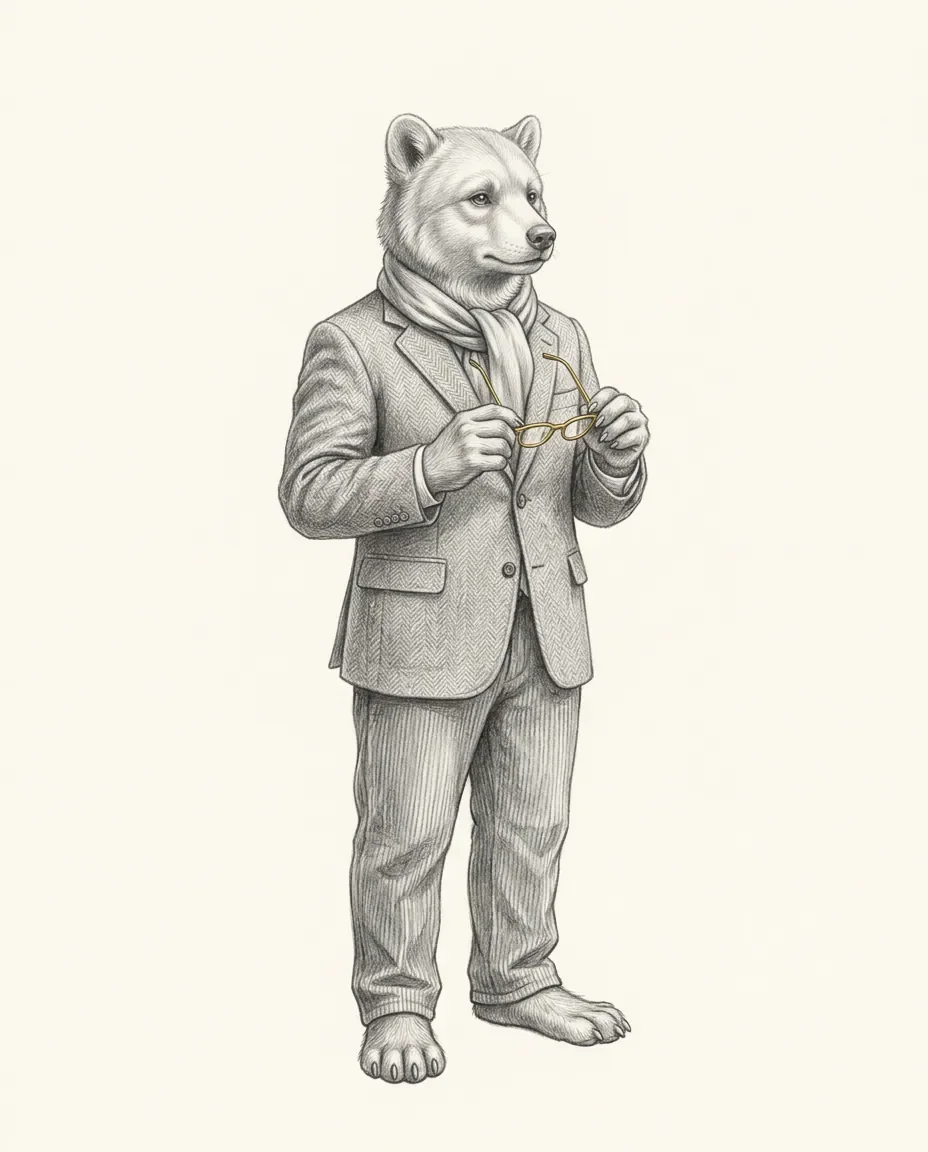
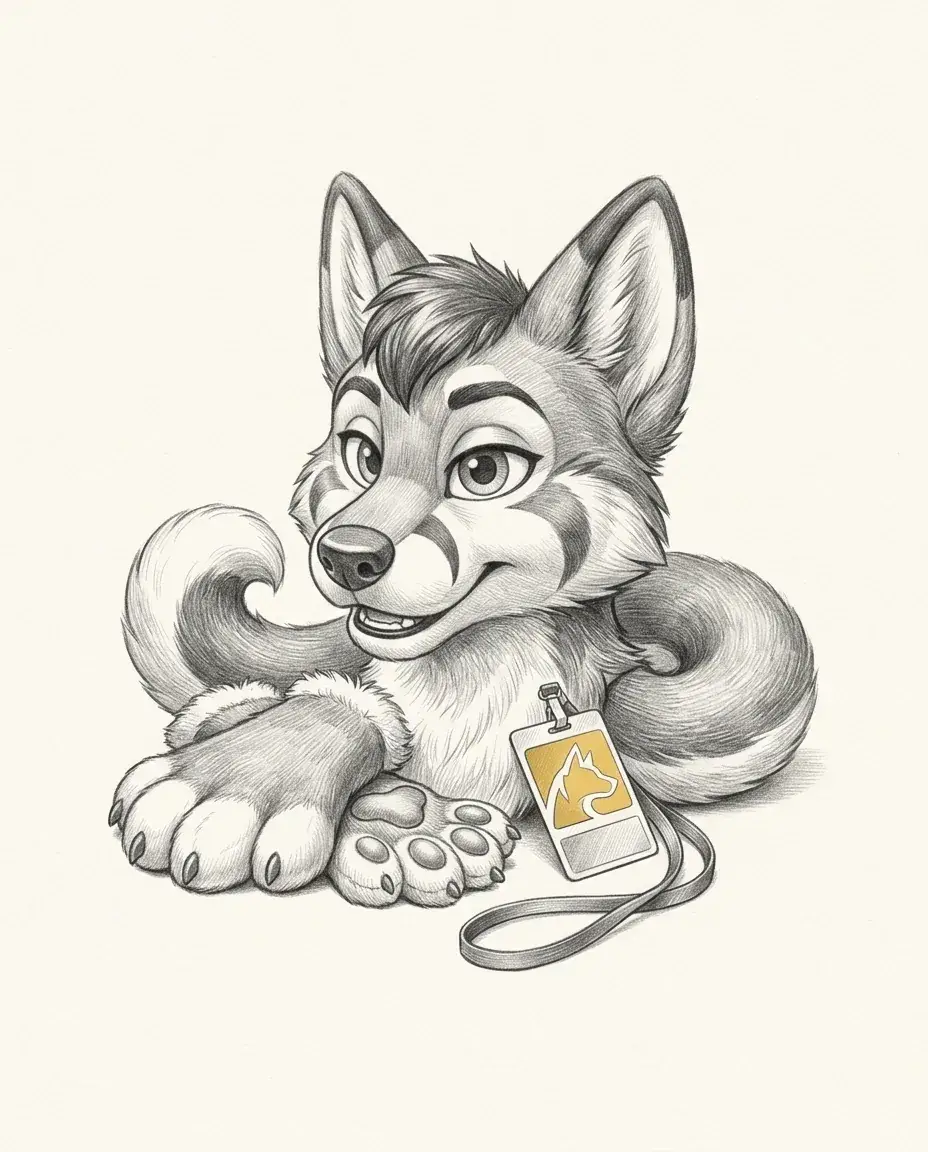
The furry fandom is the international subculture organised around anthropomorphic animals-characters that combine human and animal traits, such as a fox who walks, talks and wears clothes. Participation spans fan art, fiction, music, costuming, conventions and online community, and its defining practice is the creation of a personal anthropomorphic character, or fursona, that serves as an avatar for creativity, social connection and self-expression. For most members the appeal is social, artistic and identity-related; for a minority it also carries an erotic dimension, and survey research consistently finds these two facets are distinct rather than synonymous.
Examples
What the term covers. Drawing, commissioning and collecting character art; writing fiction; making music, animation and games; and above all designing a fursona (a personal anthropomorphic character with a species, a palette, a personality and a drawn reference sheet), then using it as one's name and face in the community. It covers convention-going, the fandom's main in-person form, and, for a minority, fursuiting: commissioning or building a costume and performing in it. Narrower affiliations sit inside it rather than beside it, such as scalies, whose characters are reptiles and dragons rather than mammals.
What the term does not cover. Most of what the public assumes. Furry is not a fetish: Furscience, the public face of the International Anthropomorphic Research Project, finds only about 5% of male furries call furry pornography the definitive factor in their joining, while nearly half say it had little or no influence, and adult work is walled into adults-only spaces as in most fandoms. It is not bestiality: the characters are fictional and human-like, and no real animal is involved. It is not therianthropy or being otherkin, where a person feels they are non-human rather than having invented one. It is not animal role-play such as pup or kitten play, which enacts animal behaviour inside a relational frame. And it is not kemonomimi, where the body stays human but for ears and a tail.
How the word is used. "Furry" is plain English, serving as both noun and adjective. Anthropomorphic-character fans adopted it around 1980 and fixed it in print in fanzines by 1983; earlier such characters were simply "funny animals". It names no clinical category and appears in neither DSM-5-TR nor ICD-11. The community's own vocabulary (fursona, fursuit, anthro, con, and "yiff" for adult material) marks which part of the fandom is under discussion.
History & origins
Anthropomorphic animals are ancient (appearing in cave art, mythology, fables and folklore) but the furry fandom as a self-aware community is a product of late-twentieth-century American fan culture.
Clinical lineage
Unlike most entries in this directory, the furry fandom has no clinical lineage: it is a hobbyist subculture, not a diagnosis. It has never appeared in the DSM or ICD-11 as a disorder, and the scholarly literature treats "furry" as a leisure identity studied through social and personality psychology rather than as a paraphilia. Where a sexual interest in anthropomorphic characters does exist, it is conceptually adjacent to, but should not be conflated with, a sexual interest in real animals (see bestiality); the furry interest concerns fictional, human-like characters and is not classified as a paraphilia.
Cultural & subcultural evolution
- 1980: According to fandom historian Fred Patten, the concept crystallised at a science-fiction convention when a character drawing from Steve Gallacci's Albedo Anthropomorphics sparked a discussion group on anthropomorphic characters that began meeting at conventions, per the Furry fandom history.
- 1983: The phrase furry fandom appears in fanzines, becoming the standard label by the mid-1990s; earlier highly-anthropomorphic characters had been known simply as "funny animals."
- 1985: Mark Merlino and Rod O'Riley begin hosting themed "furry parties" at the Westercon science-fiction convention, the social seed of a dedicated event.
- January 1989: ConFurence 0, the first convention exclusively for the furry fandom, is held in Costa Mesa, California, organised by Merlino, O'Riley and others, establishing the convention model that now anchors the community.
- November 1990: The Usenet newsgroup alt.fan.furry is created, beginning the fandom's migration online; dedicated art and social platforms (notably Fur Affinity, later the most popular furry site) followed through the 2000s.
- 2000s–present: Large international conventions (Anthrocon, Eurofurence, Midwest FurFest) grow into events drawing thousands, and academic study begins in earnest. The multi-institution International Anthropomorphic Research Project (IARP), whose public face is Furscience, has run repeated large surveys of furry identity, motivation and well-being since the early 2010s, replacing early media sensationalism with empirical description.
In practice
Furry participation is expressed through commissioning or drawing character art, writing and reading fiction, making music, attending conventions, building online community and, for a minority, wearing costumes (see Fursuiting). The fursona sits at the centre of most of this activity: it is named, given a species, personality and visual reference sheet, and used as one's identity within the community. A subset of participants engages with adult or "yiff" content, in which anthropomorphic characters appear in romantic or sexual art and role-play; this material is kept to adults-only spaces and is distinct from the fandom's large all-ages output.
Psychology
Research on furries emphasises belonging, entertainment, escapism, aesthetic appreciation and self-esteem as the dominant motivators, with sexual interest a secondary factor for most. Furscience/IARP reports that only about 5% of male furries describe furry pornography as the "definitive factor" in joining the fandom, while nearly half say it had little to no influence on their entry; the fandom is, in their phrasing, mischaracterised when it is called a fetish. The fursona often functions as an idealised or exploratory self: a vehicle for trying on traits, with some members choosing a fursona of a different gender for identity exploration. The fandom is repeatedly described as unusually accepting, and many participants report well-being and social-support benefits from its inclusive culture.
Prevalence & culture
There is no representative population estimate of furry interest; figures derive from community surveys and online footprint rather than probability sampling. IARP demographic data describe a community that is predominantly young (average age 23–27, with about 88% under 30) and male-skewed (about 67% male, 23% female, with notable transgender and non-binary representation). The fandom's colourful conventions and online presence give it cultural visibility well out of proportion to its size, and it has become a recurring subject of journalism and a recognisable internet subculture.
Safety, consent & law
Furry participation is legal and benign. As with any creative community, adult content is restricted to consenting adults and appropriate spaces, and the fandom maintains clear norms separating all-ages activity from explicit material. The interest described here concerns fictional anthropomorphic characters and human community, not real animals.
Related interests
The furry fandom overlaps with, but is distinct from, Fursuiting (the costume craft and performance) and animal role-play (taking on animal behaviours in a relational or kink context).
Common questions
Is being a furry a sexual thing?
For most participants, no. Surveys by Furscience consistently rank belonging, entertainment, escapism, aesthetic appreciation and self-esteem above sexual interest as reasons for joining and staying. A subset of members does make and consume adult art and role-play, kept to adults-only spaces, but that is a facet of the fandom rather than its organising principle, the same relationship adult fan work has to any other large fandom.
What is a fursona?
A fursona is a personal anthropomorphic character a member creates and uses as their identity in the fandom: a chosen species, colours, markings, personality, and usually a drawn reference sheet that other artists work from. It functions as an avatar and often as an idealised or exploratory self, and some members deliberately choose a fursona of a different gender as a way of trying an identity on.
Do you have to own a fursuit to be a furry?
No. Fursuiting is a minority activity (the costumes are expensive, hot to wear and often commissioned months ahead), and most members take part entirely through art, writing, conversation and conventions. A fursona, which costs nothing but imagination, is far closer to a universal in this community than a suit is.
Do furries think they actually are animals?
Almost never. A fursona is a character a person invents and plays, much as a novelist invents one, not a claim about what they are. The identity claim belongs to different groups: therians describe feeling themselves to be a non-human animal in an integral way, and otherkin say the same of mythical or fictional beings. Some people belong to both worlds, but the fandom neither requires nor implies the identity.
Is the furry fandom connected to zoophilia?
No. The interest is in fictional characters who walk, talk, wear clothes and hold jobs (human-shaped minds in animal-shaped bodies), which is close to the opposite of an interest in real animals. Bestiality concerns actual animals, which cannot consent, and is unlawful in many jurisdictions; the research literature treats the two as unrelated phenomena.
How many furries are there?
Nobody knows, because no probability sample of the general population has ever asked. What exists is community-survey and convention data: the International Anthropomorphic Research Project describes a population that is predominantly young (average age in the mid-twenties, with roughly 88% under 30) and male-skewed at about 67%, with a notably large transgender and non-binary minority. Individual conventions draw attendances in the thousands.
Where does the word "furry" come from?
From the ordinary English adjective, applied by fans to themselves. Fandom historian Fred Patten traced the group's beginning to a 1980 science-fiction convention, where a character drawing from Steve Gallacci's Albedo Anthropomorphics prompted a discussion group that kept meeting at later conventions. "Furry fandom" appears in fanzines by 1983 and had become the standard label by the mid-1990s.
- Fursuiting37/100Identity & TransformationWearing a full or partial animal costume, a fursuit, to physically embody an anthropomorphic character, typically one's own fursona. It is predominantly a performative, playful, craft-driven and social activity within the furry fandom rather than a sexual one.37
- Animal Role-Play50/100Zoomimetic Role-Play · Identity & TransformationA consensual adult role-play in which a person adopts the persona, body language, and headspace of an animal, most often a puppy, kitten, or pony. It is frequently set within a power-exchange dynamic with a handler. It is humans playing animals and has no connection to real animals or zoophilia.50
- Body Modification55/100Identity & TransformationDeliberate, usually lasting alteration of the body (piercing, tattooing, branding, scarification) pursued for erotic meaning rather than only decoration. In kink it carries three overlapping functions: heightened sensation, a permanent mark of ownership or commitment, and identity made irreversible.55
- Fictosexuality53/100Identity & TransformationFictosexuality is sexual attraction directed at fictional characters, such as figures from anime, games, novels or film. Related terms include fictoromance (romantic attraction) and fictophilia, the broader umbrella for strong, lasting love or desire for a fictional character.53
- Sapiosexuality56/100Identity & TransformationA self-applied identity for people who say intelligence is the trait they find most sexually or romantically attractive. Wit, knowledge and the way a mind works are what they mean, often ranked above physical appearance. Debated as an orientation versus a strong preference.56
- Anililagnia (Attraction to Older Women)57/100Anililagnia · Identity & TransformationA sexual attraction to women older than oneself, sometimes labelled anililagnia or graophilia. Where the age gap stays within the adult range it is a common, non-pathological preference, popularly framed by terms such as 'MILF' or 'cougar' rather than a clinical disorder.57
From the English word 'furry' (covered in fur). Per fandom historian Fred Patten, the label arose among anthropomorphic-character fans around 1980 and appears as 'furry fandom' in fanzines by 1983; a colloquial coinage rather than a Greek- or Latin-rooted clinical term.
anthropomorphism · fursona identity · fandom culture
Prevalence is computed from the entry's cited population estimate. Rows marked ESTare indicative editorial estimates scored against a fixed anchor rubric, not measured quantities. Method & anchors: methodology.
Uncommon · ≈ 1 in 100
- 01FetLife, kink community group sizes (community-size proxy)community-size proxy for furry/anthro groups indicating a sizable but minority interest
- 02Google Trends, relative search interest (search-interest proxy)search-interest proxy showing steady mainstream-adjacent interest in furry/fursona content
- 03An A–Z of Kinks and Fetishes, Glamourlay framing of the furry fandom and its anthropomorphic role-play element
- 04Furry fandom, Wikipediahistory of the fandom's emergence from 1980 sci-fi fandom (Fred Patten, Steve Gallacci's Albedo), the term 'furry' in fanzines by 1983, ConFurence 0 (January 1989, Costa Mesa), alt.fan.furry (November 1990), IARP demographics, and academic study
- 05Fur Affinity, WikipediaFur Affinity as a major online furry art/social platform in the fandom's migration online
- 06Furscience / International Anthropomorphic Research Project, research findingsIARP/Furscience survey program on furry identity, motivation, demographics and well-being since 2011
- 07Furscience, Porn as a Draw to Furries (5.6)about one-third of furries cite sexual attraction as a motivator and about one-quarter say it is unrelated; sex ranks below belongingness and entertainment
- 08Diagnostic and Statistical Manual of Mental Disorders, Wikipediafurry fandom is not classified as a disorder in the DSM
- 09ICD-11, World Health Organizationfurry fandom is not classified as a disorder in the ICD-11