Loading the index…
Pet Play & Animal Roles
Pet play is role-play in which one partner takes on the headspace and mannerisms of an animal (a kitten, puppy, pony or other creature), often within a care or power dynamic. This collection gathers the major pet roles, primal play and the collars and gear that go with them.
9 entriesAbout this collection ↓


About this collection
Pet play is role-play in which an adult takes on the headspace, posture and mannerisms of an animal, usually inside a care or power dynamic with a partner who acts as owner, handler or trainer. No animal is involved, and the nine entries gathered here say so on every page. The collection is small because the practice has a small vocabulary: three or four animal roles, the collar that marks the dynamic, and the primal register that borrows the animal without the costume.
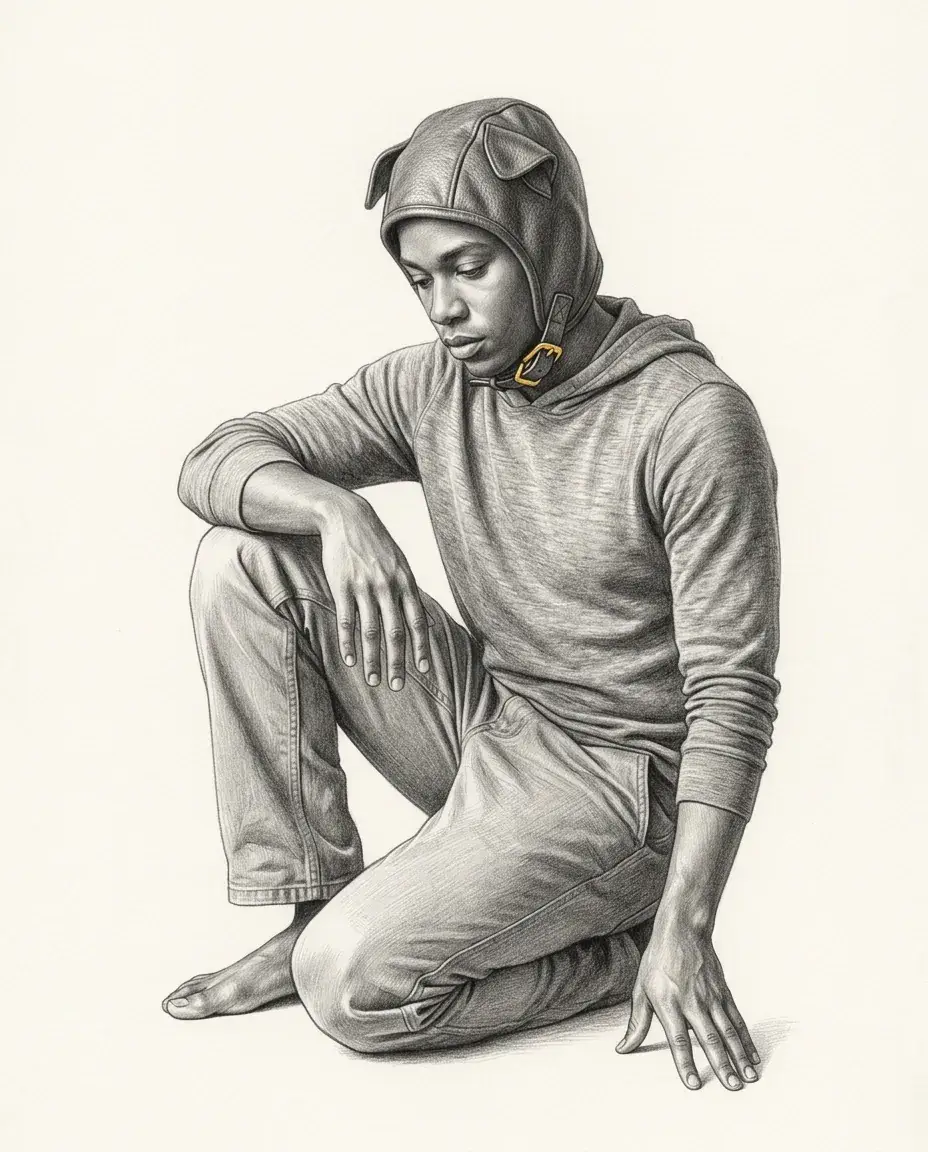
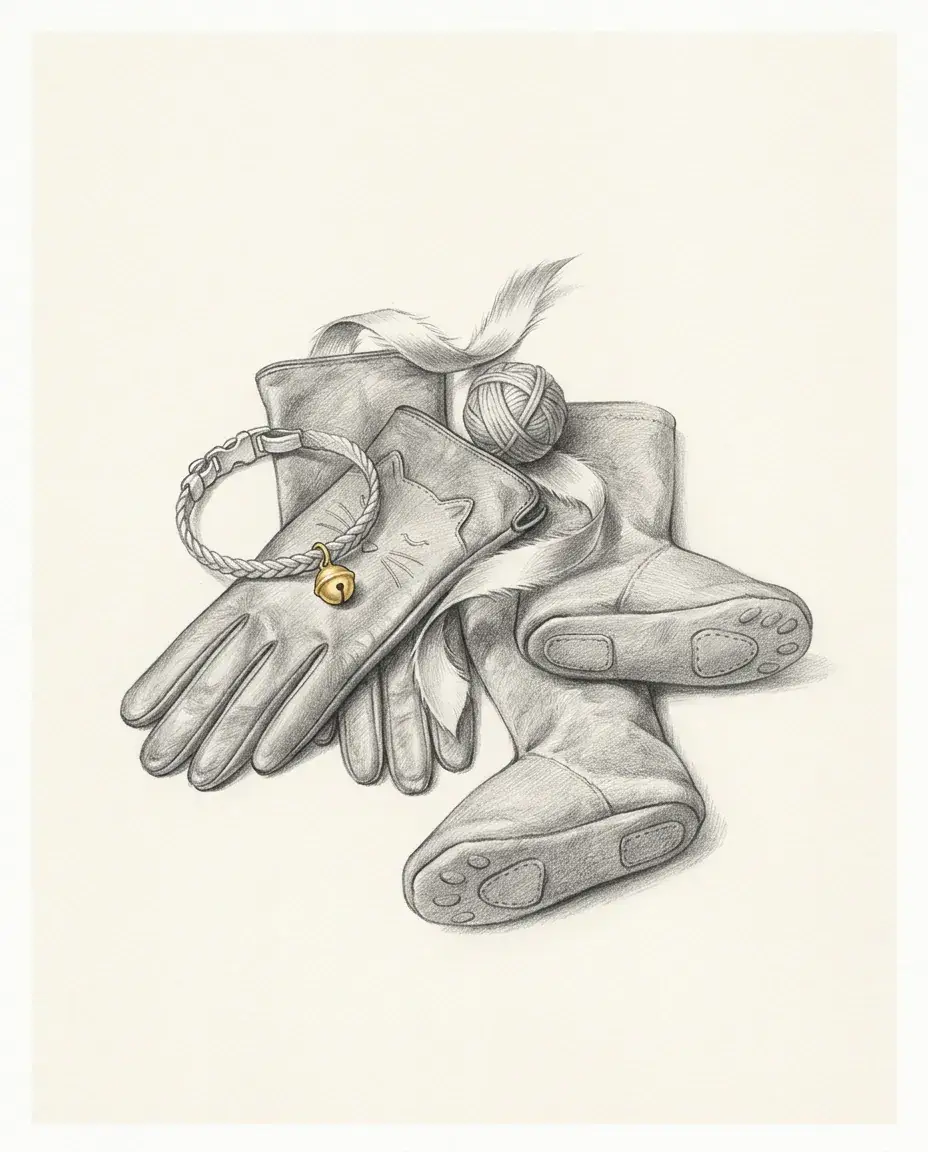
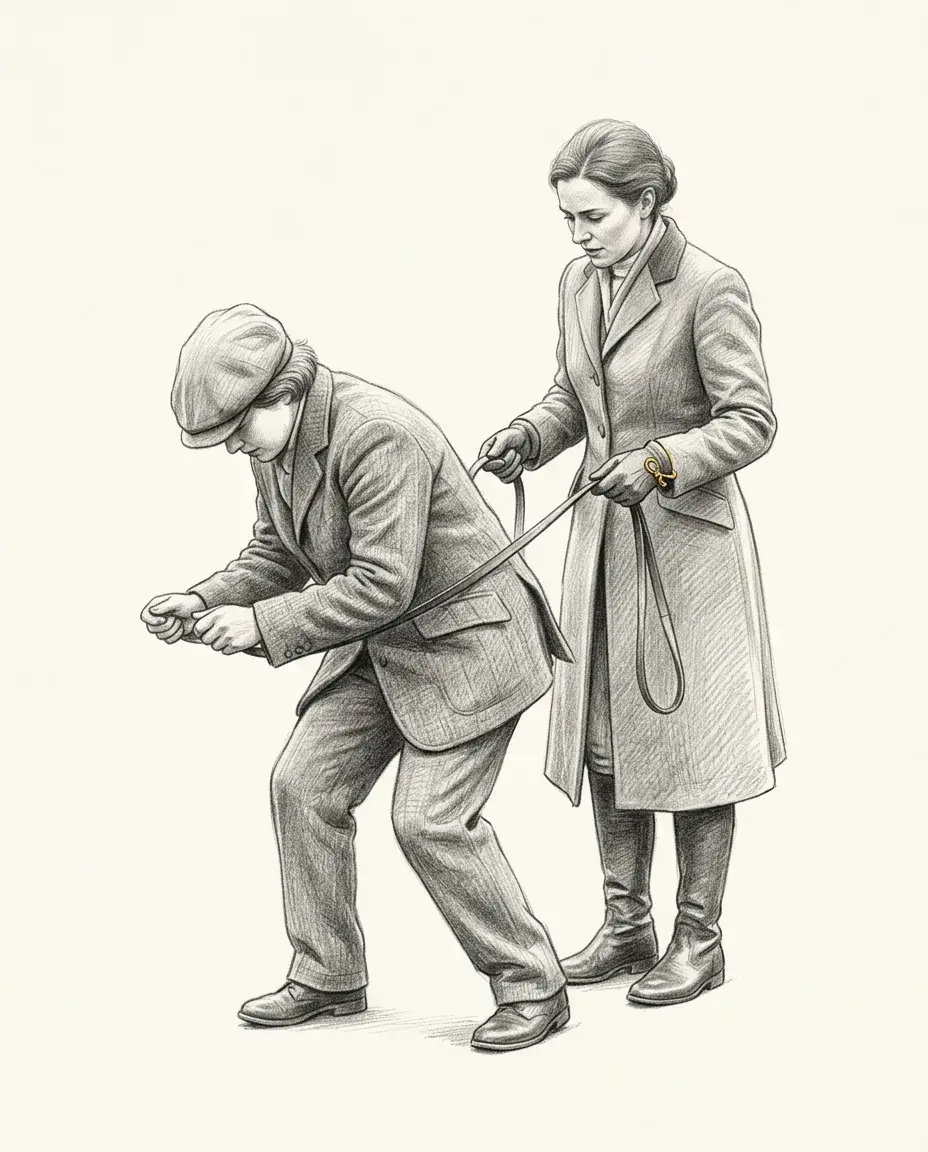
The roles come from different places. Human pup play grew up in the gay leather scene and has its own gear, hoods, mitts and tails, and its own events; kitten play is softer, domestic, often non-sexual, and closer to the caregiver dynamics of age play; pony play is the oldest and the most equipment-heavy, with tack, bits and carts, and a handler rather than an owner. Hucow, the dairy-cow persona overseen by a farmer, is the newest and the rarest, at an estimated 0.3 percent.
What the collection gathers
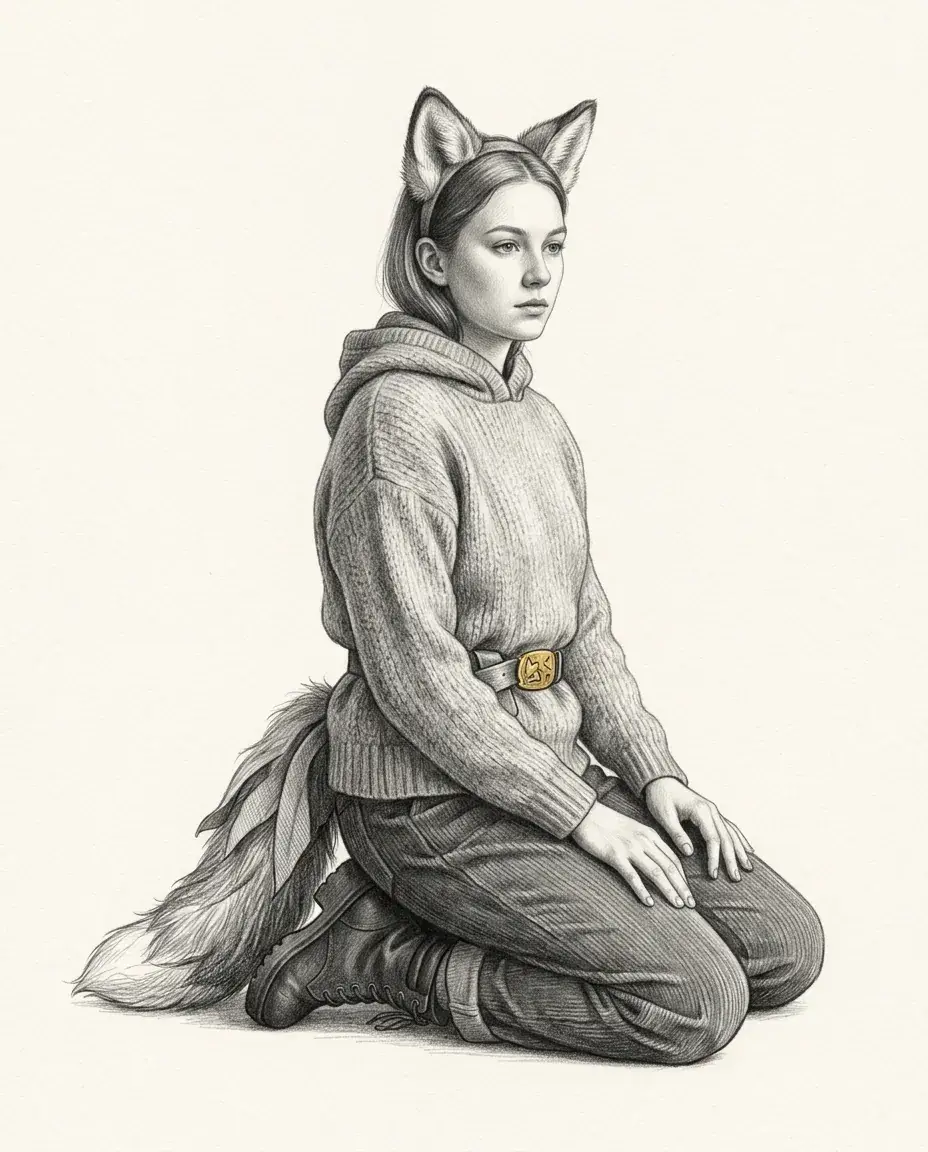
Pet play is one practice with several animals, and the catalog files it once as the umbrella and again for each animal because readers search by animal. Pet play and animal role-play are the umbrella pair, the second carrying the clinical label zoomimetic role-play; pup, kitten, pony and hucow are the roles. Kemonomimi, the drawn catgirl with ears and a tail, is listed here and in Fantasy, Fiction and Fandom because the ears are the same and the practice is not: one is an aesthetic, the other a headspace.
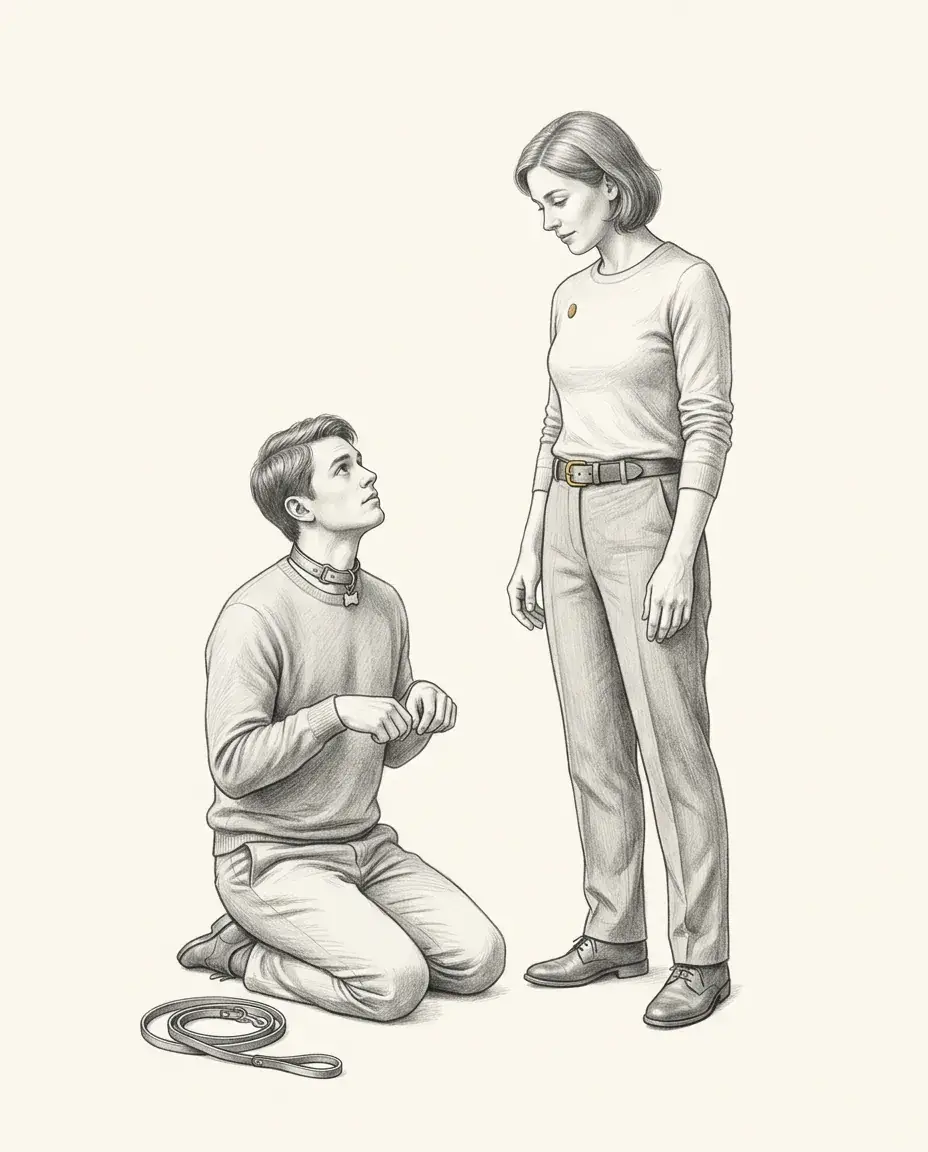
Collaring leads the collection at rank 44 and an estimated 5 percent, well above any of the animal roles, because a collar means the same thing across BDSM: a negotiated symbol of ownership, commitment or protection, put on in a moment that some couples treat as a ceremony. It is shared with the BDSM collection for that reason.
Where its edges are
Primal play is in the collection and is not pet play. In a primal scene partners drop social restraint and act from an instinctual, animal register, chasing, growling, wrestling, without adopting a species or a persona; there is no owner, and usually no gear. The two are filed together because a reader who finds one will ask about the other, and the FAQ below draws the line.
The furry fandom is the other neighbour, and the difference is the direction of the animal. A pet player becomes an animal for a partner, inside a scene; a furry creates an anthropomorphic character and wears it for a community, and the fandom's own surveys put the sexual share of the interest well below what outsiders assume. Animal role-play and human pup play sit in both collections, and their pages say which register they are describing.
How the ranking reads
Three of the nine are common, an estimated 2 to 5 percent, four are uncommon and two are rare. Pet play itself, at rank 114 and 2.5 percent, is more widely reported than any single animal, which is the pattern of an umbrella term: people report the practice before they report the species. Pony play, the most elaborate, is the rarest of the classic three, at 0.4 percent, and its history runs from the medieval tale of Phyllis riding Aristotle to John Willie's Bizarre magazine in the 1940s, the source of the tack-and-handler imagery the practice still uses.
Common questions
Are animals involved in pet play?
None are. Every role here is played by a consenting adult human: pet play borrows the manner of an animal, never the animal. The gear (a collar, ears, a tail, mitts) is made for people, and scenes are structured like any other role-play. Confusion with interests directed at real animals is the most common misreading of this collection, and the two share nothing.
Is pet play always sexual?
Frequently it is not. Practitioners often describe kitten play or human pup play primarily as a headspace: a period of reduced responsibility, simplified communication and physical affection, sometimes in social settings such as a munch or a convention where nothing sexual takes place. It can also form part of an erotic dynamic. Which of the two it is varies by person and by occasion.
How do pup, kitten and pony roles differ?
Mostly in the temperament borrowed and the structure that follows from it. Human pup play tends toward energy, play and pack behaviour; kitten play toward aloofness, comfort-seeking and attention on the pet's terms; pony play is the most formal, with tack, gaits and training drills closer to an equestrian discipline than to a pet dynamic. Animal role-play is the umbrella term.
What does the collar do in pet play?
It works as a switch as much as a costume. Many practitioners treat putting it on and taking it off as the boundary of the role, which gives both partners an unambiguous signal for entering and leaving character. Practical rules follow from that: a leashed person is never left alone, and pressure on the neck is avoided entirely, so collaring gear is chosen to release under load.
Is primal play the same as pet play?
No, and the difference is the persona. Primal play sets aside language and planning in favour of instinct, chasing, wrestling and biting, without adopting a character. Pet play keeps a defined role that a handler responds to. They overlap in vocabulary and sometimes inside a single scene, but a primal partner is not playing a pet, and a pet is not necessarily feral.