Vinyl Record Collecting
Added 21 Jun 2026 · Updated 7 Sep 2026
A non-sexual enthusiasm for collecting, curating, and listening to vinyl records, valuing the analog format's sound, sleeve art, ritual, and physicality. It blends consumer culture, music fandom, and sensory satisfaction.
- Prevalence
- Common
- Category
- Non-Sexual Fetishism
- Domain
- Non-sexual interest
- Confidence
- Medium confidence
- Status
- Not a disorder; a mainstream hobby. Excessive acquisition may rarely overlap with compulsive buying.
- Also known as
- Vinyl Record Fixation (Analog Media Collecting), vinyl collecting, record collecting, crate digging, vinyl junkie, analog media collecting
- Added
- 21 Jun 2026
- Updated
- 7 Sep 2026
Featured in
Overview
Vinyl record collecting is an absorbed, non-sexual interest in acquiring, playing, and curating LPs and singles. It is best understood as a colloquial "object fetishism" in the everyday sense: a deep attachment to a tangible music format prized for its sleeve art, the ritual of play, and the warm character many listeners attribute to analog sound. This article traces the hobby's documented lineage, how it is practised, the psychology of the collector, and its present-day cultural footprint. It is a mainstream pastime and a facet of consumer culture, not a clinical condition.
Examples
What the interest covers. Digging through second-hand bins, charity shops, fairs and shop back rooms for something unplanned; hunting a particular first pressing, a coloured variant or a limited Record Store Day edition; building and cataloguing a shelved library and grading its condition against the resale market; the DJ-and-producer strand of digging for breakbeats and samples; maintaining the hardware the format demands, turntables, cartridges and styli; and, at its most ordinary, buying a repressing of an album the same person already streams, because the sleeve and the ritual are the point.
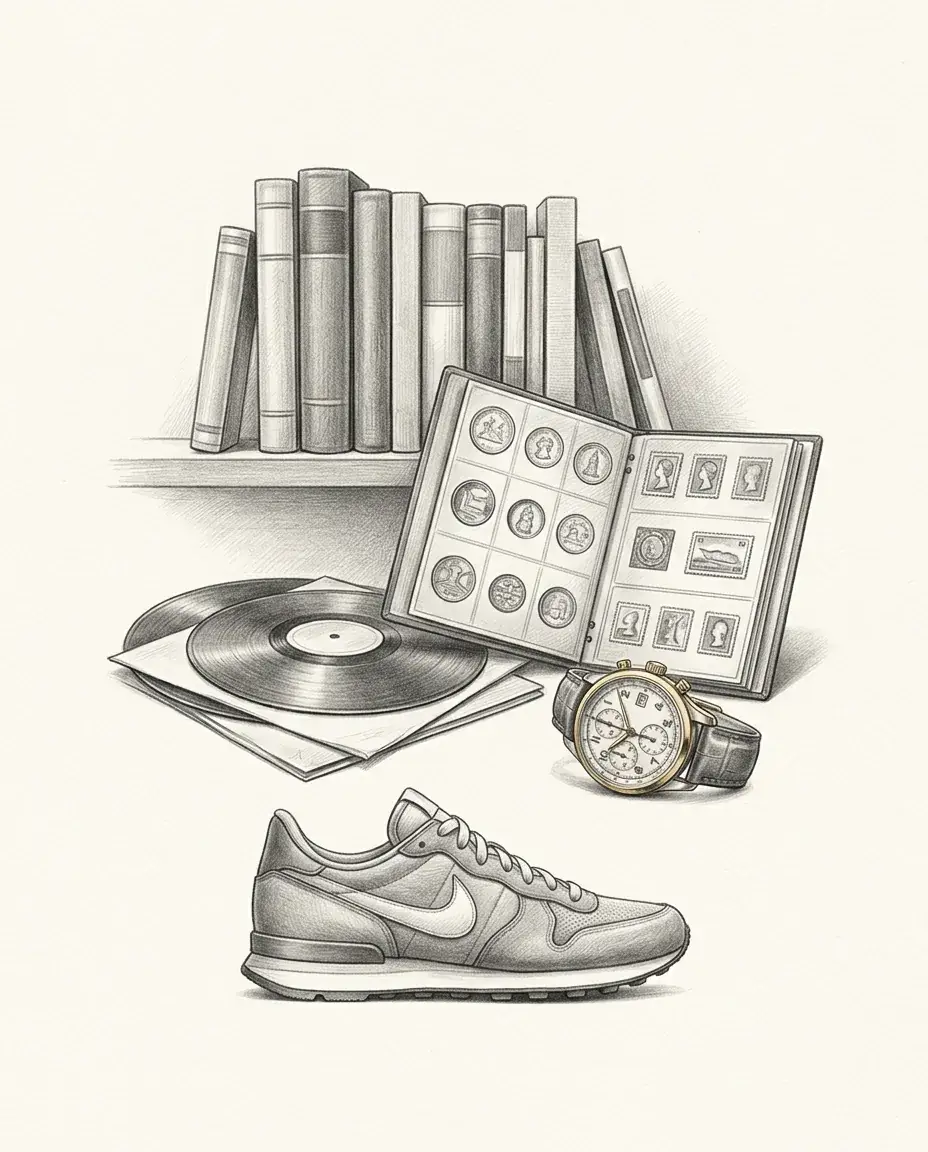
What the interest does not cover. Audiophilia is devotion to playback equipment and fidelity, an overlapping crowd but a different object of attention, since plenty of audiophiles never buy records and plenty of collectors play theirs on modest gear. Collecting in general, and its neighbours coin and stamp collecting, postcard collecting, antiquing and watch collecting, share the acquisition drive but not the medium. Compulsive hoarding and compulsive shopping are clinical conditions; an organised, curated, genuinely used collection is not one, however large it grows.
How the word is used. The register is hobbyist, not clinical. Collectors talk about pressings, variants and condition grades, describe a good afternoon as crate digging, and call themselves vinyl junkies with some affection. The word "fetish" attached to this entry's category is the everyday one (an intense attachment to an object, the same non-sexual sense that gives economics commodity fetishism), and carries no sexual meaning whatever. Record collecting appears in no psychiatric manual; its only clinically named neighbour is compulsive buying, which describes a different problem.
Militaria collecting, plangonology, conchology and phillumeny are the same drive with medals, dolls, shells and matchbooks in the crates, and each has its own societies, shows and grading vocabulary.
History & origins
The object of the hobby
The collectible itself has a precise technological lineage. The flat disc record was pioneered by Emile Berliner, whose gramophone and lateral-cut discs in the 1890s gradually displaced Thomas Edison's earlier wax cylinder. For half a century the dominant medium was the brittle 78 rpm shellac disc. The modern collectible, the vinyl long-playing (LP) microgroove record spinning at 33⅓ rpm, was introduced by Columbia Records in 1948, followed in 1949 by RCA Victor's 7-inch 45 rpm single. Together these formats defined how recorded music was consumed for the next four decades and gave the hobby its two staple artefacts: the album and the single.
Cultural & subcultural evolution
Record collecting matured into a recognised subculture alongside the postwar record industry, developing its own price guides, specialist shops, fairs, and grading vocabulary across the jazz, rock, soul, and reggae eras. A distinct strand, "crate digging", emerged in the 1970s and 1980s as hip-hop DJs and producers (the lineage runs through figures such as Kool Herc, Afrika Bambaataa and Grandmaster Flash) rummaged second-hand bins for breakbeats and obscure samples, elevating obsessive record-hunting into an art form.
- 1890s: Berliner's disc gramophone establishes the flat record.
- 1948: Columbia introduces the 33⅓ rpm vinyl LP.
- 1949: RCA Victor introduces the 45 rpm single.
- 1970s–80s: crate digging becomes central to hip-hop sampling culture.
- late 1980s: the compact disc eclipses vinyl commercially, but collectors and DJs keep the format alive.
- 2007–08: Record Store Day launches, anchoring the modern revival.
- 2022–24: vinyl outsells CDs by unit in the US three years running.
The vinyl revival
From the mid-2000s a sustained vinyl revival took hold. It was crystallised by the founding of Record Store Day, conceived by independent-store owners in Baltimore in 2007 and first held on 19 April 2008, which gave the format an annual cultural focal point and a steady stream of limited pressings. Sales then climbed year after year. According to the RIAA, vinyl albums outsold CDs by unit in the United States in 2022 (41 million vs. 33 million) for the first time since 1987. The gap widened in 2023 (43 million vs. 37 million) and again in 2024, when vinyl reached 44 million units against 33 million CDs and posted its 18th consecutive year of growth, its highest revenue since 1984. The run of milestones confirms the format's shift from nostalgia object to a durable mainstream market.
In practice
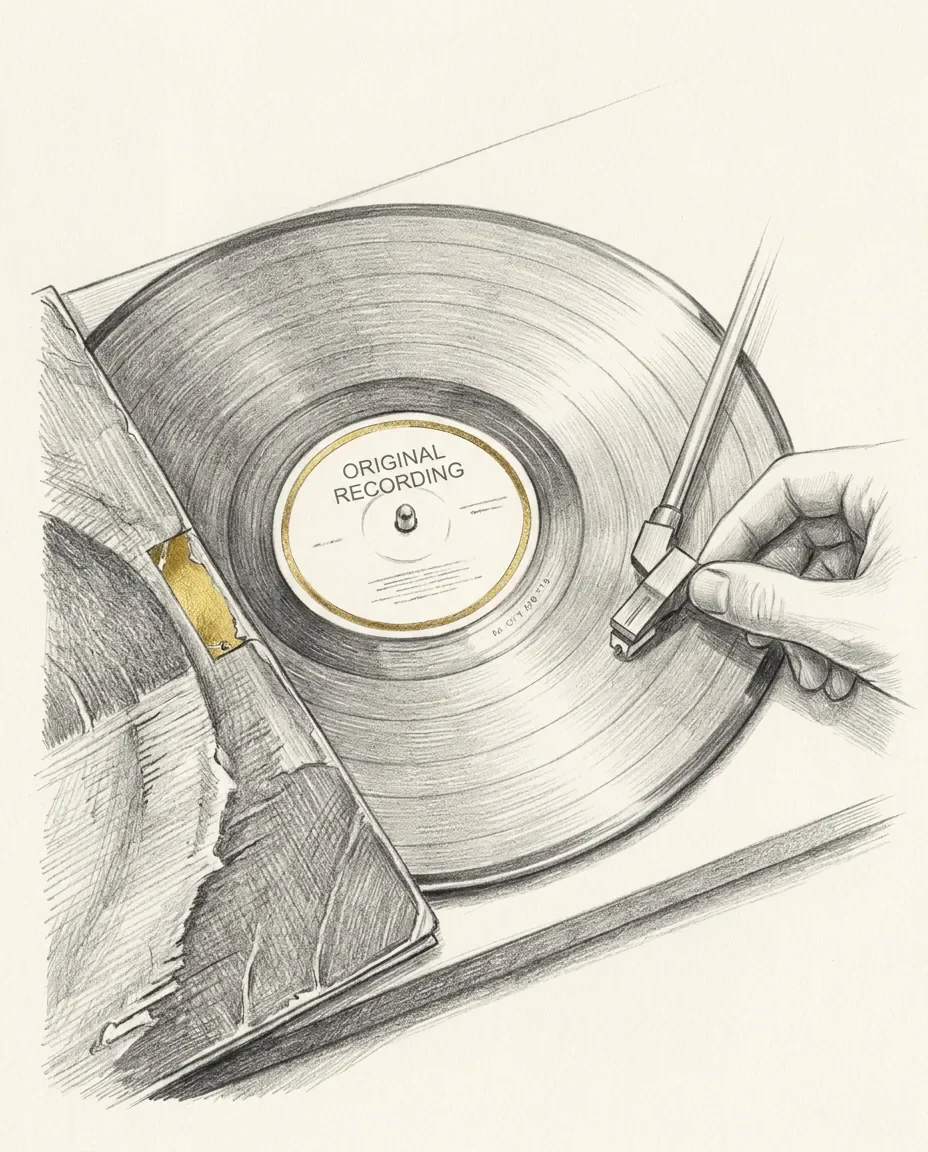
The interest is expressed through crate digging in shops, fairs, and charity bins; building and meticulously organising a library; hunting first pressings, coloured variants, and limited editions; and restoring or fine-tuning turntables, cartridges, and styli. Many enthusiasts value the deliberate, attentive listening the format encourages (choosing a side, cleaning the disc, dropping the needle) as much as the music itself. Sleeve art, liner notes, and the tactile object are central to the appeal.
Psychology
The appeal blends several familiar, non-pathological drives that overlap with other forms of collecting: the collector's pursuit of completeness, rarity, and mastery; nostalgia and a sense of musical heritage; identity and taste signalling through one's shelves; and a preference for physical, ownable media over disembodied streaming. The effort of playing a record is not a drawback but part of the reward: the ritual reinforces engagement, much as the ownership of any prized tangible object (compare a handbag fetish in the lay, non-sexual sense) can carry meaning beyond pure function.
Prevalence & culture
Cultural visibility is high. The revival is supported by a global network of independent shops, twice-yearly Record Store Day events, prominent reissue programmes, and large online communities devoted to grading, trading, and discographies (the Discogs database alone catalogues many millions of releases). Participation now skews notably toward music-engaged younger adults alongside lifelong collectors, and vinyl has become a recurring presence in mainstream music retail rather than a fringe pursuit. The figures above are drawn from industry sales reporting rather than from any clinical prevalence study, since the hobby is not a clinical phenomenon.
Safety, consent & law
The activity is entirely legal and harmless. Practical considerations are ordinary consumer ones: condition grading and authenticity strongly affect value, counterfeit pressings exist in the resale market, and acquisition can occasionally become excessive: overlapping, in rare cases, with compulsive buying. The hobby itself raises no consent or legal concerns.
Common questions
Is vinyl record collecting a fetish in the sexual sense?
No. It appears in this catalog under non-sexual fetishism, where "fetish" carries its everyday meaning of an intense attachment to a particular class of object, the sense used of car enthusiasts, watch collectors and book hoarders. Nothing about record collecting is sexual, and no clinical literature treats it as such. It is a mainstream hobby with a large, visible and entirely ordinary international community.
Does vinyl actually sound better than streaming or CD?
Not in any measurable sense that settles the argument, and most collectors are not really making that claim. Listeners describe analog playback as warmer or more characterful, which is partly a genuine property of the format's limitations and partly familiarity. The more honest answer is that fidelity is rarely the reason people collect: sleeve art, liner notes, the physical object and the deliberate act of choosing a side and dropping the needle do most of the work.
Why are younger listeners buying vinyl?
Mostly for what streaming cannot supply: something to own, hold, shelve and display, artwork at a size worth looking at, and a purchase that visibly supports an artist. Limited pressings and coloured variants add collectability, and the ritual of playing a side encourages the kind of attentive, uninterrupted listening a shuffle queue discourages. Many buyers stream the same albums daily and buy the record anyway, which tells you the object is the point.
How do you start a record collection?
Buy a turntable that will not damage what you play on it, then start with music you already love rather than with whatever looks collectable. Second-hand bins, charity shops and record fairs cost far less than the specialist market and are where most collections actually come from. Check discs for warps, deep scratches and heavy scuffing before buying, since condition affects both sound and resale value more than almost anything else, and keep records sleeved and stored upright.
Do records wear out from being played?
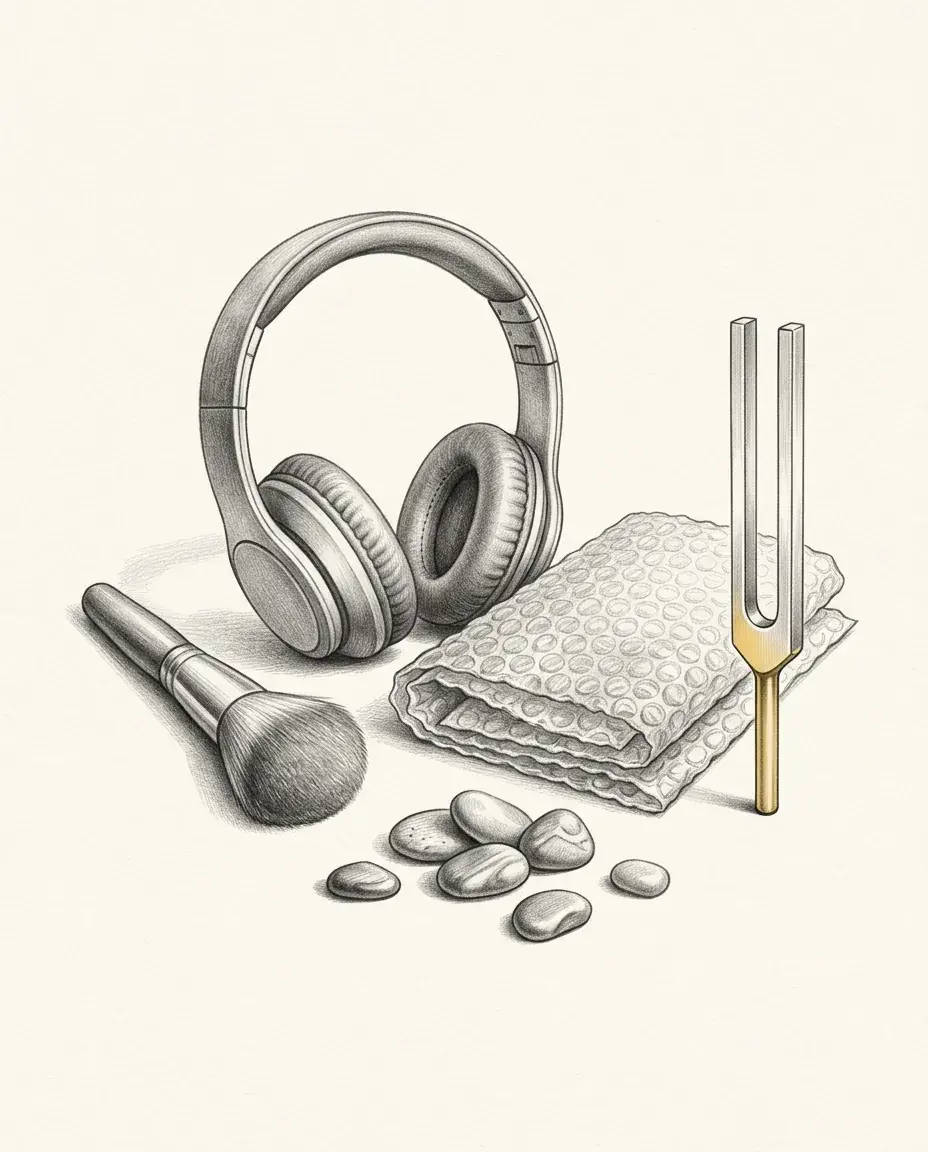
Slowly, yes: every play drags a stylus through the groove, and over many years that tells. In practice the disc is rarely what fails first. A worn or badly aligned stylus, dust ground into the groove, and careless handling do far more damage far faster than ordinary listening does. Replacing the stylus on schedule, cleaning discs, and storing them upright in inner sleeves will keep a record playable for decades.
When does record collecting become a problem?
When acquiring displaces everything else. The hobby is not a disorder and a large collection is not a symptom. The signals worth taking seriously are spending beyond means, buying compulsively rather than deliberately, secrecy or distress about purchases, and living space genuinely overwhelmed by unplayed stock. Those point toward compulsive buying or hoarding, which are recognised conditions with real treatment, and are worth raising with a clinician rather than with a record shop.
From the blog
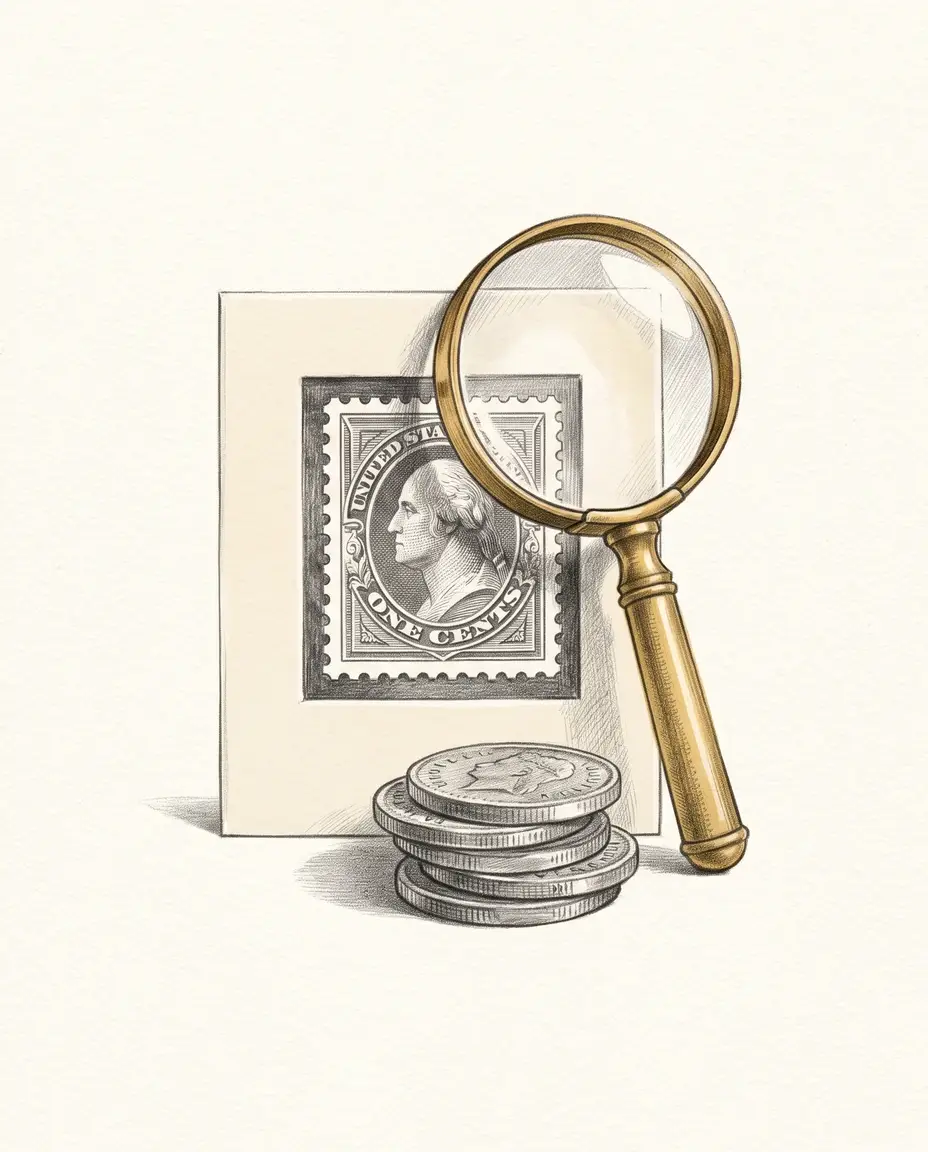
- Coin & Stamp Collecting38/100Non-Sexual FetishismA non-sexual, focused interest in acquiring, organizing, and studying coins, banknotes, and postage stamps (numismatics and philately). It centers on heritage, completeness, and the tactile and historical appeal of small physical artifacts.38
- Handbag Fetish38/100Non-Sexual FetishismA non-sexual, intense interest in acquiring and curating designer handbags, prized for craftsmanship, brand prestige, and status. It blends collecting, consumer culture, and identity signaling rather than any clinical condition.38
- Brand Worship44/100Non-Sexual FetishismA non-sexual fixation on brands, logos, and designer labels, in which the brand itself becomes a source of identity, status, and emotional attachment. Branded goods are valued largely for their symbolic and signalling power rather than their function.44
- Hyperphantasia43/100Hyperphantasia · Non-Sexual FetishismA cognitive trait marked by extremely vivid, involuntary-feeling mental imagery, sometimes described as being nearly as clear as actual sight. It sits at the opposite end of the visualization spectrum from aphantasia.43
- Conchology42/100Non-Sexual FetishismThe study and collecting of mollusc shells, from beach finds to systematic collections with locality data. One of the oldest collecting hobbies on record and the one that shades into natural science. Non-sexual, with its own societies and shows.42
- Militaria Collecting42/100Non-Sexual FetishismA non-sexual enthusiasm for acquiring, researching and preserving military objects: medals, uniforms, headgear, insignia, deactivated weapons and documents. One of the oldest organised collecting fields, with its own dealers, auction houses and societies.42
collecting · consumer culture · sensory satisfaction
Prevalence is computed from the entry's cited population estimate. Rows marked ESTare indicative editorial estimates scored against a fixed anchor rubric, not measured quantities. Method & anchors: methodology.
Common · ≈ 1 in 20
- 01Google Trends, relative search interest (search-interest proxy)sustained search interest in vinyl collecting reflecting a sizable mainstream hobbyist base
- 02An A–Z of Kinks and Fetishes, Glamourlay framing of non-sexual collecting/consumer-culture fixations
- 03LP record, Wikipediahistory of the vinyl LP format introduced by Columbia in 1948, the 45 rpm single, and the modern vinyl revival
- 04Emile Berliner, WikipediaBerliner's gramophone and lateral-cut flat disc in the 1890s, which established the disc record over Edison's cylinder
- 05Vinyl revival, Wikipediathe mid-2000s onward revival of vinyl as a mainstream format
- 06Record Store Day, WikipediaRecord Store Day conceived by independent-store owners in Baltimore in 2007 and first held 19 April 2008
- 07Crate digging, Wikipediacrate digging as a record-hunting subculture rooted in 1970s-80s hip-hop sampling
- 08Compact disc, Wikipediathe CD eclipsing vinyl commercially in the late 1980s
- 09Compulsive buying disorder, Wikipediathe rare case where excessive acquisition overlaps with compulsive buying
- 10Year-End 2022 RIAA Revenue Statistics (PDF)vinyl albums outsold CDs by unit in the US in 2022 (41M vs 33M), first time since 1987
- 11RIAA 2024 Year-End Revenue Report (PDF)vinyl outsold CDs by unit a third straight year in 2024 (44M vs 33M) and logged its 18th consecutive year of growth, highest revenue since 1984