Loading the index…
Sensory & ASMR
The interests wired to sensation rather than sex: ASMR and frisson, sound sensitivities such as misophonia, texture and 'oddly satisfying' fixations, and neurological crossovers like synesthesia. A calm, clinical map of how the everyday senses become a source of fascination.
11 entriesAbout this collection ↓

About this collection
The eleven entries here are wired to sensation rather than sex, and all of them are marked non-sexual. ASMR, the tingling that starts on the scalp in response to soft sounds and close attention, leads the collection at rank 23 and an estimated 20 percent of adults, one of only a handful of non-sexual entries in the catalog's ultra-common tier. Around it are the other ways the everyday senses become a source of fascination, or of distress: frisson, misophonia, synesthesia, the pull of a satisfying texture.
The vocabulary is recent. ASMR was coined in 2010 by Jennifer Allen in an online forum, and the entry records how a private sensation with no name became a media genre within a decade; misophonia was proposed by the audiologists Pawel and Margaret Jastreboff in 2001. The catalog files them beside older words, synaesthesia and frisson, because a reader who has one of these experiences and no word for it will find the word here.
What the collection gathers
Pleasures on one side, sensitivities on the other, and two traits that are neither. The pleasures are ASMR, frisson, the chills a piece of music sends down the spine, oddly satisfying, the calm of order and smoothness that a whole video genre is built on, and texture fixation, the enjoyment of handling a particular surface. Frisson and oddly satisfying each sit at an estimated 16 percent, texture fixation at 13; these are majority-adjacent experiences with a small vocabulary.
Misophonia is the sensitivity: specific repeated sounds, chewing above all, provoking disproportionate anger or disgust. It ranks 78th at an estimated 6 percent and is the one entry here that describes suffering rather than pleasure, and the FAQ below takes the question of why ordinary sounds do it. Synesthesia and hyperphantasia are the traits: one sense triggering another, and mental imagery vivid enough to feel like sight. Neither is a preference, and the entries say so.
Where its edges are
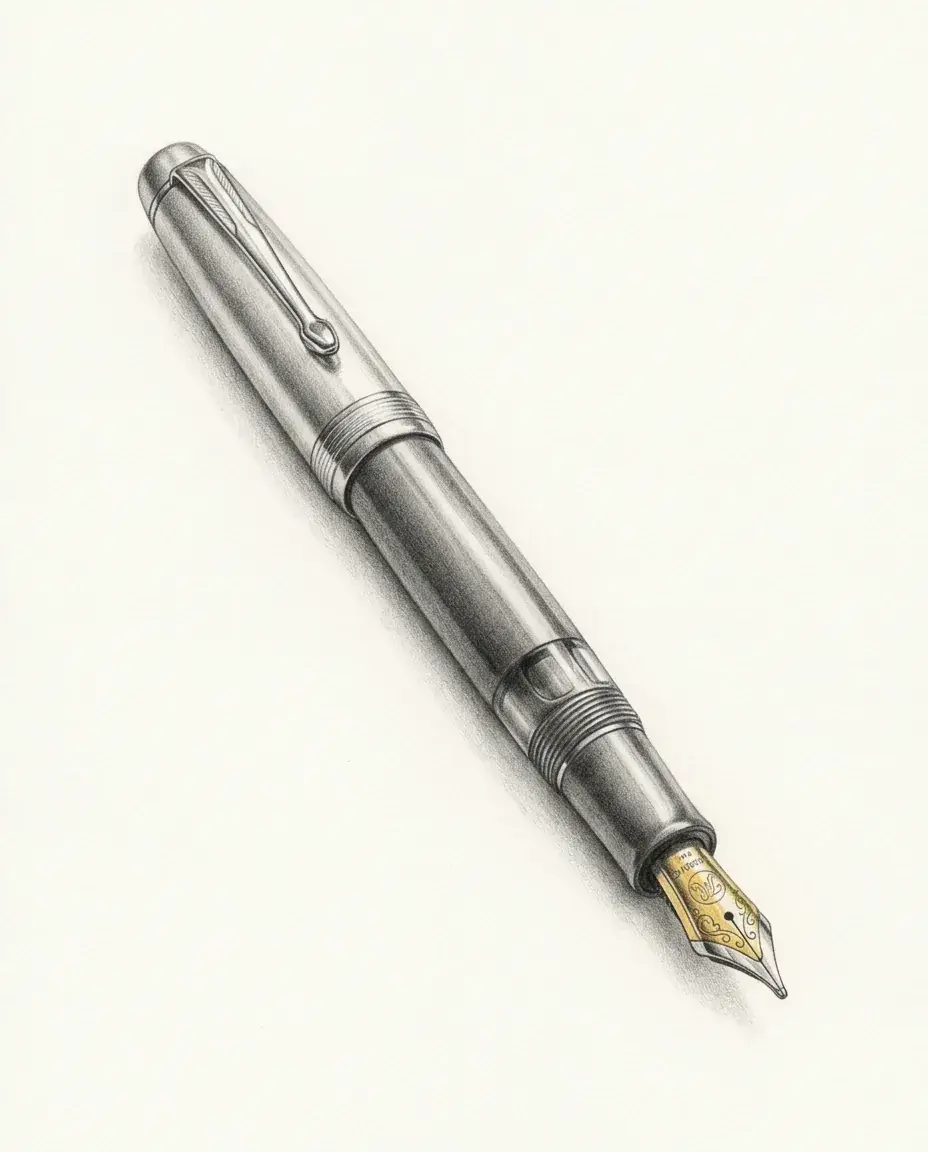
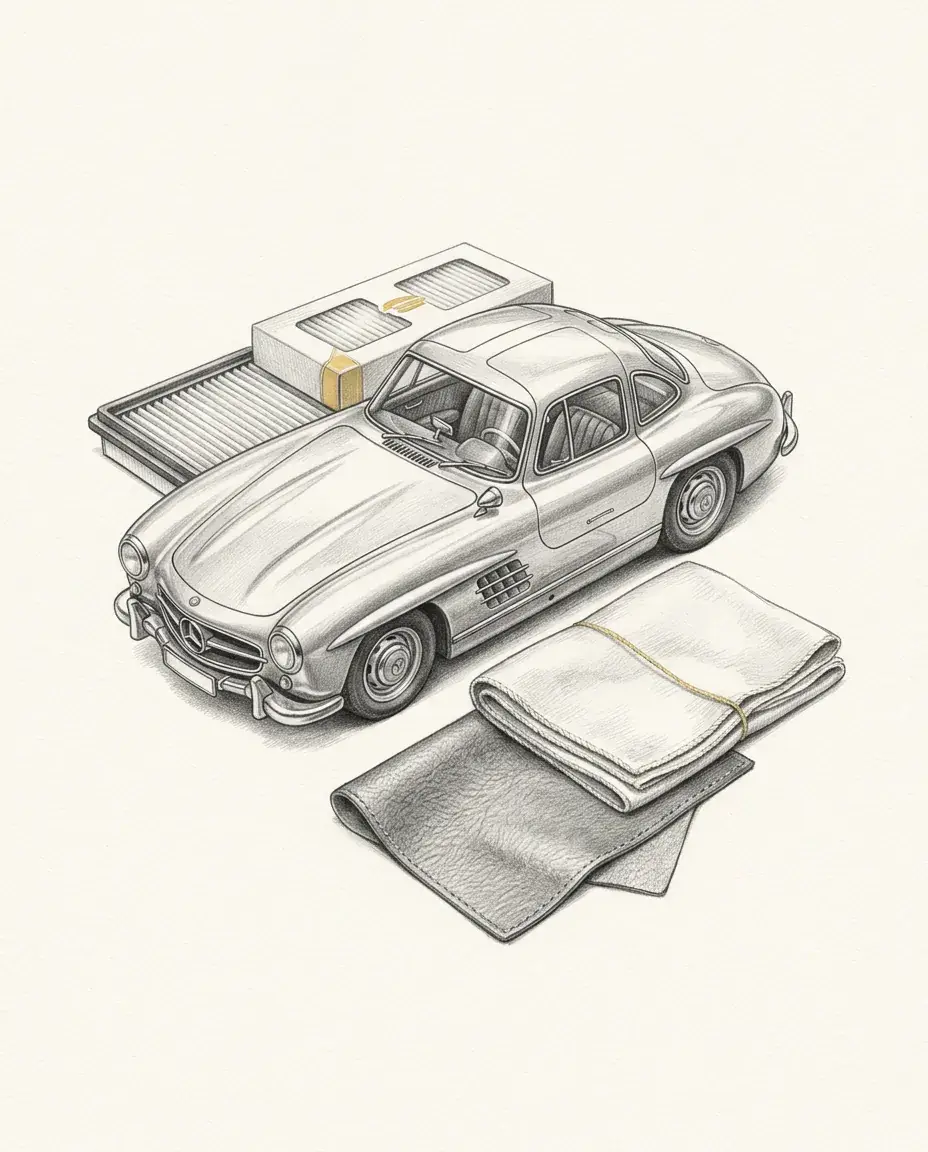
Three entries are shared with Collecting and acquisition, and the FAQ below explains what a record collection or a fountain pen has to do with a tingle: vinyl record collecting, audiophilia and the stationery fetish are collected as much for how the object sounds and feels as for what it is worth. New car smell, at an estimated 15 percent, is the scent form of the same thing, a fondness for the smell of new manufactured goods.
The edge the collection draws hardest is the one in its lead entry's name. ASMR is not sexual, and the FAQ says so first, because the whispering, the close attention and the intimacy of the genre invite the assumption. The catalog's answer rests on the research: the response is relaxation, the triggers are care and softness, and the community that built the genre has said for fifteen years that the reading is wrong.
How the ranking reads
One entry is ultra-common, four are very common and six are common. Nothing here is rare, and the collection is the most widely reported in the catalog after BDSM and roleplay, which records something about the senses: the experiences here are ordinary, and the words for them are new enough that people are still looking them up.
Common questions
Is ASMR sexual?
For most people it is not. ASMR describes a tingling that starts at the scalp in response to quiet, close, attentive sounds, and the reported effect is calming, frequently to the point of sleep. It appears in this catalog because it is a sensory fixation, which is the organising idea of this collection, and not because it belongs to anyone's sex life.
How is ASMR different from frisson?
Duration and trigger. ASMR builds slowly from whispering, tapping or close personal attention, and can last as long as the sound does. Frisson is a brief involuntary shiver, usually with goosebumps, set off by a peak in music or a sudden emotional turn. People who reliably get one often get nothing from the other.
Why do ordinary sounds like chewing provoke anger in some people?
That is misophonia, and the reaction is autonomic rather than a question of patience: specific repetitive sounds, usually produced by other people, set off a fight-or-flight response with a genuine physical component. It has no standalone entry in the major diagnostic manuals, which leaves people describing a real and disruptive condition without a name that carries weight.
Why are oddly satisfying videos so compelling?
Oddly satisfying material works on completion and predictability: a surface being smoothed, a shape fitting exactly, a mess resolving. The pull is visual rather than auditory, which is why it holds an audience that feels nothing from whispering, and it sits close to texture fixation, where the surface itself matters more than the process.
Is synesthesia a preference or a way of perceiving?
It is perception, not preference. Synesthesia is an involuntary crossing of the senses, so that a letter carries a colour or a sound carries a taste, and it stays consistent across a lifetime rather than being chosen or acquired. It sits alongside hyperphantasia, unusually vivid mental imagery, as a variation in how the senses are wired.
What connects record collecting or stationery to any of this?
The common thread is material attention rather than sex. Vinyl, audiophilia and stationery are pursued for the quality of a surface, a sound or a smell, and the word fetish attaches to them in its older, non-sexual sense. New car smell is the plainest case: widely enjoyed, and nobody means anything by it.