A cross-cutting look at the acquisitive drive: the urge to hunt down, gather and hold on to things. It gathers collecting hobbies, connoisseur pursuits and the compulsive end of the spectrum (books, records, coins, watches and shopping itself), as non-sexual fixations documented without judgement.
Nothing in this collection is sexual, and the catalog says so on all 28 pages. Collecting and acquisition is the cross-cutting view of the acquisitive drive, the urge to hunt down, gather and keep, and it sits in the catalog for the same reason the Non-Sexual Fetishism family does: the word fetish has an older, non-erotic sense, an object credited with a power it was not made with, and a shelf of first editions or a drawer of watches is that sense in ordinary life.
The members run from hobby to diagnosis. Birdwatching leads at rank 32 and an estimated 9 percent of adults; compulsive hoarding, a named disorder in the DSM-5-TR, sits at rank 82; and animal hoarding, at the foot, is the point where the drive harms something other than a bank balance. The collection keeps the whole spectrum in one place because the spectrum is the finding.
The FAQ below draws the line the collection exists to draw: what separates a collector from an enthusiast, and when buying becomes compulsive. Compulsive shopping, compulsive hoarding, bibliomania and animal hoarding are the entries past that line, and their pages carry the clinical framing: hoarding disorder has DSM-5-TR criteria, compulsive buying is studied under several names, and the catalog documents both as conditions rather than hobbies.
The other edge is the word in the collection's own name. A "fetish" for sneakers or handbags is a fixation in the older sense, and the FAQ takes the question head on: none of these entries describes a sexual interest, and the catalog marks every one non-sexual on its page and on its card so a reader cannot mistake the sense.
How the ranking reads
Six entries are very common, an estimated 8 to 20 percent, seventeen are common, four uncommon and one rare. That is the most top-heavy distribution of any collection, and it is what a set of hobbies looks like: collecting, antiquing, car enthusiasm and tsundoku are things large minorities of adults do, and the specific hobbies below them are each a few percent. Vinyl record collecting and stationery also appear in Sensory and ASMR, because for many collectors the object is kept for how it feels and sounds rather than for its value.
Common questions
Why is collecting so absorbing?
Collectors point at the search more than the object: a defined set to complete, a hierarchy of rarity to learn, and a standing reason to keep looking. Antiquing and rockhounding make the hunt literal, while watch collecting and vinyl reward accumulated expertise. A finished collection is often described as a mild disappointment.
Is a 'fetish' for objects like watches or sneakers a sexual thing?
In these entries, no. English uses fetish loosely for any strong fixation, which is how tech fetish, gun fetish and stationery fetish acquired the name with no erotic component attached. They are catalogued here as non-sexual interests, and the sexual sense of the word is documented in an entirely separate part of the reference.
What separates a collector from an enthusiast?
Ownership. A collector accumulates objects, and the collection exists physically, as in coin and stamp collecting or deltiology, the collecting of postcards. An enthusiast may own nothing: birdwatching, trainspotting and plane spotting collect sightings, kept as a list, with the same completion logic and none of the storage.
What is tsundoku?
A Japanese word for buying books and letting them pile up unread. Tsundoku is treated affectionately rather than as a fault, since the stack is a record of intentions and the books stay in circulation in the owner's mind. Bibliomania names the harder version, where acquiring books outruns any relationship to reading them.
When does buying things become compulsive?
The signal is the cycle rather than the sum spent. Compulsive shopping is described as tension before a purchase and brief relief after it, with the item itself losing importance, often trailed by debt and concealment. That differs from hoarding, where the difficulty is discarding, and from animal hoarding, where the welfare of living creatures is at stake.
 66
66 59
59 57
57 57
57 57
57 56
56 55
55 53
53 50
50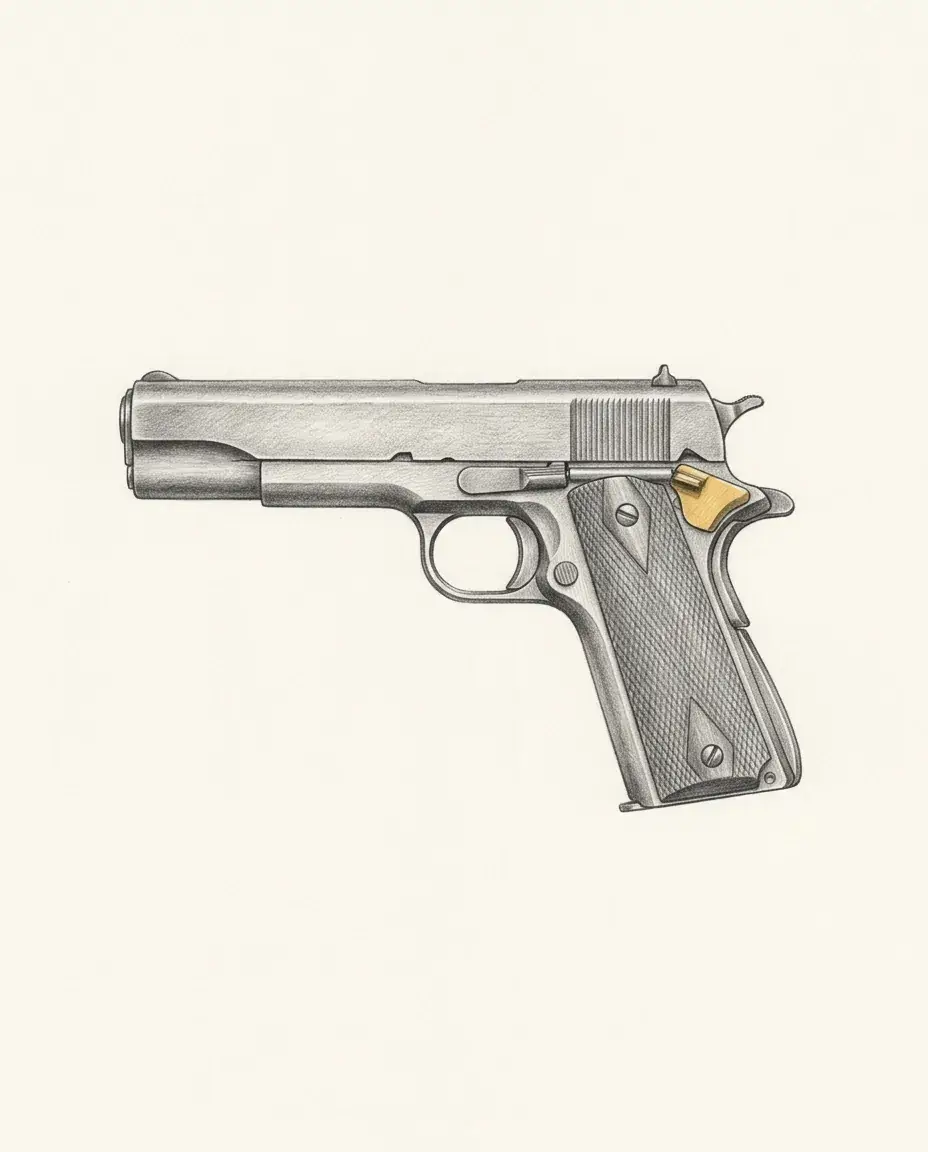 48
48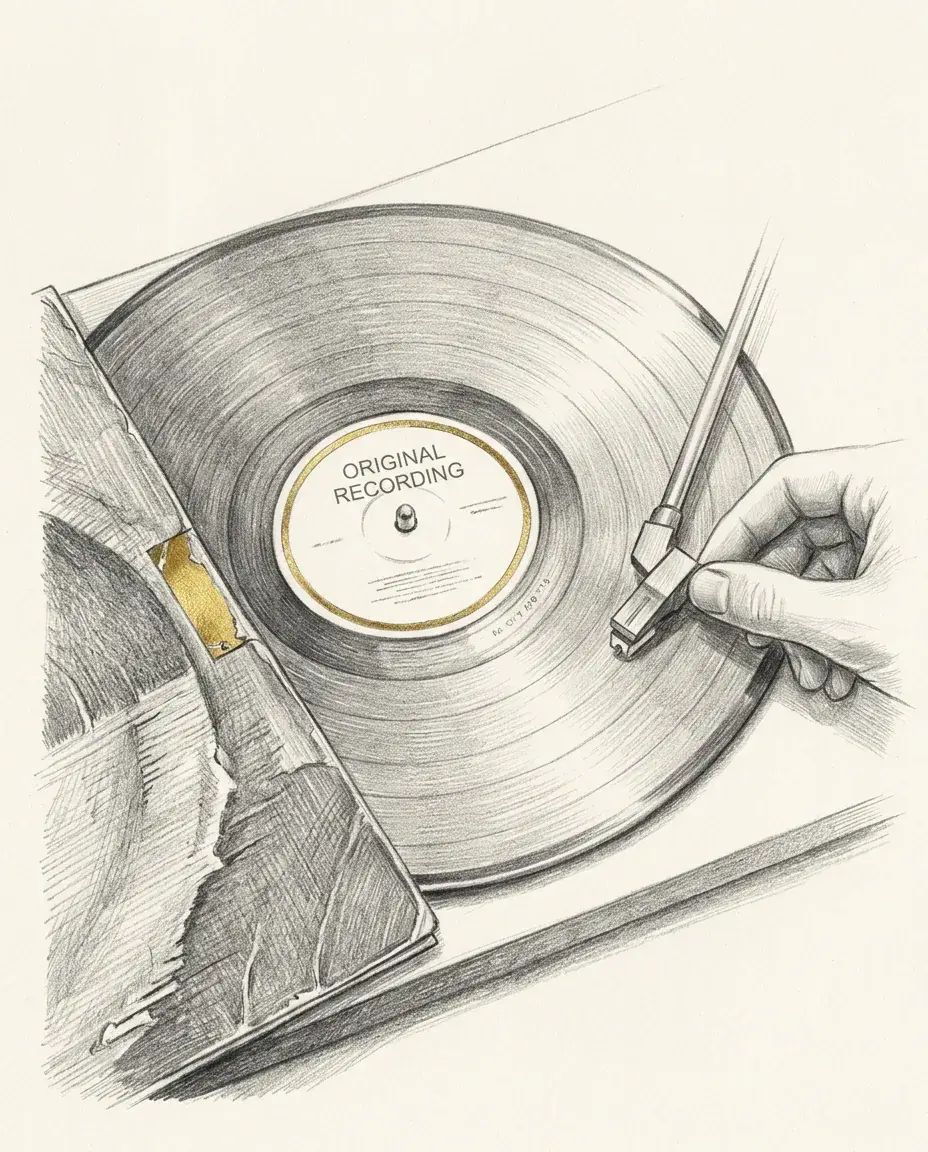 44
44 42
42 42
42 42
42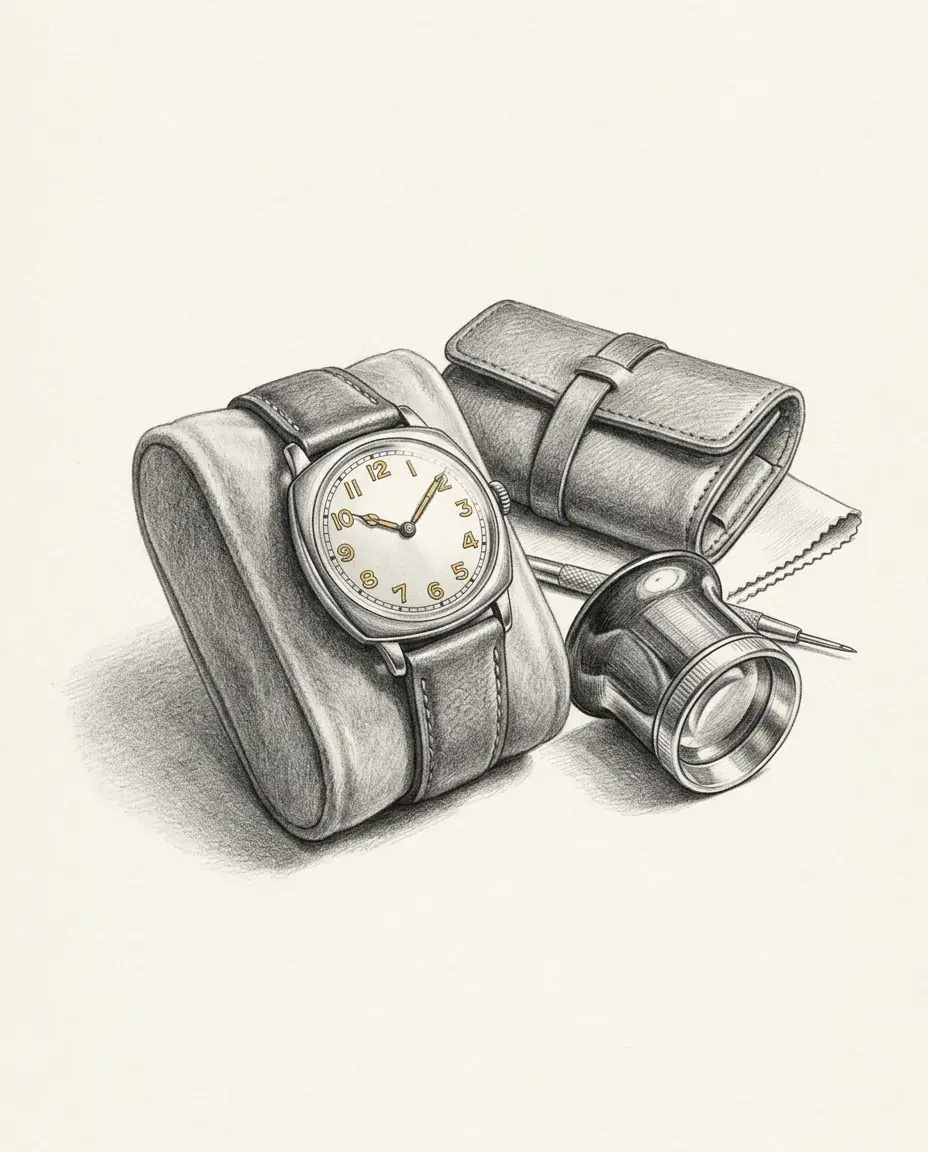 41
41 39
39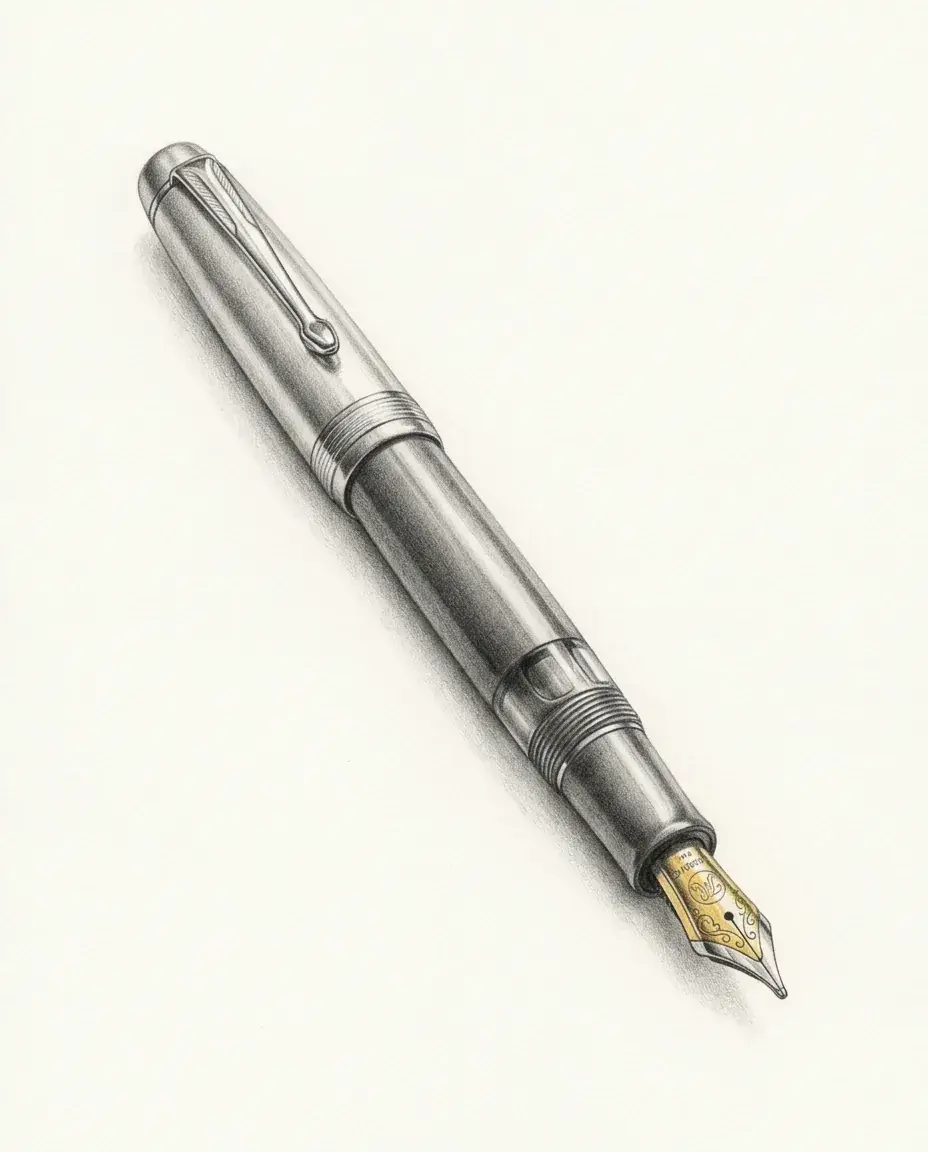 38
38 38
38 38
38 38
38 37
37 37
37 34
34 31
31