Loading the index…
Loading the index…
Medical play borrows the setting rather than the medicine: the examination room, the gown, the instrument tray and the asymmetry between someone who explains and someone who complies. It gathers the clinical role-play scenarios, the instrument-led sensation practices and the medically-adjacent paraphilias from across the catalog into one place, and keeps the safety framing that this kind of play genuinely needs.
7 entriesAbout this collection ↓
Medical play borrows the clinic without the medicine: the examination room, the gown, the tray of instruments, and the asymmetry between a person who explains and a person who complies. Seven entries, drawn from four families. The collection is kept small on purpose. The practices it gathers range from a costume to a sterile needle, and the safety framing changes at every step.
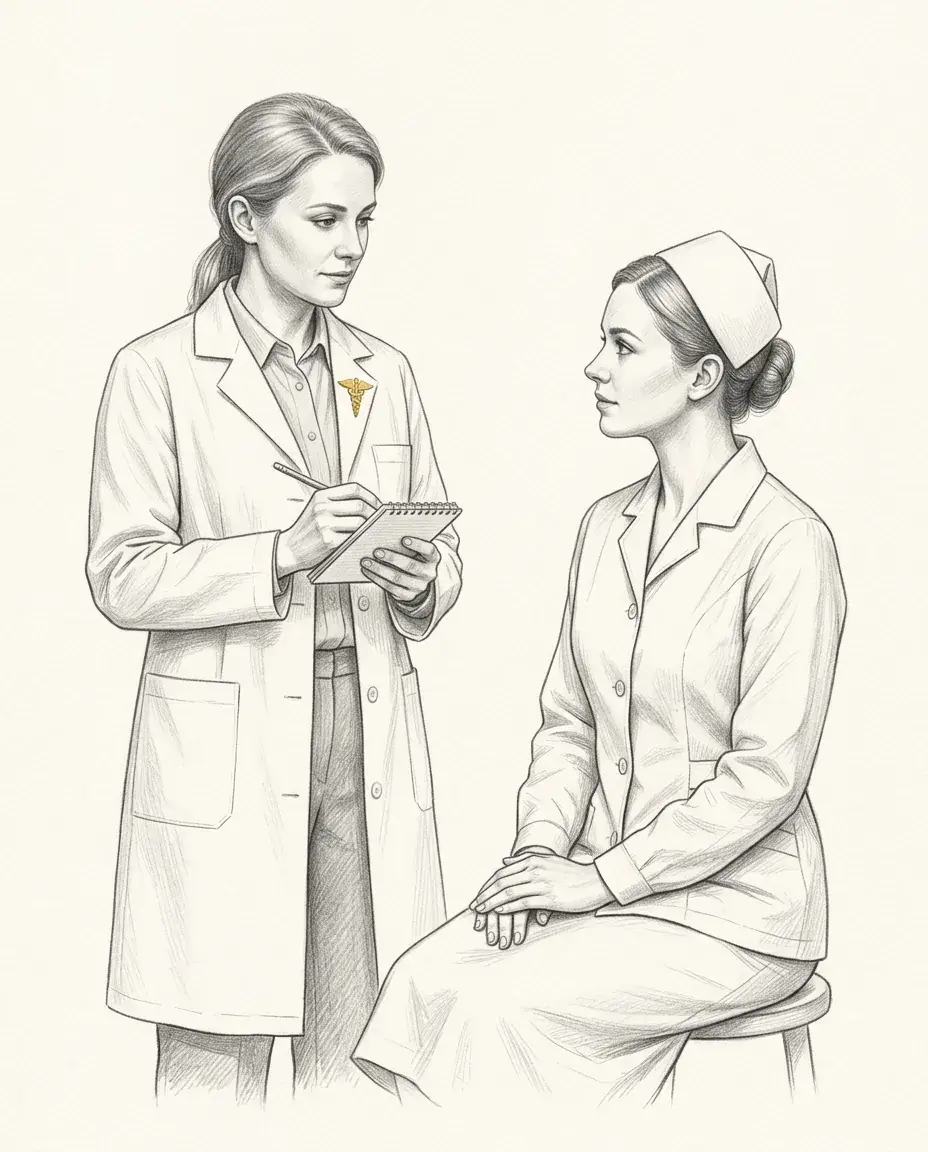
Doctor and nurse roleplay leads at rank 67 and an estimated 6 percent of adults, and medical setting kink, the room without the roles, follows at 5 percent. Everything below them is an instrument or a diagnosis, and the ranking falls quickly: needle play at 1 percent, sounding at 0.2, abasiophilia at a twentieth of a percent.
Three strands, and the collection's description names them: the scenarios, the instrument-led sensation practices, and the medically adjacent paraphilias. The scenarios are the two common entries, and they are filed in Roleplay and scenarios too, where the FAQ on why the doctor recurs alongside the teacher and the boss sits.
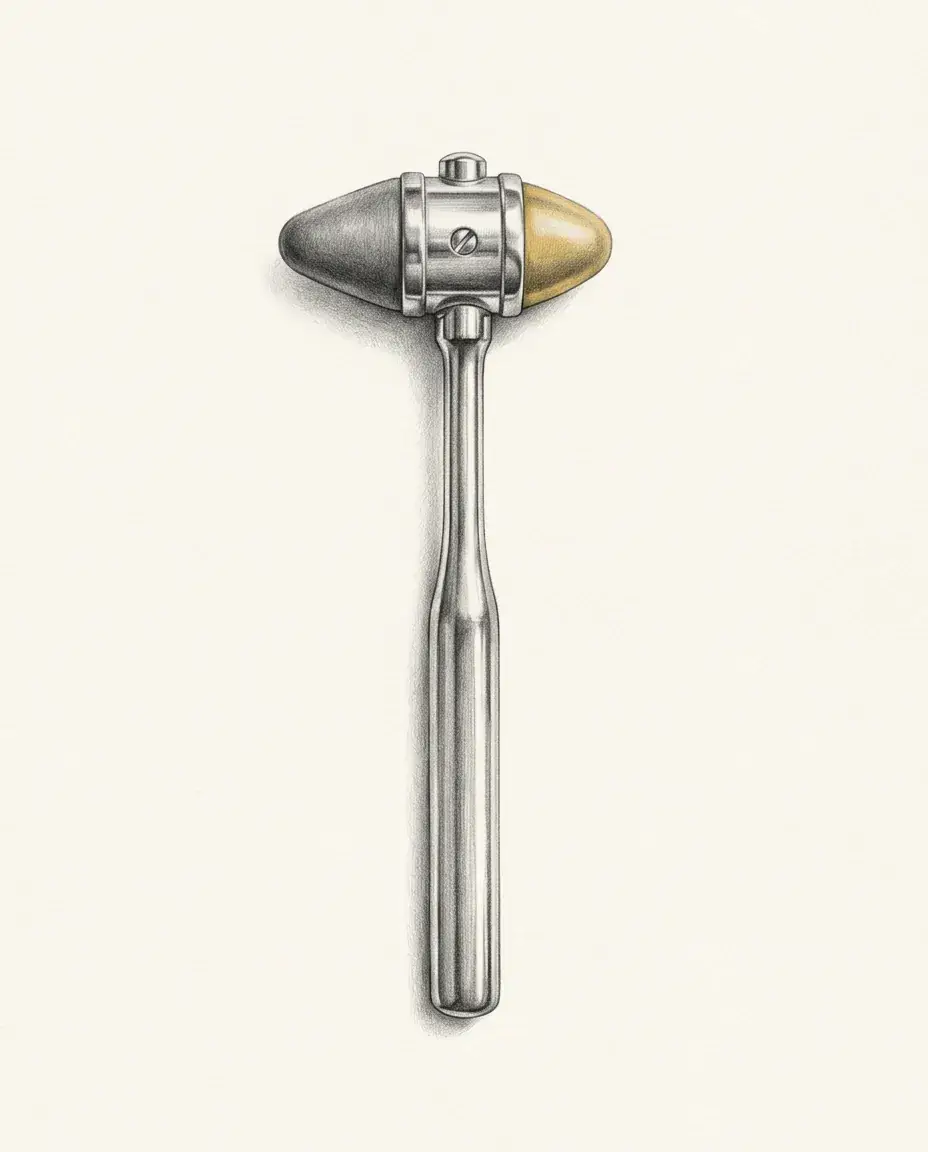
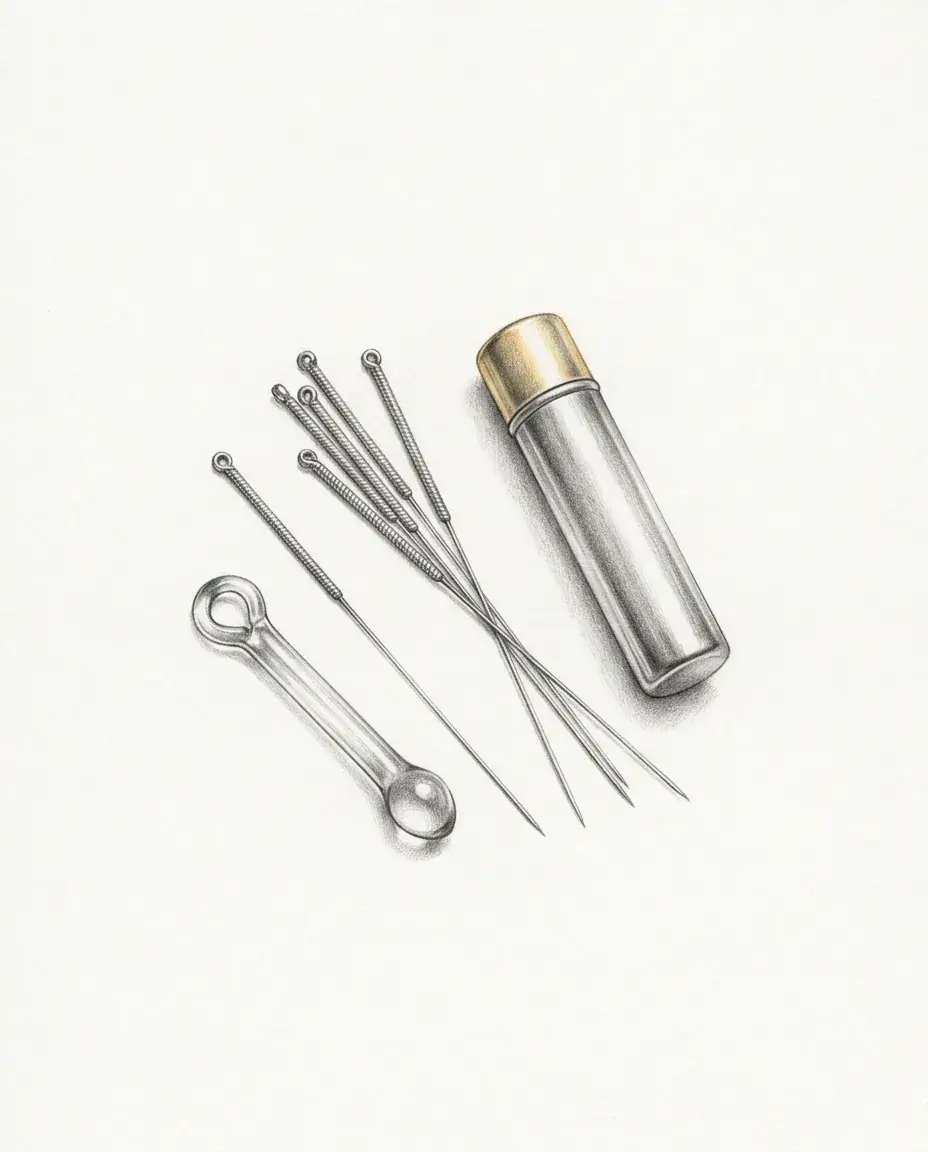
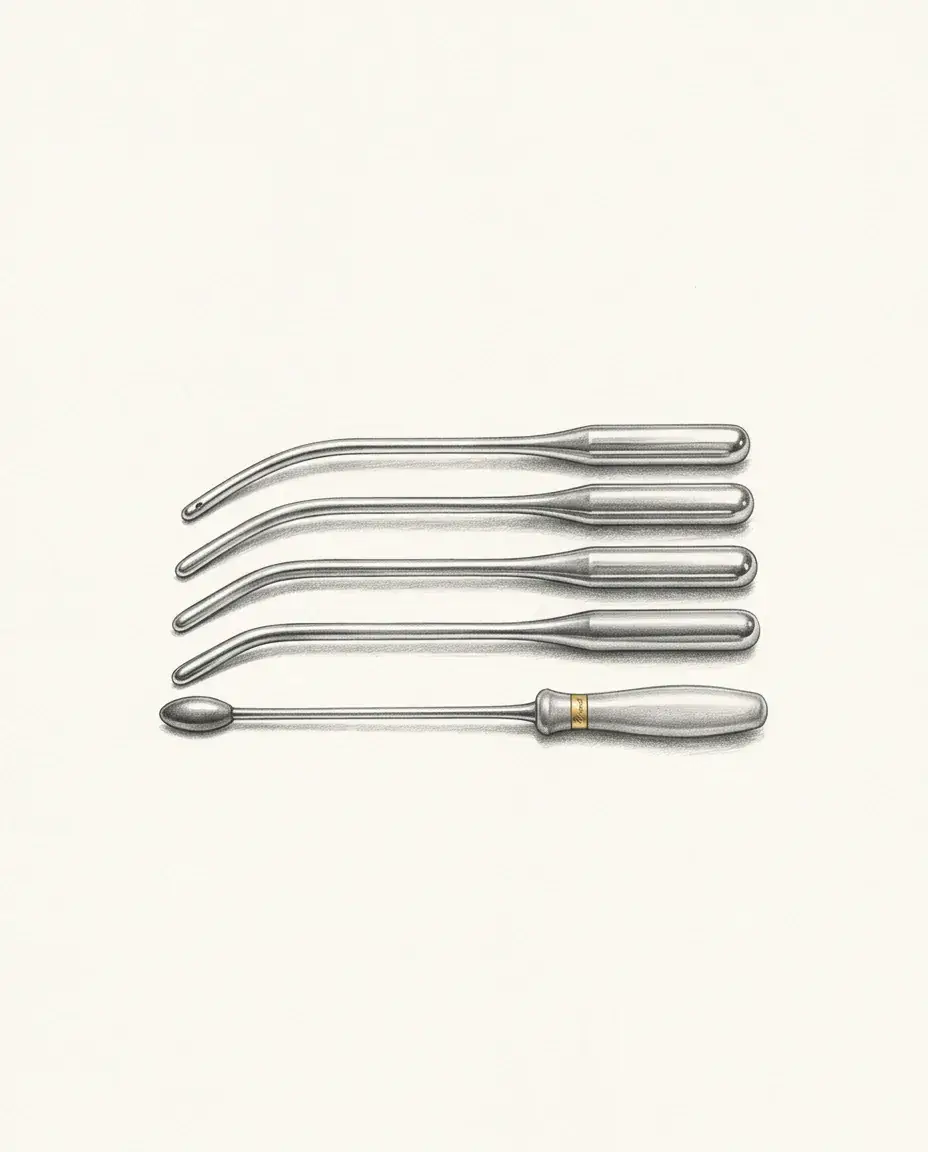
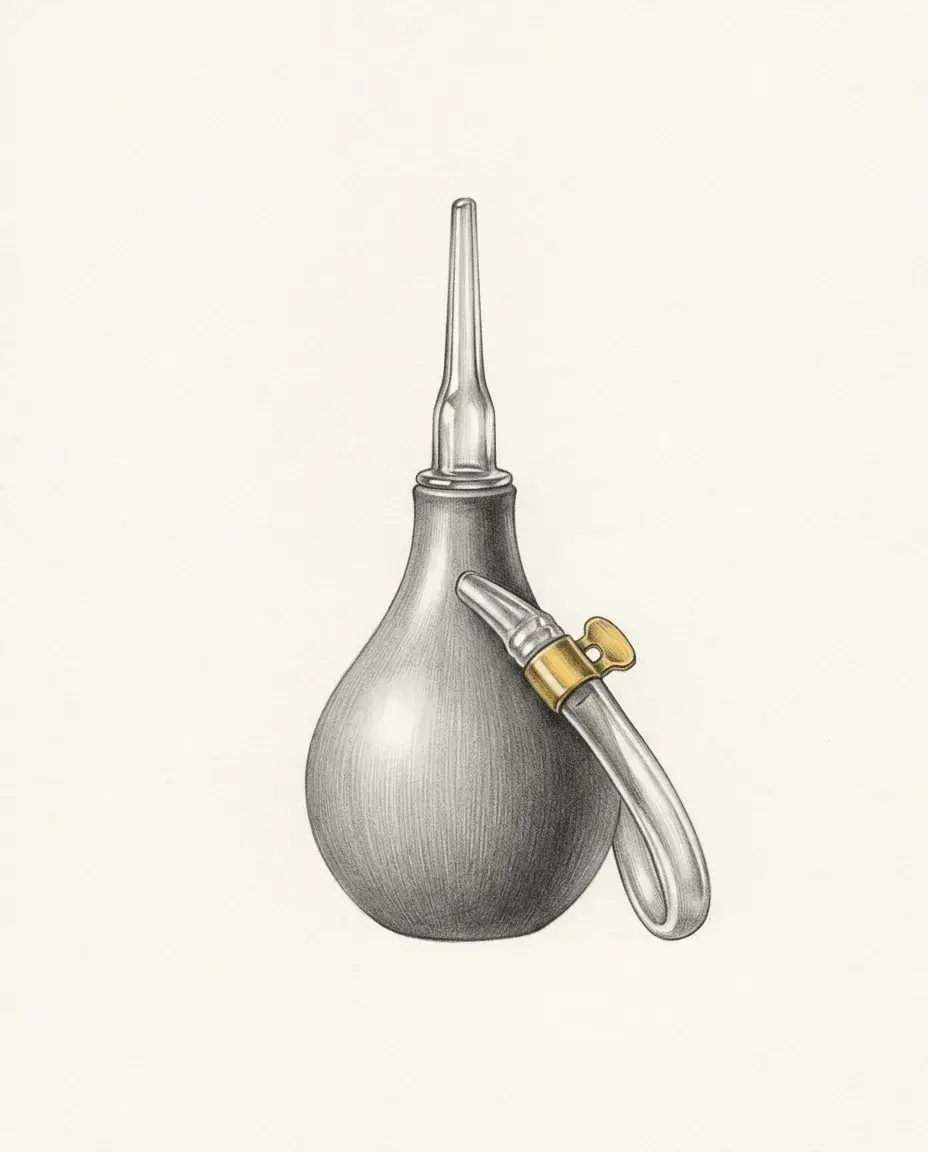
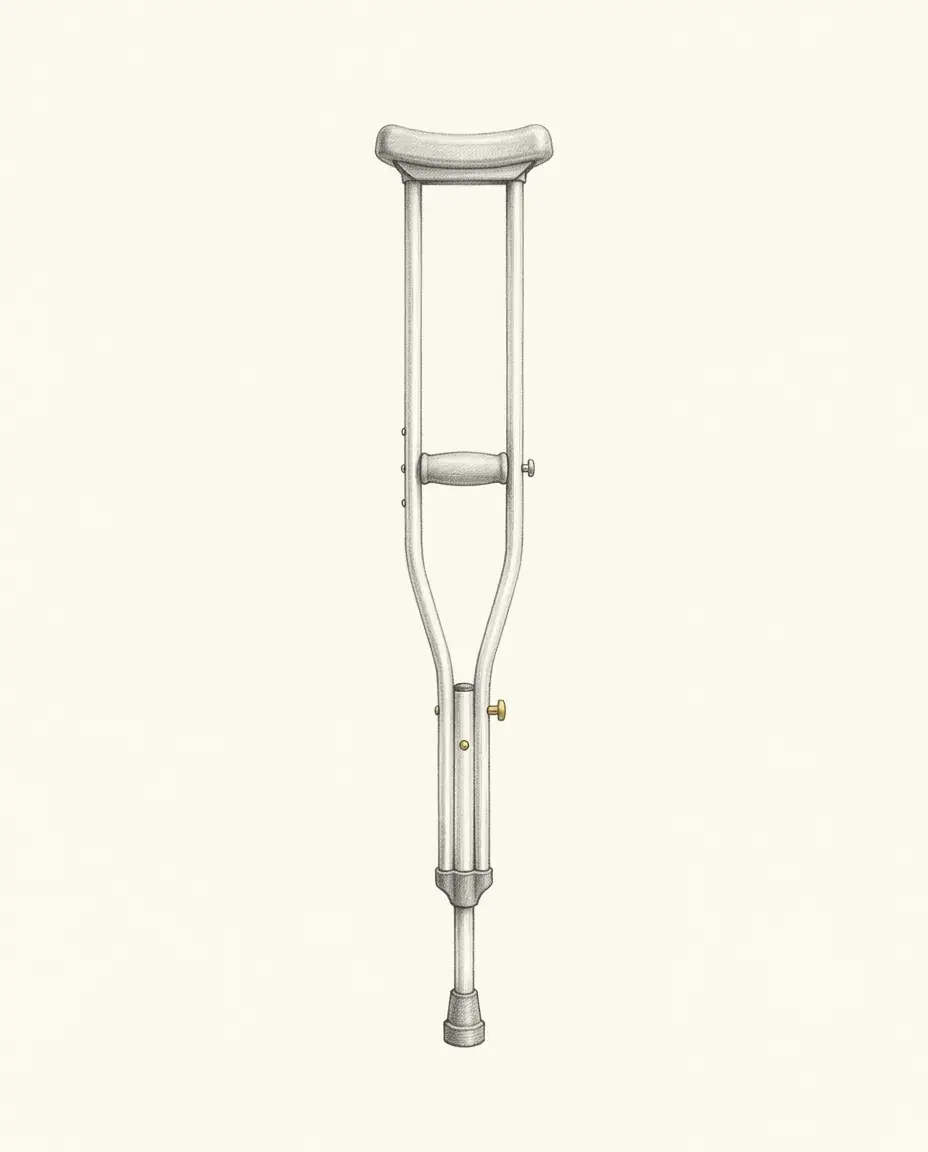
The sensation practices are needle play, sterile needles passed through the surface of the skin; the Wartenberg wheel, a neurologist's pinwheel rolled across it; and sounding, a smooth rod in the urethra. All three are in the BDSM collection under sensation, and each entry carries a risk note, because the instrument is real even when the clinic is not. The paraphilias are klismaphilia, arousal centred on enemas, and abasiophilia, attraction to people who use braces, casts or mobility aids; both are sexological terms with a literature, and the second is here because the equipment is medical even though the interest is in a person.
The FAQ below asks whether medical play is safe without medical training, and the honest answer is that the scenarios are and the instruments are not. A gown and a stethoscope need nothing. A needle needs sterile technique. Sounding needs anatomy. The entries send a reader to each practice's own safety literature rather than summarising it, because a summary is the wrong place to learn a technique. Real medical equipment is not required for the scene, and the FAQ says why the community distinguishes between props and instruments.
Abasiophilia raises a different edge, the one between a setting and a person. The collection's description keeps it because a brace is a medical object, and the FAQ takes the question of whether an attraction to mobility aids belongs to medical play at all. The catalog's position is that it is adjacent: the same equipment, a different interest, and its own entry.
Two entries are common, two uncommon and three rare. The shape is a wide top and a narrow foot: the scenario is a common interest, the instruments are practised by around 1 percent of adults, and the diagnoses are rarer still. A reader arriving from the roleplay side will find the collection ends where the risk begins, and that is where it is meant to end.
The asymmetry, mostly. A medical setting supplies a ready-made structure in which one person asks, instructs and examines while the other complies and is examined, along with a licence for touch that would otherwise need explaining. Doctor/nurse role-play borrows the vocabulary and the props of that structure without borrowing any of the medicine.
Parts of it are, parts of it are not. Gowns, examinations and implements used on the skin carry ordinary risks. Needle play, sounding and enema practices break or enter the body and carry real ones: infection, tissue damage, sharps handling, fluid and electrolyte disturbance. Sterile single-use equipment, hand hygiene, and knowing which symptoms end a scene and start a trip to an actual clinic are the minimum.
Little of it does. Most of the charge is theatrical, and a gown, a table and a confident manner carry a scene further than a tray of instruments. Where implements appear they are often sensation tools with no clinical purpose, such as a Wartenberg wheel. Genuine clinical items are the ones demanding sterility and knowledge, which is a reason to introduce them late rather than first.
Adjacent, but distinct. Abasiophilia is directed at braces, casts or mobility aids and, in many cases, at the people who actually depend on them, which raises questions of consent and objectification that a scene between two role-players does not. Treating a stranger's disability as scenery is the failure mode, and it is why the interest is documented with that caveat attached.
By settling it before the role begins, since the frame only works if the examined partner stops deciding once it starts. Practitioners agree in advance what will be examined, which instruments may appear and what is out of bounds, then keep a signal that is unmistakably outside the fiction, because a patient objecting is exactly what a doctor/nurse scene is made of.