A curated map of BDSM: the bondage, discipline, dominance, submission, sadism and masochism practices and power dynamics at the heart of kink. It gathers rope and restraint, impact and pain, and D/s roles from across the catalog so the whole spectrum can be explored in one place.
BDSM is the largest collection in the catalog because it is the least like a category. A category files an entry by what the interest is about: a body part, a garment, a sensation. BDSM cuts across four of those families at once, and the 87 entries gathered here come from Power, Roles and Scenarios, Sensation and Pain, Acts and Activities and the two clinical names at the root of the vocabulary. What holds them together is a grammar rather than a subject. A scene has roles agreed in advance, limits stated, a way to stop, and care afterwards.
The acronym is younger than most of what it names. BDSM folds three older pairs into one string, bondage and discipline, dominance and submission, sadism and masochism, and the compound is first recorded in a 1991 Usenet post. The last pair is the oldest: Richard von Krafft-Ebing coined sadism and masochism in Psychopathia Sexualis in 1886, after the Marquis de Sade and Leopold von Sacher-Masoch, and both words spent a century as diagnoses before the community took them back.
What the collection gathers
Four kinds of thing sit here, and the collection is easiest to read as four shelves rather than one list. The first is the dynamic: dominance and submission, which leads the whole catalog at an estimated 45 percent of adults, with submission and dominance filed separately because the two halves are searched for and lived differently. Switching, femdom, master and slave, total power exchange and domestic discipline are the same dynamic at different intensities and durations, from an evening to a household.
The collection stops at consent, and that edge is what separates it from the two clinical entries it contains. Sadism and masochism are here because the vocabulary is theirs, and both entries say what the DSM-5-TR says: the disorder requires a non-consenting person or clinically significant distress, and consensual practice meets neither test. The ICD-11 went further in 2019 and removed sadomasochism as a diagnosis altogether, keeping only coercive sexual sadism, which is not in this collection because it is not a kink.
Two neighbouring collections take what BDSM does not. Chastity and orgasm control holds the practices where the object of control is release rather than the body, though chastity play and orgasm denial are listed here too because they are power exchange first. Pet play holds the animal roles, with collaring shared between the two because a collar means the same thing in both.
The parts that are about care
Three entries in the collection are not practices at all, and a reader new to the vocabulary should open them first. Aftercare, at an estimated 14 percent, is the deliberate attention partners give one another after a scene, and it ranks higher than most of the practices it follows. Subspace names the altered, floating state some submissive partners enter during intense play, and subdrop the low that can follow hours or days later. The community named these because they happen whether or not anyone plans for them, and a scene is negotiated around them.
Edgeplay is the community's own word for the practices whose risk cannot be negotiated away. Breath play, knife play, fire, blood, consensual non-consent. The catalog files them with the rest and flags the risk on each page, because a list that left them out would describe a BDSM nobody practises.
How the ranking reads
Eight of the 87 sit in the ultra-common tier, an estimated 20 percent of adults or more, and all eight are dynamics or the mildest sensations: dominance and submission, submission, dominance, spanking, impact play, masochism, consensual non-consent and pain play. Below them the collection thins in a long tail exactly as the whole catalog does: 34 entries in the common band, 24 uncommon, 9 rare. Grossdom, at the foot with an index of 9, is a community umbrella term with almost no documentation outside the forums that coined it.
The pattern is the finding. The interests most people mean by BDSM, a partner who leads and one who follows, being tied, being spanked, are majority or large-minority interests, and the equipment-heavy practices that the word conjures from outside are the rare ones. Lehmiller's 2018 survey of 4,175 American adults found only 4 to 7 percent who had never had a BDSM fantasy, and the top of this collection is where that finding lands in the catalog.
Common questions
What does BDSM actually stand for?
Three overlapping pairs compressed into one acronym: bondage and discipline, dominance and submission, sadism and masochism. The letters do double duty, which is how bondage, discipline, dominance and submission, sadism and masochism all fit into six characters. Few practitioners do all of it; most take one strand and leave the rest.
How is BDSM different from abuse?
By consent, and by the machinery built to keep that consent real: limits agreed beforehand, a way to stop at any point, and attention afterwards. Abuse removes choice and escalates. A negotiated scene is bounded and revocable, including in consensual non-consent, where the appearance of force is the agreed content and the agreement still governs what happens.
What happens if someone cannot speak to use a safeword?
Scenes involving gags, hoods or heavy bondage agree a non-verbal signal in advance, commonly an object held in the hand and dropped, or a fixed number of grunts or taps. The signal is settled before any restraint goes on, and the person running the scene is expected to keep watching for it rather than wait to be told.
Does a power dynamic stop at the bedroom door?
That is a choice, and both answers are common. Many people confine it to scenes and return to an equal footing afterwards. Others hold the roles continuously, as in a master and slave arrangement, a female-led relationship, domestic discipline, or total power exchange, where the authority is agreed to extend across daily life.
Can someone be dominant and submissive at different times?
Yes, and it is common enough to have its own name: switching. Some switch between partners, some within a single scene, and some find that the two sides answer different needs. Preference is not fixed for life either, and people describe moving along that axis over years without any of it counting as inconsistency.
 92
92 90
90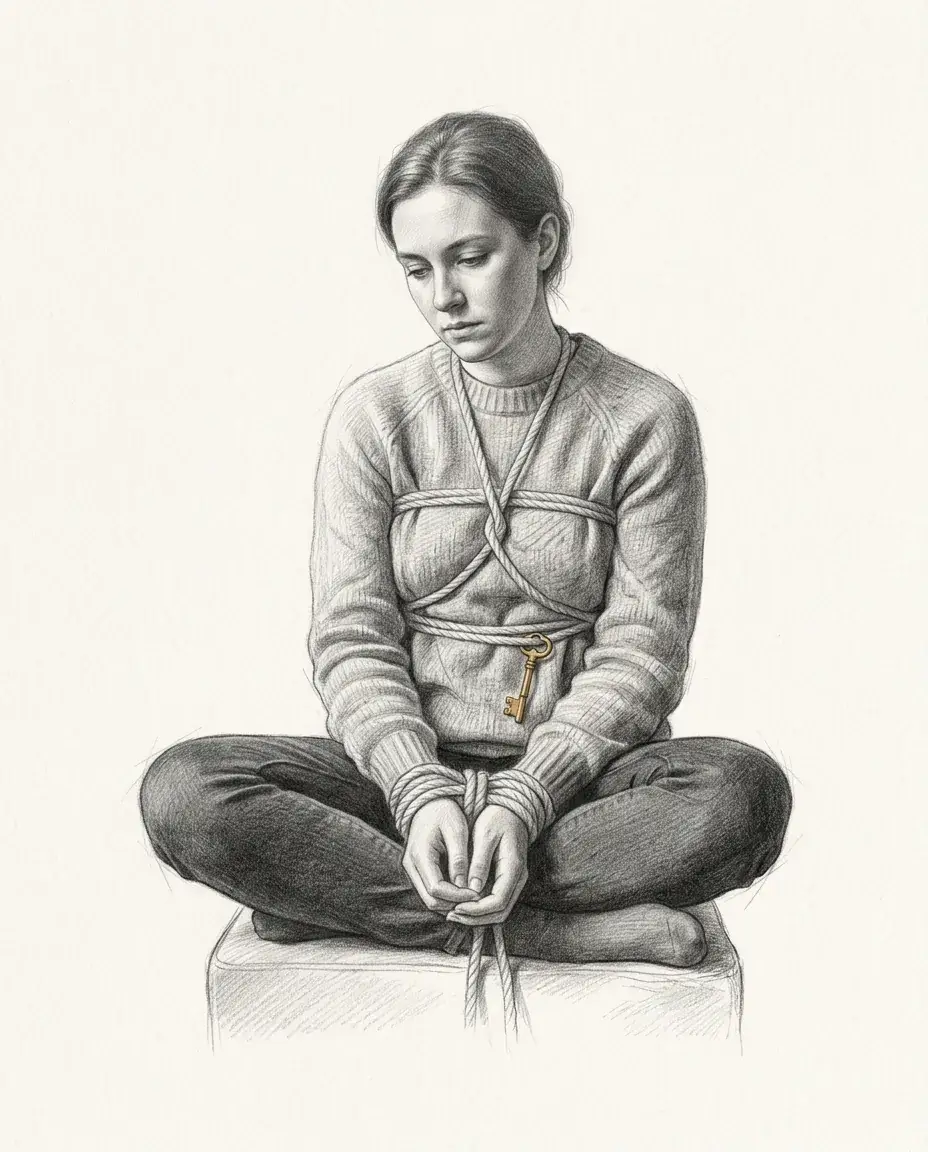 86
86 85
85 78
78 78
78 71
71 69
69 68
68 67
67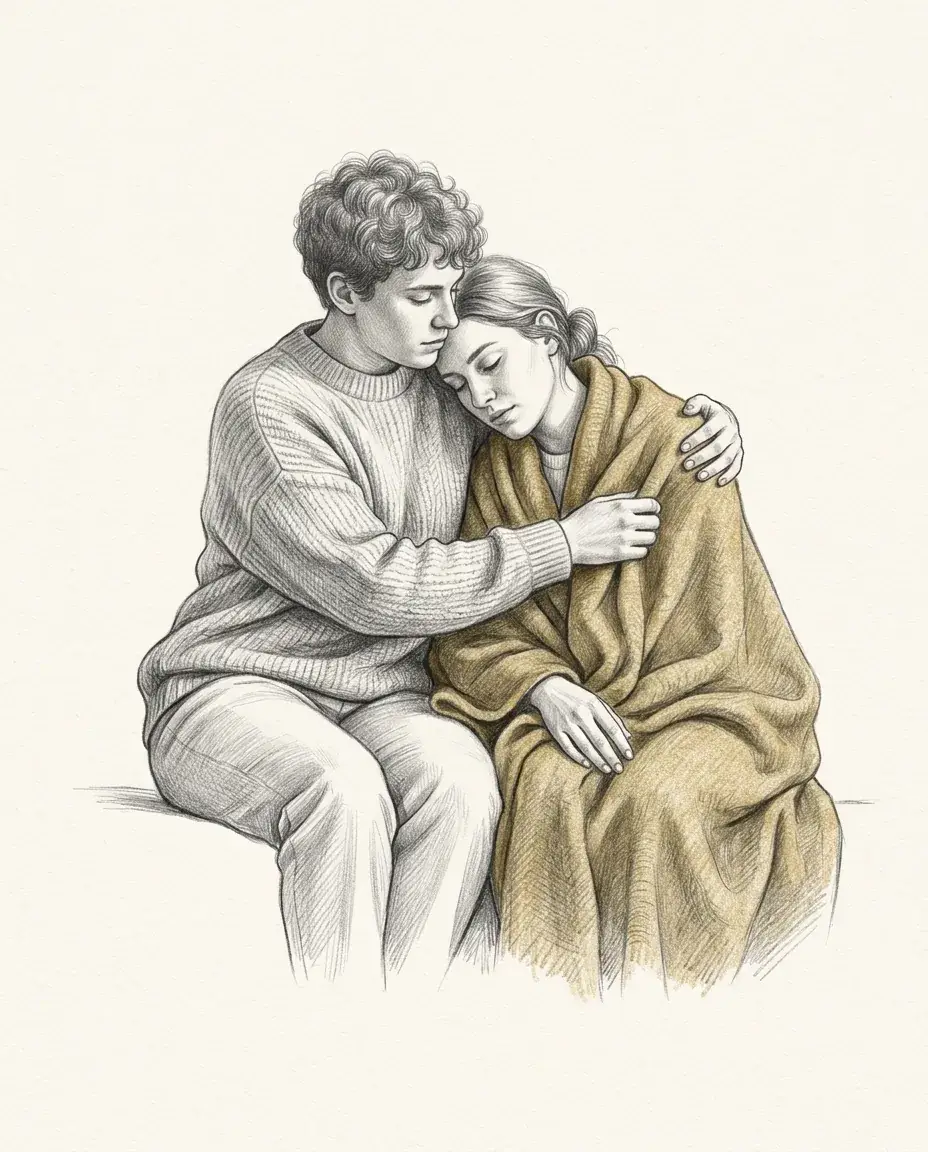 66
66 65
65 65
65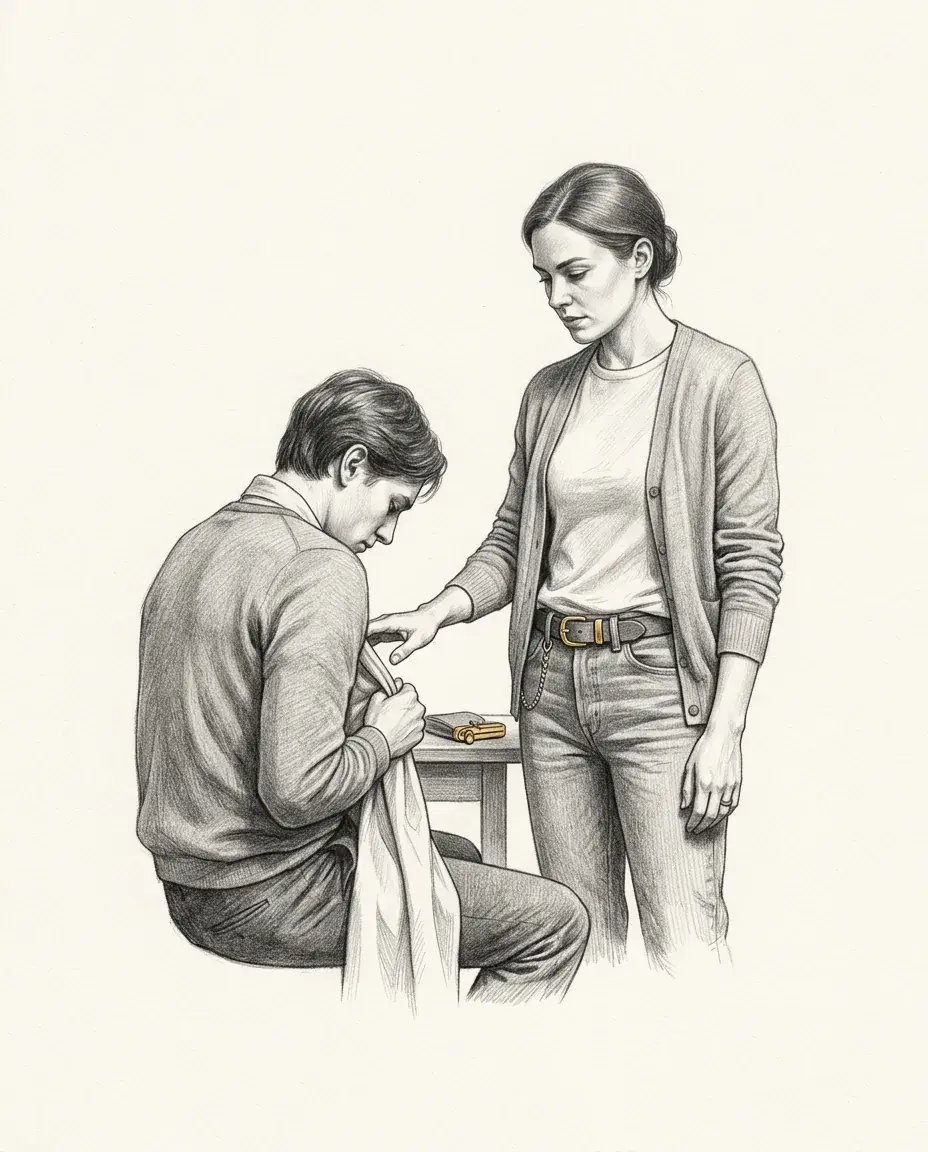 64
64 64
64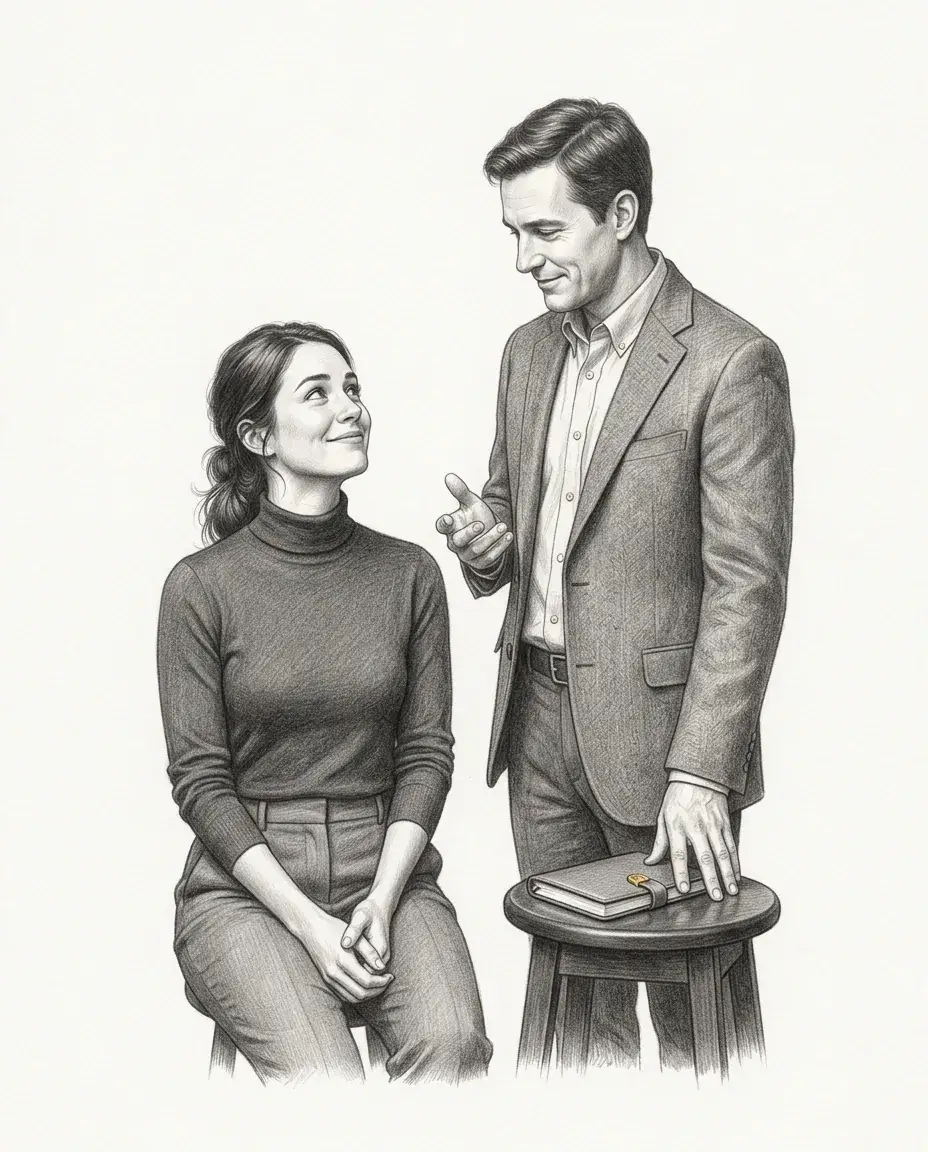 63
63 63
63 62
62 60
60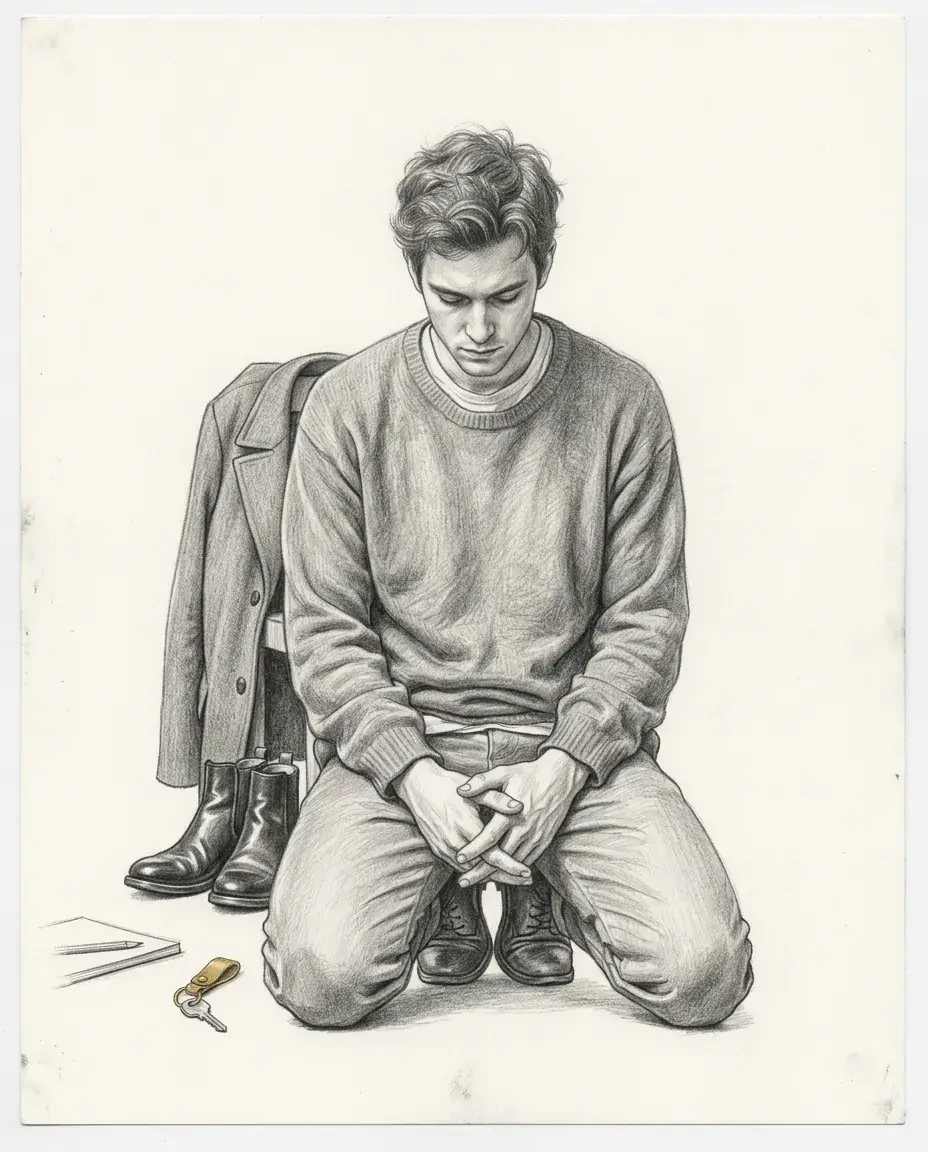 60
60 59
59 59
59 58
58 58
58