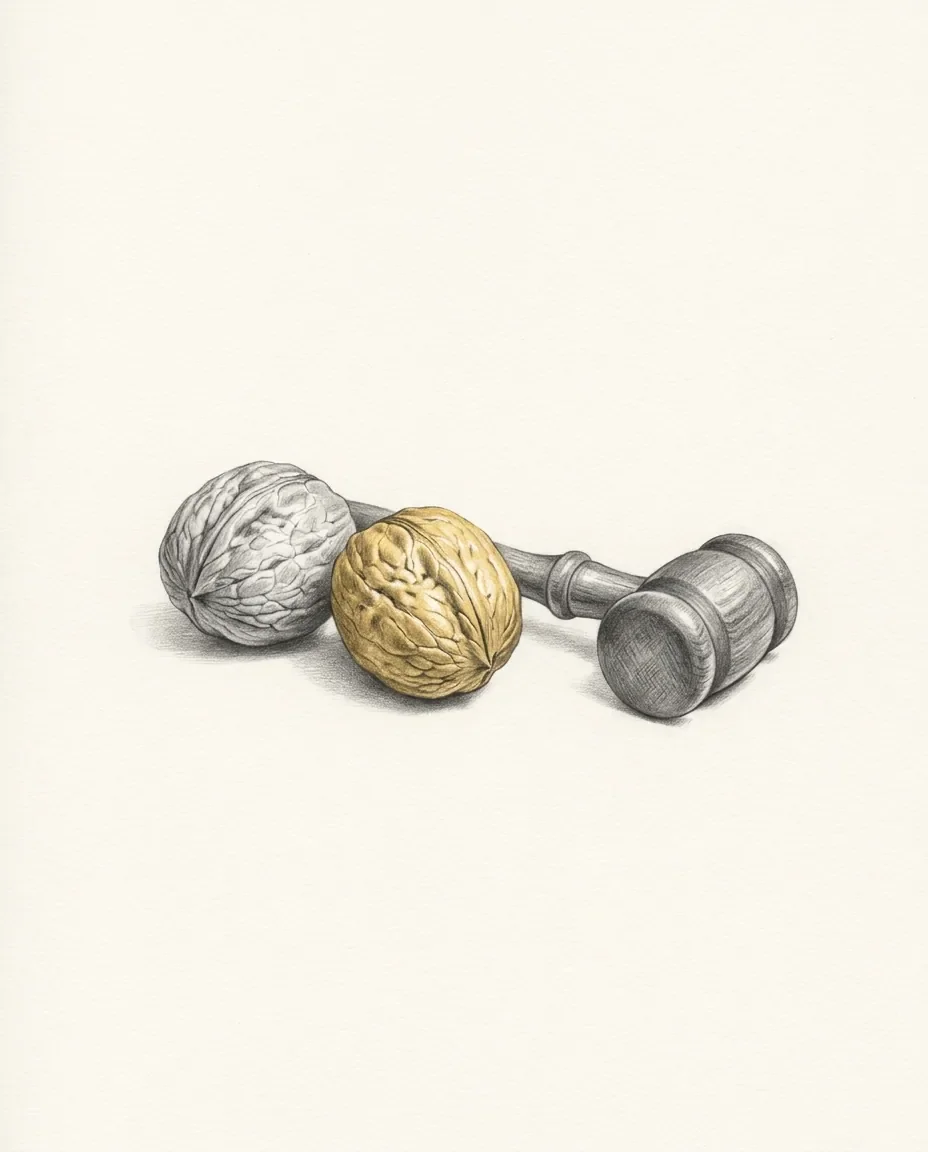
Ballbusting
Added 22 Jun 2026 · Updated 22 Aug 2026
Consensual BDSM activity in which a partner applies blunt force (kicking, kneeing, squeezing or striking) to the testicles. A focused subset of cock-and-ball torture, often within femdom or humiliation play, it carries a real risk of genital injury.
- Prevalence
- Uncommon
- Category
- Sensation & Pain
- Domain
- Sexual interest
- Confidence
- Medium confidence
- Status
- Consensual BDSM/CBT activity; benign variation in consenting adults rather than a disorder absent distress or non-consent, but recognized as carrying notable physical risk.
- Also known as
- ball busting, ball-busting, BB, tamakeri, testicle torture, ball torture
- Added
- 22 Jun 2026
- Updated
- 22 Aug 2026
Featured in
Overview
Ballbusting is a consensual BDSM activity in which one partner deliberately applies blunt force to another's testicles by kicking, kneeing, squeezing, slapping, or striking. It is usually classed as a focused subset of cock-and-ball torture (CBT) and overlaps heavily with female-dominant and humiliation play. Because the testicles are densely innervated and only thinly protected, the practice sits among the higher-risk forms of impact play. This article covers where the term comes from, how the interest is expressed, its psychology, how common it is, and its genuine medical hazards.
Examples
Ballbusting is defined by a target and a type of force, which makes its edges unusually easy to draw.
What the term covers. Graded blunt force delivered to a consenting adult's testicles inside a negotiated scene: squeezing, flicking and slapping at the light end, kneeing, kicking or striking with a hand or implement at the harder end. The most familiar framing is a dominant woman and a male receiver, which is why the practice is so closely associated with femdom, and it is frequently paired with verbal humiliation rather than performed as bare sensation. The Japanese tamakeri media tradition covers the same activity as a distinct genre.
What the term does not cover. Cock-and-ball torture is the broader family (binding, weights, figging, clamping and pinching), of which ballbusting is only the blunt-impact subset. Impact play names striking the body in general, with spanking targeting the buttocks and bastinado the soles of the feet; trampling applies body weight rather than a strike. Small penis humiliation is genital-themed but purely verbal, and involves no force at all. Force applied to someone who has not agreed to it is assault, not a kink, and no framing changes that.
How the word is used. It is community vernacular, abbreviated BB, with tamakeri (玉蹴り, "ball kicking") used for the Japanese tradition. There is no clinical synonym: neither DSM-5-TR nor ICD-11 names it, and consensual sadomasochism was removed from the latter's disorder list in 2018. The word also carries an entirely unrelated everyday sense (relentless nagging, or gruelling work), which is the more common meaning outside kink contexts.
History & origins
Ballbusting is a plain-English descriptive term rather than a clinically coined word, and it has no single attributable origin. Its lineage runs through two threads: the clinical sexology of masochism and CBT, and a distinct Japanese popular-media tradition.
Clinical lineage
- 1886: Richard von Krafft-Ebing publishes Psychopathia Sexualis, naming masochism after the novelist Leopold von Sacher-Masoch and establishing the clinical vocabulary for pleasure taken in received pain and submission.
- 20th century: Genital-impact play takes shape as a named practice within the broader cock-and-ball torture repertoire of BDSM, alongside squeezing, binding, and striking of the genitals.
- 2013 and 2018: Modern nosology treats consensual sadomasochism as non-pathological. The DSM-5 diagnoses sexual masochism disorder only where there is distress or impairment, and ICD-11 removes consensual BDSM from its disorder list. Ballbusting between consenting adults therefore carries no diagnostic label of its own.
Cultural & subcultural evolution
A distinct strand comes from Japan, where tamakeri (玉蹴り, literally "ball kicking") names the same fetish. It grew into an established niche genre of fetish media, and the documented online tamakeri scene spread across successive waves from the 1990s onward, before the practice entered Western kink vocabulary as "ballbusting," abbreviated BB. The term is now used internationally, with tamakeri often denoting the specifically Japanese, frequently female-on-male, media tradition.
In practice
Within a negotiated scene, a dominant partner applies graded force to a consenting receiver's genitals, with limits set through prior negotiation and a safeword. Expressions range from light squeezing and flicking to harder strikes, and are often framed within femdom, tease, or humiliation role-play. Many practitioners deliberately keep force well below injury thresholds. This is not a how-to, and the activity's safe expression is inseparable from the cautions below.
Psychology
The appeal is commonly explained through several overlapping routes: direct masochistic pleasure in intense sensation, the emotional charge of erotic humiliation or submission, and the satisfaction a receiver takes in pleasing a dominant partner. As with other consensual sadomasochism, the draw is usually the relational dynamic and the altered headspace rather than pain in isolation. The evidence base specific to genital-impact play is thin, since it is too small a niche for dedicated study, so its psychology is inferred from the wider literature on consensual masochism, where it is treated as a benign variation in consenting adults rather than a disorder.
Prevalence & culture
Ballbusting is a recognised but uncommon niche. General-population data show that pain-related fantasy is widespread: in Lehmiller's (2018) survey of 4,175 Americans, about 65% had fantasised about receiving pain and 60% about inflicting it, and BDSM fantasy was near-universal. Only a small fraction of that broad interest is directed specifically at genital impact. The niche sustains dedicated online communities and a distinct media genre through the Japanese tamakeri tradition, but it does not register as a top-ranked category in body-part or activity surveys.
Safety, consent & law
This is among the higher-risk forms of impact play, and the risk is anatomical, not theoretical. Blunt force to the scrotum can cause testicular rupture, torsion, or avulsion, all surgical emergencies described by the Cleveland Clinic and documented in case reports such as Blok et al. (2019). The salvage rate is sharply time-dependent: current management is surgical exploration and repair within about 72 hours, and delay can drop the testicular salvage rate from roughly 80–90% to 45–55%. Warning signs include severe pain, marked swelling, bruising or discoloration, blood in the urine, and nausea or vomiting. Pain alone is an unreliable gauge of damage, so any of these signs warrants urgent medical attention. Safe practice depends on negotiation, a clear safeword, gradual escalation, and a low threshold for stopping. Between consenting adults the activity is generally lawful, but the same force on a non-consenting person is assault, and serious genital injury can exceed the limits of what consent legally covers in some jurisdictions.
Related interests
- Cock-and-ball torture, the broader genital-pain family of which ballbusting is a subset.
- Masochism and pain play, the underlying sensation dynamics.
- Humiliation play and impact play, the dominance and force framings it most often borrows.
Common questions
Is ballbusting dangerous?
Yes, genuinely so, and the risk is anatomical rather than theoretical. Blunt force to the scrotum can cause testicular rupture, torsion or avulsion, all surgical emergencies. Case-report and clinical guidance summarised by the Cleveland Clinic and Blok et al. (2019) puts salvage at roughly 80–90% with surgical repair inside about 72 hours, falling to 45–55% with delay. Pain is an unreliable gauge of how much damage has been done.
What are the warning signs of a testicular injury?
Severe or persistent pain, marked swelling, bruising or discoloration of the scrotum, blood in the urine, and nausea or vomiting all warrant urgent medical assessment. So does a testicle that feels misshapen or has changed position. Because the salvage window is measured in hours, waiting to see whether the pain settles is the wrong call; an emergency department can rule out rupture or torsion with an ultrasound.
Is ballbusting the same thing as CBT?
Not quite. Cock-and-ball torture is the umbrella term for genital-focused BDSM, covering binding, weights, clamping and heat as well as impact. Ballbusting is specifically the blunt-force subset aimed at the testicles. Someone can practise CBT without ever doing ballbusting, and the reverse is equally common.
What does tamakeri mean?
It is the Japanese term for the same fetish, written 玉蹴り and meaning literally "ball kicking." It names both the activity and an established niche genre of Japanese fetish media, frequently female-on-male, whose documented online scene dates from the 1990s. English-speaking kink communities adopted "ballbusting" separately, and now use tamakeri mainly to mark that specifically Japanese media tradition.
Why would anyone enjoy having their testicles hurt?
The usual routes are the same ones that explain consensual masochism generally: pleasure taken in intense sensation, the emotional charge of erotic humiliation or submission, and the satisfaction of pleasing a dominant partner. For most practitioners the draw is the relational dynamic and the altered headspace rather than pain in isolation, which is why the activity is almost always framed inside a scene rather than performed alone.
Is ballbusting legal?
Between consenting adults it is generally lawful, but consent is not unlimited. Several jurisdictions hold that a person cannot consent to serious bodily harm, so an injury requiring surgery can bring criminal liability regardless of what was agreed beforehand. Applying the same force to someone who has not consented is assault everywhere.
Is ballbusting a paraphilia or a mental disorder?
No. DSM-5-TR diagnoses sexual masochism disorder only where there is distress or impairment, and ICD-11 removed consensual sadomasochism from its disorder list in 2018. Consensual ballbusting therefore carries no diagnostic label of its own. That is a statement about classification, not about safety: the medical risk is real whatever the manuals say.
- Cock And Ball Torture36/100Sensation & PainA consensual BDSM practice involving controlled pain, pressure, restriction, or intense sensation applied to the male genitals. It is typically practised within a dominance-submission dynamic. A high-intensity activity practised by a small subset of kink communities, defined throughout by negotiated consent.36
- Pain Play58/100Algolagnia · Sensation & PainPain play (algolagnia) is a clinical umbrella term for sexual arousal connected to physical pain, whether that pain is received or inflicted. The received form is labelled active/masochistic, the inflicted form passive/sadistic. It frames pain itself, not any specific implement, as the source of erotic interest.58
- Humiliation Play60/100Power, Roles & ScenariosA psychological power-exchange interest in which consenting adults eroticize feelings of embarrassment, degradation, or being put down. Arousal arises from the negotiated experience of vulnerability rather than from real harm.60
- Impact Play71/100Sensation & PainAn umbrella term for consensual BDSM activities in which one partner strikes another's body with a hand or implement for erotic sensation or power exchange. It spans light spanking through to firmer use of paddles, floggers, crops, and canes within negotiated limits.71
- Masochism69/100Sexual Masochism Disorder · Clinical ParaphiliasA DSM-5-TR paraphilic disorder defined by recurrent, intense arousal from being humiliated, beaten, bound, or otherwise made to suffer. It is diagnosed only when that arousal causes the person clinically significant distress or impairment. Consensual masochistic interest without distress is not a disorder.69
- Electro Play39/100Sensation & PainA consensual sensation interest in which mild electrical current is used to produce tingling, buzzing, or muscle-twitching sensations on the body. It is practiced within BDSM and sensation-play communities using purpose-built or repurposed devices.39
Plain-English compound of "ball" (slang for testicle) and "busting" (hitting or breaking); a descriptive colloquialism with no clinical coinage. The Japanese synonym "tamakeri" (玉蹴り) combines "tama" (ball) and "keri" (kick), literally "ball kicking."
genital impact · cock-and-ball torture · blunt-force sensation
Prevalence is computed from the entry's cited population estimate. Rows marked ESTare indicative editorial estimates scored against a fixed anchor rubric, not measured quantities. Method & anchors: methodology.
Uncommon · ≈ 1 in 100
- 01Cock and ball torture, Wikipediadefinition of ballbusting as kicking/kneeing the testicles, its place within CBT, the masochism/humiliation motivations, and the serious risks (rupture, torsion, avulsion)
- 02Tamakeri, Wikipedia / Simple English WikipediaJapanese term 'tamakeri' (玉蹴り, 'ball kicking'), its synonymy with ballbusting ('BB'), and its place as a BDSM subgenre
- 03Lehmiller (2018), Tell Me What You Want, survey of 4,175 Americansbroad pain-play/masochism fantasy prevalence within which genital impact play is a small niche
- 04Blok et al. (2019), Testicular Rupture Following Blunt Scrotal Trauma, Case Reports in Emergency Medicinemedical evidence that blunt scrotal trauma can rupture the testicle; current management is surgical exploration within ~72 hours, with salvage falling from ~80-90% to 45-55% if delayed
- 05Ruptured Testicle: Causes, Symptoms & Treatment, Cleveland Cliniccauses (blunt force), warning signs (severe pain, swelling, bruising, blood in urine, nausea), and the surgical-emergency nature of blunt testicular injury
- 06Psychopathia Sexualis, WikipediaKrafft-Ebing's 1886 naming of masochism after Sacher-Masoch, the clinical root of pleasure in received pain/submission
- 07DSM-5-TR, Paraphilic Disorders (American Psychiatric Association)sexual masochism diagnosed as a disorder only with distress/impairment, so consensual ballbusting carries no diagnostic label
- 08ICD-11, Paraphilic disorders (World Health Organization)2018 removal of consensual BDSM/sadomasochism from the list of disorders