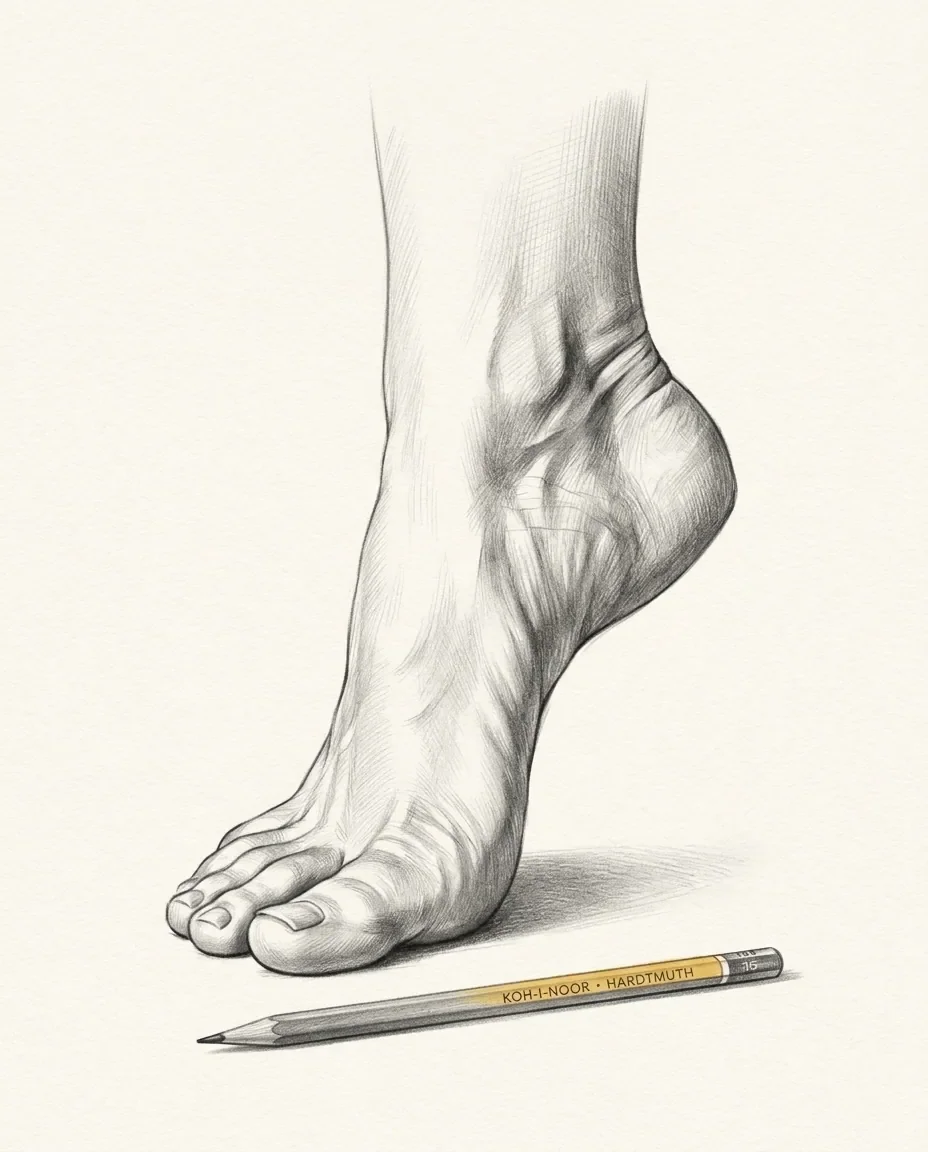
Trampling
Added 27 Jun 2026 · Updated 22 Aug 2026
A consensual erotic interest in being stepped on, stood on, or walked over by another person (usually with bare feet or footwear) within a dominance frame. A foot-centred subset of BDSM sensation and power-exchange play that carries real physical risk.
- Prevalence
- Uncommon
- Category
- Sensation & Pain
- Domain
- Sexual interest
- Confidence
- Low confidence
- Status
- Consensual BDSM sensation and power-exchange play; a benign variation in consenting adults, not a disorder absent distress or non-consent, but recognised as physically higher-risk because body weight is applied to a person.
- Also known as
- trampling fetish, being walked on, stepping, stepping on, foot stomping
- Added
- 27 Jun 2026
- Updated
- 22 Aug 2026
Featured in
Overview
Trampling is a sexual activity and fetish in which one person is stepped on, stood on, or walked over by another, typically for erotic arousal. The person on the floor (the bottom) lies down while a partner applies body weight through standing, walking, or sometimes jumping, using bare feet, socks, shoes, boots, or high heels. It sits at the meeting point of foot-focused interest and BDSM power exchange, drawing on Foot Domination, Foot Worship, and Impact Play. This article traces the term, how the consensual practice is expressed, its psychology and prevalence, and (because standing on a human body is genuinely hazardous) its safety, consent, and legal framing.
Examples
What the term covers. A partner standing barefoot or in socks on the back, thighs or buttocks of someone lying on a padded floor; the same in shoes, boots or trainers, where footwear adds a uniform or domination note; high-heel work, in which a stiletto concentrates the same body weight onto a contact patch of a few square centimetres; and the difference between standing still with slow weight-shifts and actually walking across a person, which are very different activities in terms of control. Community writing calls the plainest form stepping: standing or stepping onto a partner and holding still, with none of the walking that gives the practice its name. The public extreme of the interest is the "human carpet", a participant who lies down to be walked over by guests at a party.
What the term does not cover. Crush fetish is the nearest name collision and a wholly separate interest: it concerns arousal at the crushing of objects or, in its illegal form, small animals, not a consenting person. Impact play and bastinado deliver strikes rather than sustained load, face-sitting applies weight but not through a foot, and human furniture is about being used as an object rather than about pressure. A footjob uses the same body part for stimulation instead of force, foot worship is reverence rather than weight, and the fantasy of being trodden on by an enormous person belongs to macrophilia and the giantess genre, which is imagined rather than performed.
How the word is used. "Trampling" is community vernacular with no clinical coinage behind it, and the manuals list neither the practice nor any trampling-specific disorder; DSM-5-TR treats consensual sadomasochism as non-disordered absent distress, harm or non-consent. The community's own distinction between "soft" and "hard" trampling is a risk vocabulary rather than a taxonomy: it describes how much weight goes where, which is the only variable that determines whether anyone gets hurt.
History & origins
Trampling has no separate clinical coinage; it is documented as a variant within the much older literatures of foot eroticism and masochism rather than as a distinct diagnosis.
Sexological lineage
The vocabulary that frames trampling comes from nineteenth-century sexology. In Psychopathia Sexualis (first edition 1886), Richard von Krafft-Ebing coined the terms sadism and masochism and catalogued a wide range of erotic interests, including being subjected to, and trodden upon by, another person: the masochistic fantasy of being physically dominated underfoot that trampling literalises. Foot- and shoe-focused eroticism received extended attention from the same author and later from Havelock Ellis in his Studies in the Psychology of Sex, establishing the foot as a recurring erotic object well before any community label existed. Modern diagnostic manuals do not list trampling separately: the DSM-5-TR treats consensual sadomasochism and partialism as non-disordered absent distress, harm, or non-consent.
Community emergence
As an organised, named practice, trampling is a twentieth-century development within fetish and BDSM subcultures. Through the 1970s and 1980s it became more visible as leather and fetish communities expanded, and it later grew into a recognisable subgenre of fetish media, usually filed under foot fetishism. The internet greatly amplified its reach, supporting dedicated forums, clip stores, and producers. Its mainstream cultural footprint remains small but real: in October 2022, The Cut profiled a New York nightlife figure known as "Kevin Carpet," who lies on the floor as a literal "human carpet" to be walked over at parties, an unusually public expression of the interest.
In practice
Within a negotiated scene the bottom lies on a firm, padded surface while the top transfers weight onto the body, controlling how much load the supporting foot bears and where it lands. Common variations include:
- Barefoot or socked trampling, prized for skin contact and overlap with foot worship.
- Footwear trampling in shoes or boots, adding a domination/uniform dynamic.
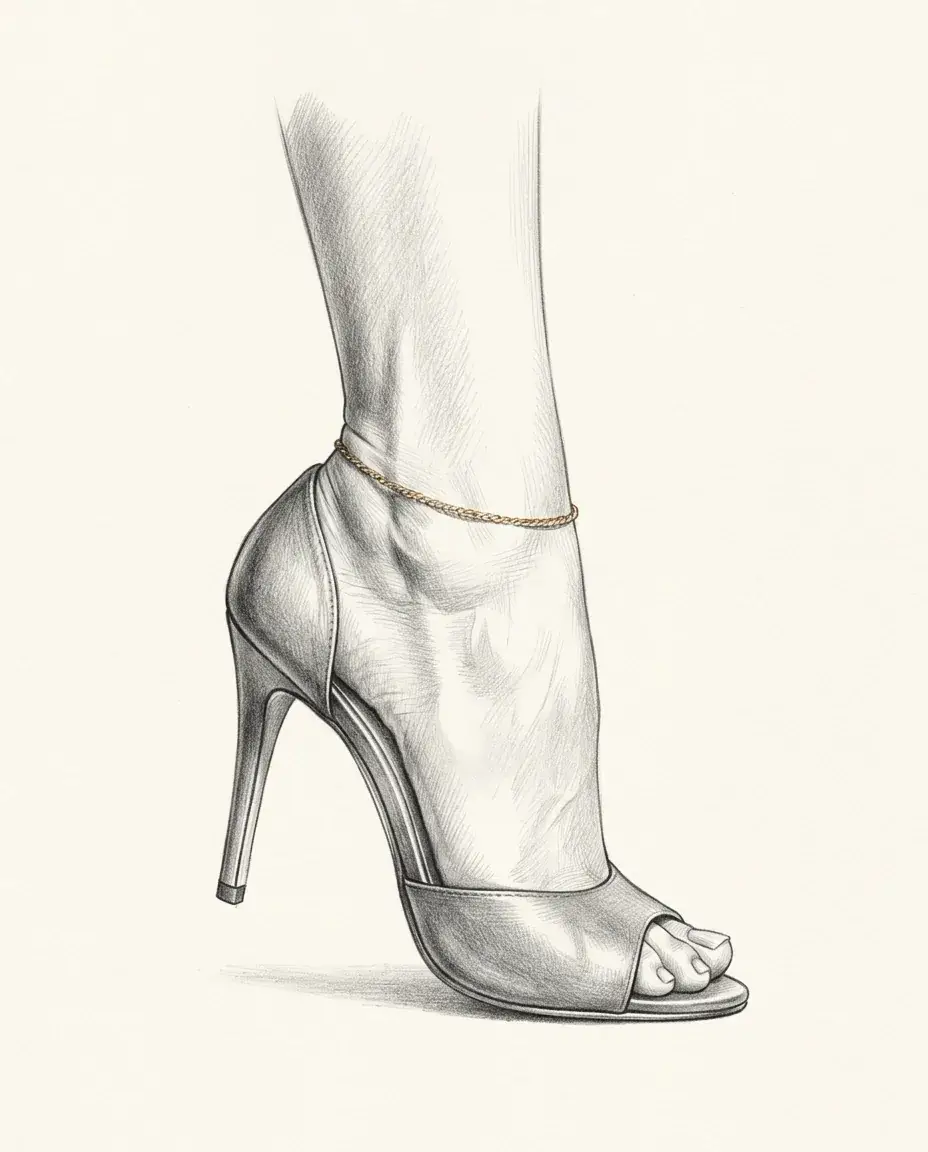
- High-heel trampling, the highest-risk form, in which a stiletto concentrates weight onto a tiny area.
- Standing versus walking, where slow weight-shifts allow far more control than dynamic steps.
Practitioners distinguish soft trampling (careful, low-impact weight placed on padded, muscular areas such as the back, thighs, or buttocks) from hard trampling, the riskier delivery of full or jumping weight, often onto more vulnerable regions. The interest frequently combines with Foot Worship, Foot Domination, bondage, and verbal humiliation, and shares sensation-play territory with targeted impact practices like Bastinado.
Psychology
Reported motives cluster around three overlapping threads: masochistic enjoyment of pressure and concentrated sensation; an erotic focus on feet or footwear as the instrument of contact; and dominance–submission dynamics, where being literally beneath and walked upon expresses surrender and trust. For many participants the appeal is the headspace (the submissive sense of yielding control and the present-moment focus that intense sensation produces) more than pain itself. Fantasies of this kind are far from rare: in the general-population fantasy survey by Joyal, Cossette & Lapierre (2015), submission and domination themes ranked among the most common rather than unusual fantasies, with dominance and submission fantasies each reported by a large share of respondents. As with BDSM generally, trampling is understood as a benign variation rather than a disorder. Dedicated research on the practice itself is sparse, so most explanation is extrapolated from broader work on masochism, dominance and submission, and foot partialism.
Prevalence & culture
No survey measures trampling directly, so estimates rely on proxies from its two parent interests. In the large internet study by Scorolli and colleagues (2007), published in the International Journal of Impotence Research, feet and foot-associated objects were by a wide margin the most common body-part fetish, accounting for roughly 47% of the body-part preferences sampled. Trampling draws on that large pool of foot-focused interest plus the substantial population reporting masochistic or submissive interest, documented in work such as Joyal & Carpentier (2017), which found paraphilic-adjacent interests including submission to be widespread in the general population. Only a small fraction of either group engages specifically in being walked on, so trampling is best estimated as an uncommon but well-supported niche, with visibility concentrated in BDSM community spaces, foot-fetish media, and clip markets rather than mainstream culture.
Safety, consent & law
Trampling carries real, documented physical risk: a standing adult can place tens of kilograms onto a small contact patch, and the danger scales sharply as that area shrinks. Concentrated force from a stiletto heel can fracture ribs or damage internal organs, and blunt chest trauma can, in rare cases, be fatal. Risk-aware practice therefore centres on weight distribution: keeping load on padded, muscular areas (back, thighs, buttocks), avoiding the head, neck, spine, kidneys, and the front of the abdomen and chest, favouring slow standing over jumping, using a support such as a wall or chair to meter weight, and starting with soft, barefoot trampling before any harder or footwear-based escalation. Clear negotiation, a non-verbal safe signal (a tapping-out gesture, since speech and breathing can be restricted under load), and aftercare are standard.
Between consenting adults the practice is legal in most jurisdictions; non-consensual trampling is assault, and in some legal systems consent does not extend to the infliction of serious bodily injury. Trampling should not be confused with the separate crush fetish, which concerns arousal at the crushing of objects or small animals. "Soft crush" of objects is generally lawful, but commercial animal crush videos are illegal in the United States: after the Supreme Court struck down an earlier 1999 statute as overbroad in United States v. Stevens (2010), Congress passed the narrower Animal Crush Video Prohibition Act of 2010. Trampling between consenting people is a wholly different, legal activity.
Common questions
Is trampling dangerous?
Yes, genuinely. An adult standing on another person drives tens of kilograms through whatever part of the foot is bearing the load, and the body underneath has no way to spread it. Concentrated force can fracture ribs or damage internal organs, and blunt chest trauma can in rare cases be fatal. The risk is managed rather than removed, through padded surfaces, muscular target areas, slow weight transfer and a way for the person underneath to stop it instantly.
Where on the body is it safest to stand?
On padded, muscular regions that can take load: the back over the large muscles, the thighs and the buttocks. The areas to avoid are the head, the neck, the spine itself, the kidneys, and the front of the abdomen and chest, where organs sit close to the surface with little protecting them. Weight should go on gradually, with a wall or chair used to meter how much is actually transferred rather than committing all of it at once.
Are high heels more dangerous than bare feet?
Considerably. Pressure is force divided by area, so the same body weight through a stiletto tip lands on a few square centimetres instead of a whole sole, which is the single largest escalation available in the practice. Walking is riskier than standing for a related reason: a step delivers weight faster than the person underneath can brace. Sensible progression starts barefoot and stationary and adds footwear or movement only later.
How does the person underneath signal to stop?
With something non-verbal, agreed beforehand. Weight on the torso can make speech difficult and breathing shallow, so a spoken safeword is not enough on its own. Common arrangements are a repeated tap on the floor or on the partner's leg, or holding an object that gets dropped the moment the person cannot hold it. The person on top carries the responsibility of watching for that signal continuously rather than waiting to be told.
Do you need a foot fetish to enjoy trampling?
No. The reported draws split three ways and only one of them is about feet: some participants are there for concentrated pressure as sensation, some for the foot or footwear as the instrument of contact, and some for the dominance dynamic of being literally underfoot. Plenty of people arrive through impact play or power exchange with no particular interest in feet at all.
Is trampling the same thing as a crush fetish?
No, and the confusion has legal consequences. A crush fetish concerns arousal at the crushing of objects or, in its illegal form, small animals, whereas trampling involves a consenting adult. Soft crush of objects is generally lawful, but commercial animal crush videos are a federal offence in the United States under the Animal Crush Video Prohibition Act of 2010, passed after the Supreme Court struck down an earlier, overbroad statute in United States v. Stevens.
Is trampling legal?
Between consenting adults it is legal in most jurisdictions and raises no issue of its own. Two limits apply. Trampling someone who has not agreed to it is assault, plainly. And in a number of legal systems consent does not extend to the infliction of serious bodily injury, so an injury severe enough to need treatment can fall outside what consent protects, regardless of what was agreed in advance.
From the blog
- Foot Domination48/100Power, Roles & ScenariosA power-exchange practice in which a dominant uses their feet as the instrument of control over a consenting submissive. Typical acts are directing the submissive to kiss, lick or clean the feet, holding them underfoot, or foot-gagging. It is the dominant-framed counterpart to foot worship.48
- Foot Worship55/100Power, Roles & ScenariosThe submissive, reverent practice of kissing, massaging, caressing or venerating a partner's feet, usually inside a dominance-and-submission dynamic. It names an activity and a ritual of devotion rather than the underlying attraction, which is the foot fetish.55
- Impact Play71/100Sensation & PainAn umbrella term for consensual BDSM activities in which one partner strikes another's body with a hand or implement for erotic sensation or power exchange. It spans light spanking through to firmer use of paddles, floggers, crops, and canes within negotiated limits.71
- Bastinado / Foot Whipping37/100Sensation & PainConsensual impact play that concentrates strokes on the bare soles of the feet, a foot-centred subset of BDSM sensation play. Because the soles are nerve-dense and lightly padded, it yields intense sensation and carries elevated injury risk, so practitioners keep it firmly risk-aware.37
- Hair Pulling44/100Trichophilia · Sensation & PainA consensual interest in the sensation and dynamic of pulling, or having one's hair pulled, during intimacy. The appeal blends scalp tension, dominance and surrender, and the guided movement the grip allows.44
- Ballbusting41/100Sensation & PainConsensual BDSM activity in which a partner applies blunt force (kicking, kneeing, squeezing or striking) to the testicles. A focused subset of cock-and-ball torture, often within femdom or humiliation play, it carries a real risk of genital injury.41
foot-focused · pressure/weight · dominance-submission · sensation play
Prevalence is computed from the entry's cited population estimate. Rows marked ESTare indicative editorial estimates scored against a fixed anchor rubric, not measured quantities. Method & anchors: methodology.
Uncommon · ≈ 1 in 100
- 01Trampling (sexual practice), Wikipediadefinition (being stepped/stood/walked on), footwear range from bare feet to high heels, overlap with foot fetishism and BDSM/sadomasochism, the dominance–submission and masochistic motives, the distinction from crush fetish, the 'Kevin Carpet' / The Cut (October 2022) cultural reference, and the medical risk (stiletto force fracturing ribs or damaging organs)
- 02Scorolli et al. (2007), Relative prevalence of different fetishes, Int. J. Impotence Research 19(4):432-437foot-interest prevalence anchor (feet ~47% of body-part fetishes), the parent interest that trampling draws on; estimates scaled down from it
- 03Crush fetish, Wikipediathe separate object/animal-crushing interest, soft vs hard crush, and the legal status of animal crush videos (1999 statute, United States v. Stevens 2010, Animal Crush Video Prohibition Act of 2010) used to distinguish trampling from crush
- 04Joyal, Cossette & Lapierre (2015), What Exactly Is an Unusual Sexual Fantasy?, Journal of Sexual Medicine 12(2):328-340general-population survey finding submission and domination fantasies to be among the most common rather than unusual, contextualising the D/S appeal of being walked on
- 05Joyal & Carpentier (2017), The Prevalence of Paraphilic Interests and Behaviors in the General Population, Journal of Sex Research 54(2):161-171paraphilic-adjacent interests including submission are widespread in the general population, the population trampling draws on
- 06Psychopathia Sexualis, WikipediaKrafft-Ebing (1886) coined sadism/masochism and catalogued being subjected to and trodden upon, the sexological lineage that frames trampling as a masochistic/foot-focused variant
- 07Foot fetishism, Wikipediathe documented history of foot/shoe eroticism (Krafft-Ebing, Havelock Ellis) within which trampling sits
- 08DSM-5-TR, Paraphilic Disorders (American Psychiatric Association, 2022)consensual sadomasochism and partialism treated as non-disordered absent distress, harm or non-consent; trampling is not separately listed