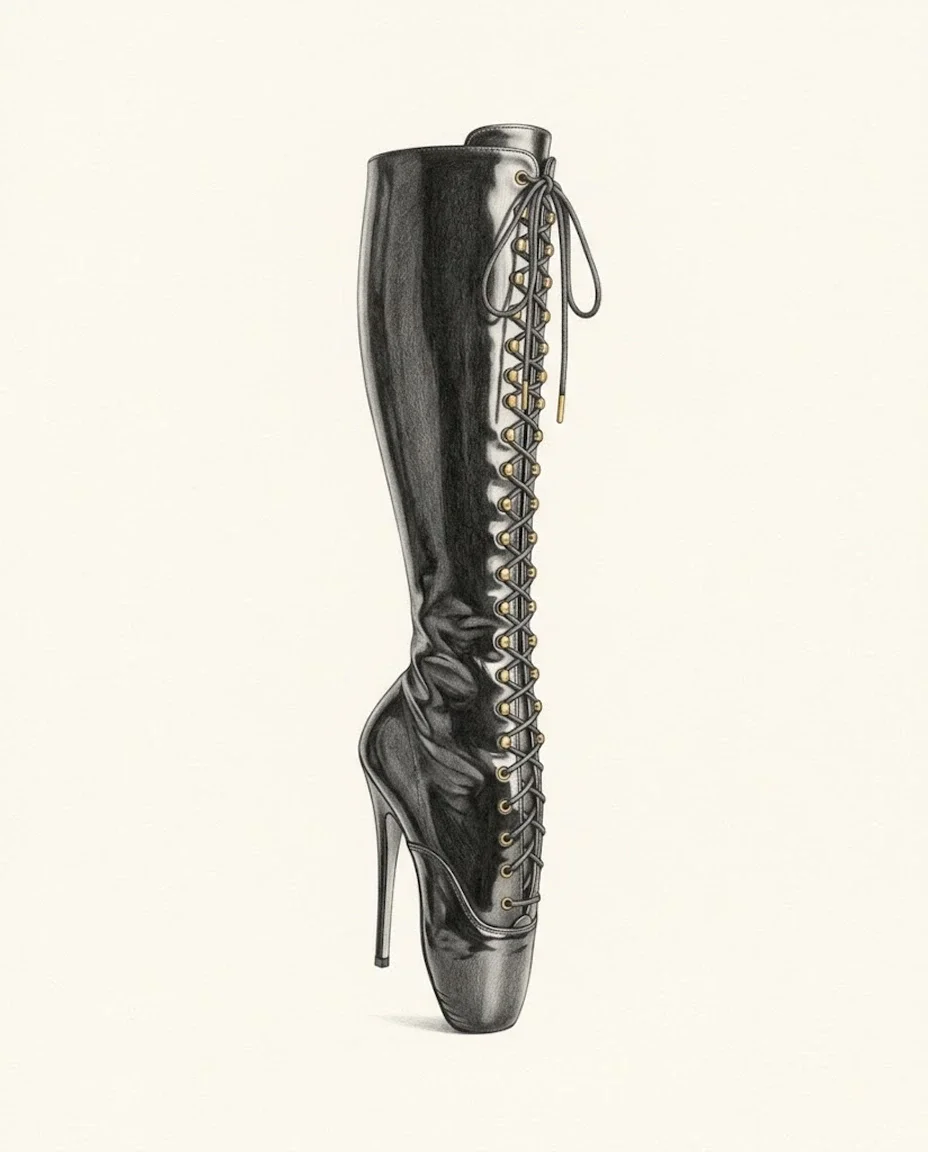
Ballet Boot Fetish
Added 7 Sep 2026
An erotic interest in ballet boots, the fetish footwear that holds the foot fully en pointe on a seven-inch heel. The appeal lies in the leg line, the object itself and the limit it places on walking. A niche within shoe and boot fetishism.
- Prevalence
- Uncommon
- Category
- Clothing & Garments
- Domain
- Sexual interest
- Confidence
- Low confidence
- Status
- A benign variation of sexual interest. Neither manual names any footwear interest; an object fetish is a disorder only with distress, impairment or a non-consenting person.
- Also known as
- ballet boots, ballet heels, pointe boots, en pointe heels, ballet boot fetishism
- Added
- 7 Sep 2026
Featured in
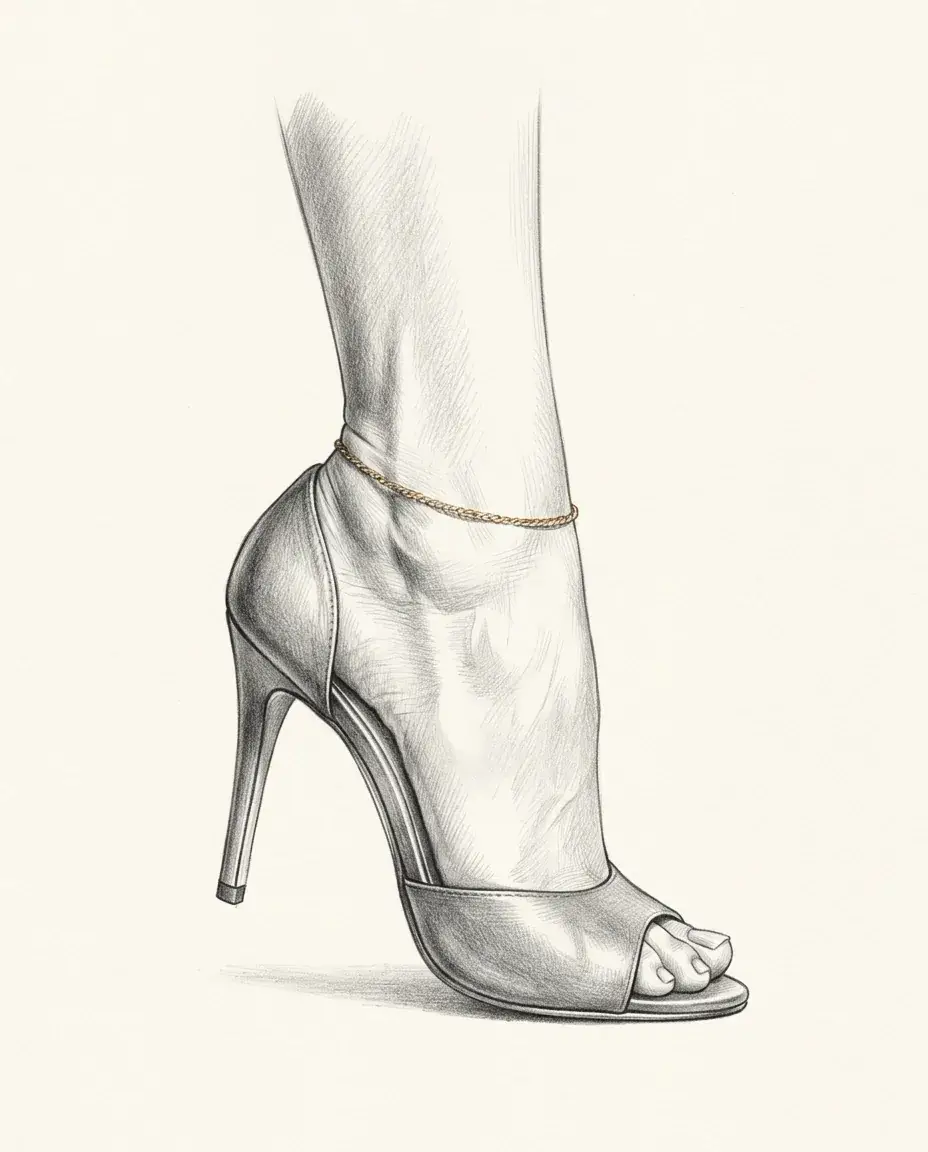
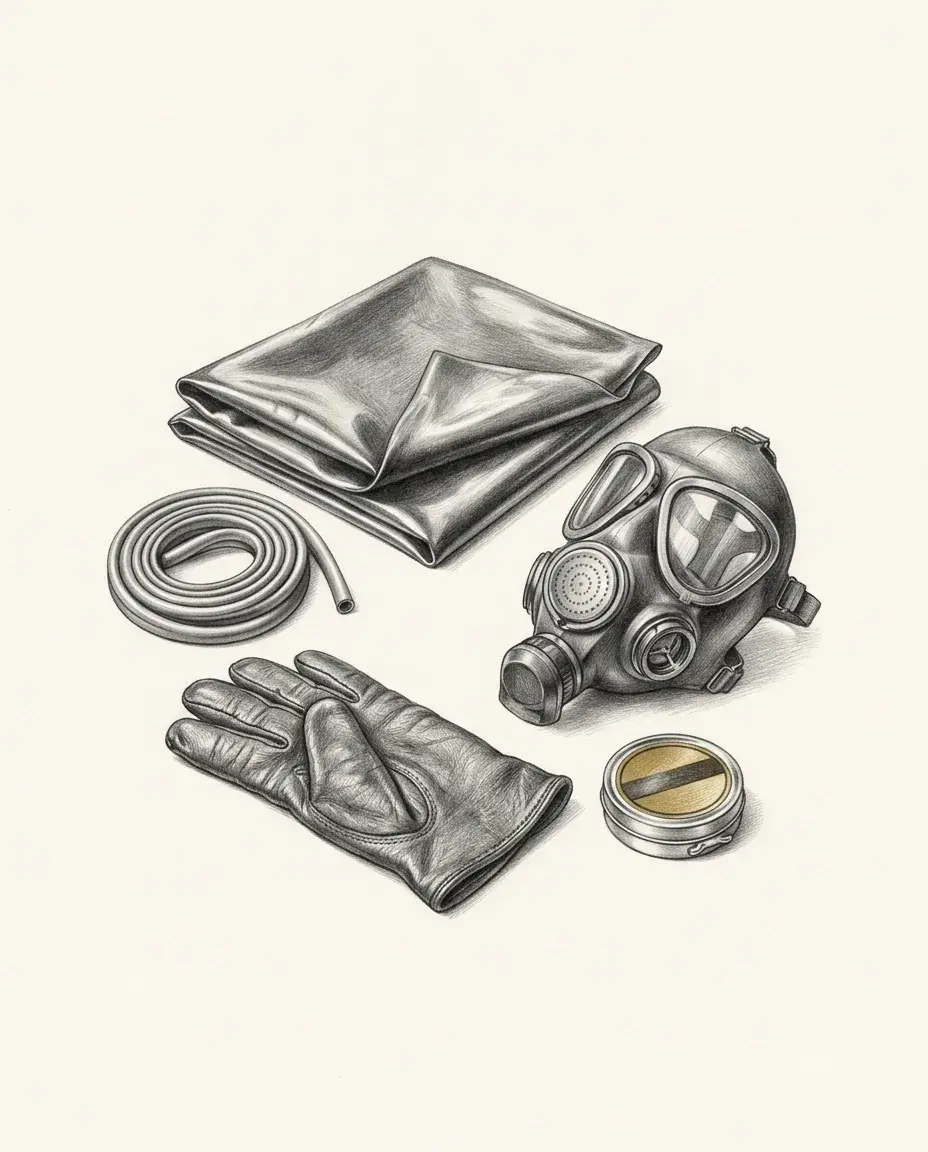
Overview
A ballet boot fetish is an erotic interest in ballet boots, the footwear that holds the foot fully en pointe, toes down and heel raised, the way a dancer's pointe shoe does, and then adds a heel of seven inches or more so the wearer stands on the tips of the toes with the sole almost vertical. The boot is a fetish object first and a shoe second: it belongs to the family of shoe fetishism that the clinical literature calls retifism, sits at the extreme end of high heel fetish, and borrows the shaft, the lacing and the leather of the boot fetish. What sets it apart is the posture it enforces and the limit it places on walking, which is why it turns up in bondage as often as in fashion photography.
Definition & scope
The defining feature is the pointe position. A ballet boot has a toe box shaped like a pointe shoe's, a heel that keeps the arch fully extended, and a shaft that laces or zips from the ankle to the knee or the thigh, in leather, patent or PVC. Standing in one is possible; walking is a skill that takes practice and rarely lasts more than a short distance. The interest can attach to the object on its own, to the shape it gives the leg and the foot, or to the constraint, since a person in ballet boots cannot run, climb or hurry.
Examples
What the term covers. Collecting and photographing the boots as objects; wearing them for scenes, portraits or fetish events; training to stand and take steps in them, which forums treat as an accomplishment in its own right; the boots as a restraint in a bondage scene, where they immobilise a standing partner without rope; and the boots as a costume element in foot domination, where the pointed foot is presented for attention.
What the term does not cover. A general high heel fetish covers stilettos, pumps and platforms a person can walk in all day; ballet boots are the one style that removes walking from the picture. A boot fetish centres on the shaft, the material and the connotations of riding, combat and work boots, and most boot enthusiasts have no interest in pointe. Dancers' pointe shoes, the ballet article the boot imitates, are a working tool and carry no erotic charge in the studio. A foot fetish is an attraction to the foot itself, which the boot conceals entirely; the two interests overlap in some people and are counted separately.
How the word is used. The vocabulary is fetish fashion's: ballet boots, ballet heels, pointe boots and en pointe heels all name the same object, and makers and forums use them interchangeably. Neither the DSM-5-TR nor the ICD-11 names any footwear interest; both manuals handle an object fetish under fetishistic disorder, and only where there is distress, impairment or a non-consenting person.
History & origins
The pointe shoe the boot imitates
The position comes from the ballet stage. Dancing on the tips of the toes was established in the early nineteenth century, and Marie Taglioni's performance in La Sylphide in 1832 is the one the history of the pointe shoe treats as the moment the technique became the centre of Romantic ballet. The ballet boot borrows the silhouette and none of the engineering: a pointe shoe lets a trained dancer rise and lower, a ballet boot fixes the foot in place.
Extreme heels as a fetish object
The heel has its own record. David Kunzle's Fashion and Fetishism, first published in 1982, documents a correspondence culture of extreme-heel enthusiasts in British popular magazines of the 1920s and 1930s, decades before the boots themselves were manufactured. The Wikipedia article on ballet boots describes them as a fetish item by origin and design, made by specialist shoemakers for a small market and sold through mail order and later online. Fashion editorial and pop performance brought the shape to a wider public in the 2000s and 2010s.
In practice
The interest is expressed through the object more than through any act. People collect the boots, photograph them worn and unworn, and post the pictures to communities that trade fitting advice. Wearing is brief and usually supported: a chair, a wall, a partner's arm or a bar to hold. Standing time builds with practice, and a few wearers walk short distances on a firm floor. In a scene the boots do the work of a restraint, holding a standing partner in place, and they are often paired with the materials the latex, leather and rubber collection covers, since most are made from the same leather, patent and PVC.
Psychology
The standard accounts for an object fetish apply. Associative learning, the model the entries on shoe fetish and high heel fetish carry, holds that a garment paired with arousal becomes arousing in its own right, and a boot that exaggerates the heel's effect on posture and leg line exaggerates the cue. A second thread runs through power exchange: the boot restricts, and restriction reads as control to the wearer and the watcher both, which is why the object appears in bondage and domination contexts as readily as in fashion. A third is display, the boot as a difficult thing to wear and therefore worth showing. None of these has been tested for this object, and the literature on footwear fetishism does not separate ballet boots from heels in general.
Prevalence & culture
No survey measures the interest. The parent categories are measured: in Scorolli and colleagues' 2007 analysis of 381 online fetish groups, footwear sat beside feet as one of the two largest object categories. The catalog estimates ballet boots at well under one adult in a hundred, a niche within the high heel and boot interests it draws on, and marks the confidence low. The object's visibility outruns its prevalence: it appears in fetish fashion editorials, music performance and gallery photography.
Safety, consent & law
The interest raises no legal concern of its own and is no disorder under either manual. The practical risks belong to the boot. Standing en pointe loads the toes and the ankle the way pointe work does, without a dancer's training, so wearing time is short, support is standard, and a fall from a seven-inch heel is a real injury. Numbness or pain is the cue to stop. As a restraint the boots follow the rules any restraint follows: an agreed signal, a partner within reach, and a way to sit down and unlace quickly.
Common questions
What is the difference between ballet boots and high heels?
The position of the foot. A high heel raises the heel and keeps the ball of the foot on the ground, so the wearer can walk. A ballet boot holds the foot fully en pointe, toes down and sole almost vertical, on a heel of seven inches or more, so standing needs practice and walking is a short-distance skill. The high heel fetish covers the first; this entry covers the second.
Can you walk in ballet boots?
Yes, for short distances, with practice, on a firm floor. Most wearers stand with support, a chair, a wall or a partner's arm, and build up standing time before attempting steps. The boots load the toes and the ankle the way pointe work does without a dancer's training, so wearing time stays short and pain or numbness is the signal to stop.
Are ballet boots the same as pointe shoes?
No. A pointe shoe is a dancer's working tool, built with a stiffened box and shank so a trained dancer can rise onto the toes and come down again. A ballet boot copies the silhouette and fixes the foot in place with a heel and a laced shaft; it is a fetish-fashion object by origin, and it carries none of the shoe's function.
Why are ballet boots used in bondage?
Because they immobilise a standing partner without rope. A person in ballet boots cannot run, climb or hurry, and standing itself takes concentration, so the boots do the work of a restraint on their own. The same rules apply as to any restraint: an agreed signal, a partner within reach, and a way to sit down and unlace quickly. The bondage entry covers the general practice.
How common is a ballet boot fetish?
No survey measures it. The parent class is measured: in Scorolli and colleagues' 2007 analysis of 381 online fetish groups, footwear was one of the two largest object categories. The catalog estimates the ballet boot interest at well under one adult in a hundred, a niche inside the high heel and boot interests, and marks the confidence low.
Is a ballet boot fetish a disorder?
No. Neither the DSM-5-TR nor the ICD-11 names any footwear interest. Both manuals handle an object fetish under fetishistic disorder, and only where it causes the person clinically significant distress or impairment or involves someone who has not consented. An interest in the boots, worn or watched between consenting adults, meets no criterion.
- High Heel Fetish56/100Altocalciphilia · Clothing & GarmentsA focused sexual interest in high-heeled shoes (stilettos, pumps, platforms) and the height, posture, and leg line they create. It is a common, generally harmless subtype of shoe fetishism.56
- Boot Fetish52/100Clothing & GarmentsA sexual interest in boots, from knee-high and thigh-high fashion styles through riding, work, combat, and military boots. They are valued for their silhouette, materials, and connotations of authority. It overlaps with shoe, leather, and uniform fetishism.52
- Shoe Fetish65/100Retifism · Clothing & GarmentsA sexual interest in shoes as objects of attraction or arousal, valued for their style, material, and associations rather than the wearer. Clinically termed retifism, it is among the most frequently documented garment fetishes in survey and case literature.65
- Foot Fetish83/100Podophilia · Body Parts & PartialismA focused erotic interest in feet (their shape, soles, toes, arches, or grooming) as a primary source of attraction. Within partialism (erotic focus on a non-genital body part) it is the example people report most, by a wide margin.83
- Bondage86/100Acts & ActivitiesConsensual binding or restraint of a partner with rope, cuffs, tape or other materials for erotic, aesthetic or sensory pleasure. It is the "B" of BDSM and one of the most widely fantasised-about kinks.86
- Foot Domination48/100Power, Roles & ScenariosA power-exchange practice in which a dominant uses their feet as the instrument of control over a consenting submissive. Typical acts are directing the submissive to kiss, lick or clean the feet, holding them underfoot, or foot-gagging. It is the dominant-framed counterpart to foot worship.48
"Ballet boot" is a descriptive fashion-trade compound: a boot whose toe box and heel hold the foot en pointe like a ballet dancer's pointe shoe, a position established on stage in the early nineteenth century. It is late-twentieth-century fetish-fashion vocabulary with no clinical derivation.
footwear · fetish fashion · restrictive garments
Prevalence is computed from the entry's cited population estimate. Rows marked ESTare indicative editorial estimates scored against a fixed anchor rubric, not measured quantities. Method & anchors: methodology.
Uncommon · ≈ 1 in 100
- 01Ballet boot, Wikipediadefinition of the ballet boot as fetish footwear holding the foot en pointe on an extreme heel; its origin and design as a fetish item; the limits it places on standing and walking
- 02Pointe shoe, Wikipediathe pointe position the boot imitates; Marie Taglioni's 1832 La Sylphide as the moment pointe work became central to Romantic ballet; the stiffened box and shank
- 03Scorolli et al. (2007), Relative prevalence of different fetishes, Int. J. Impotence Research 19(4):432-437footwear as one of the two largest object-fetish categories in the 381-group community analysis, the parent class the ballet boot interest belongs to
- 04Kunzle, David. Fashion and Fetishism (1982; rev. ed. 2004), Wikipediadocumentation of extreme-heel enthusiast correspondence in British popular magazines of the 1920s and 1930s and of the very high heel as a long-standing object fetish
- 05DSM-5-TR, Paraphilic Disorders (American Psychiatric Association, 2022)no footwear interest is named; fetishistic disorder requires distress, impairment or non-consent
- 06ICD-11, Paraphilic disorders (World Health Organization)an object fetish is a disorder only with distress, impairment or a non-consenting person