Loading the index…
Latex, Leather & Rubber
Some desire is bound to a material rather than a body part: the shine, smell and tight second-skin feel of latex, leather, rubber, PVC and spandex. This collection gathers those material fetishes and the encasement gear (catsuits, gloves, gas masks and vacuum beds), built from them.
15 entriesAbout this collection ↓




About this collection
Some desire attaches to a material rather than a body part, and this collection is the catalog's map of the materials that hold it: latex, leather, rubber, PVC and spandex, and the gear made from them. Thirteen entries, filed under objects and clothing, led by leather fetish at rank 39 and latex fetish at 49. The rest are the specific garments and the specific enclosures, down to the vacuum bed, which the catalog rates rare at an estimated 0.15 percent of adults.
The materials attract different people, and the FAQ below takes that question first. Leather is the older interest and the more social one, with a subculture that has bars, codes and titles of its own and a history running through the gay leather scene of the 1950s onward; latex is newer, tighter and more solitary, and its imagery is the second skin. The catalog keeps them apart because the communities do.
What the collection gathers
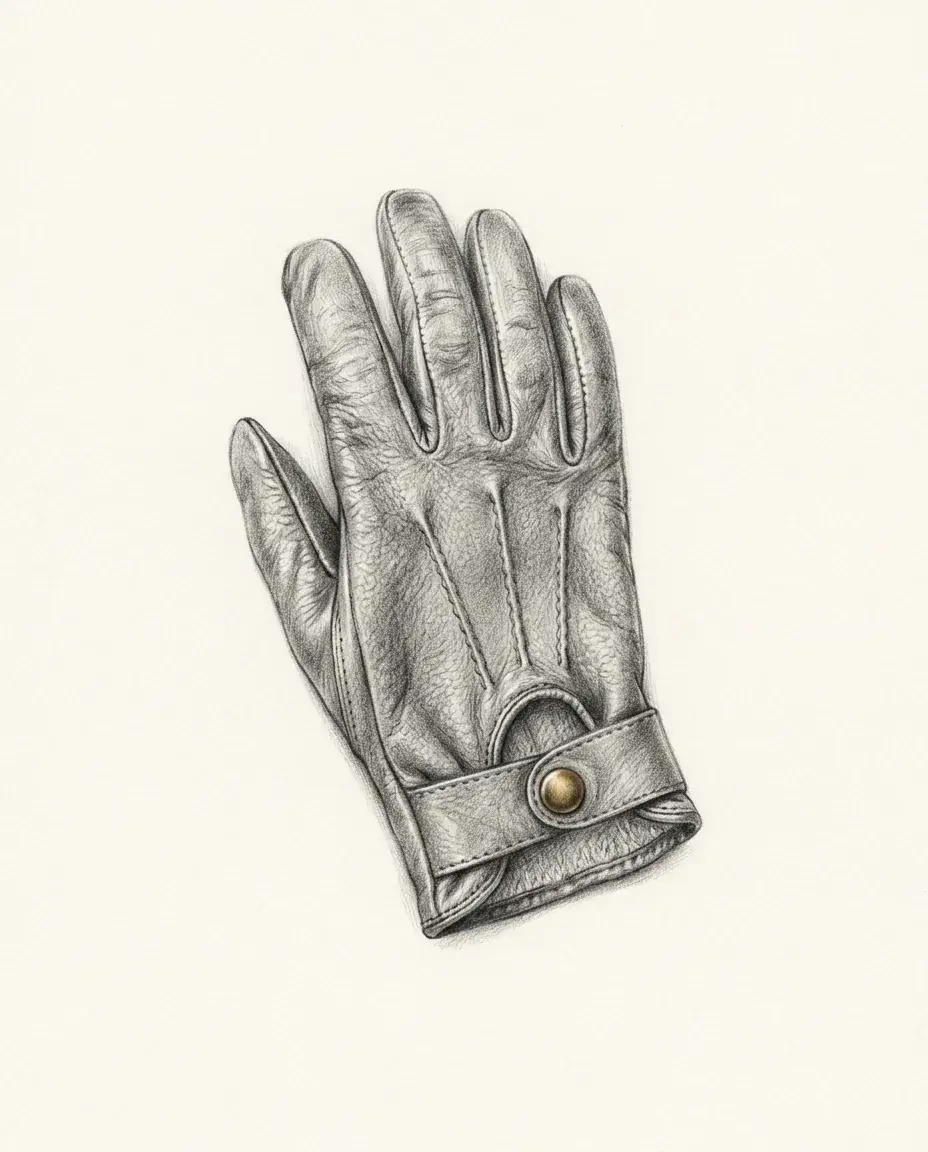
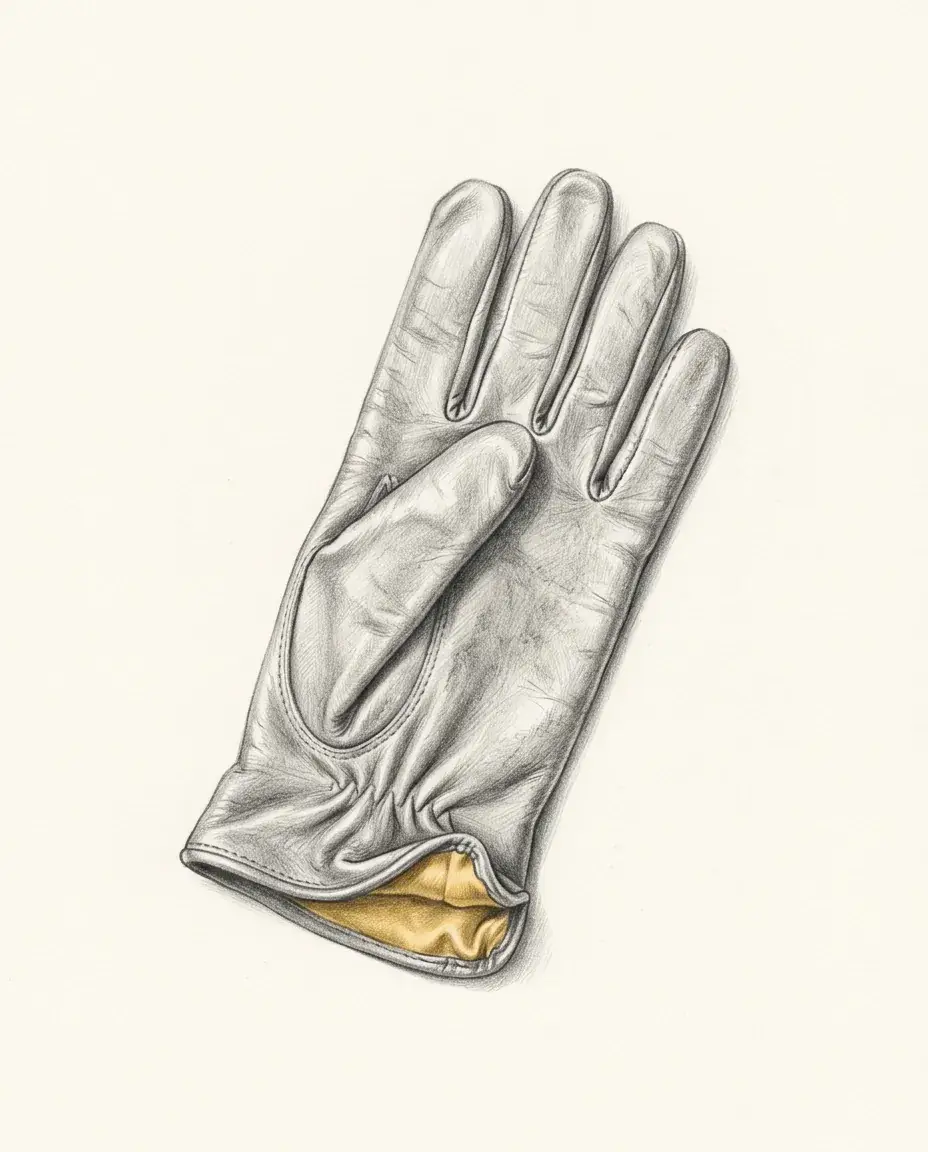
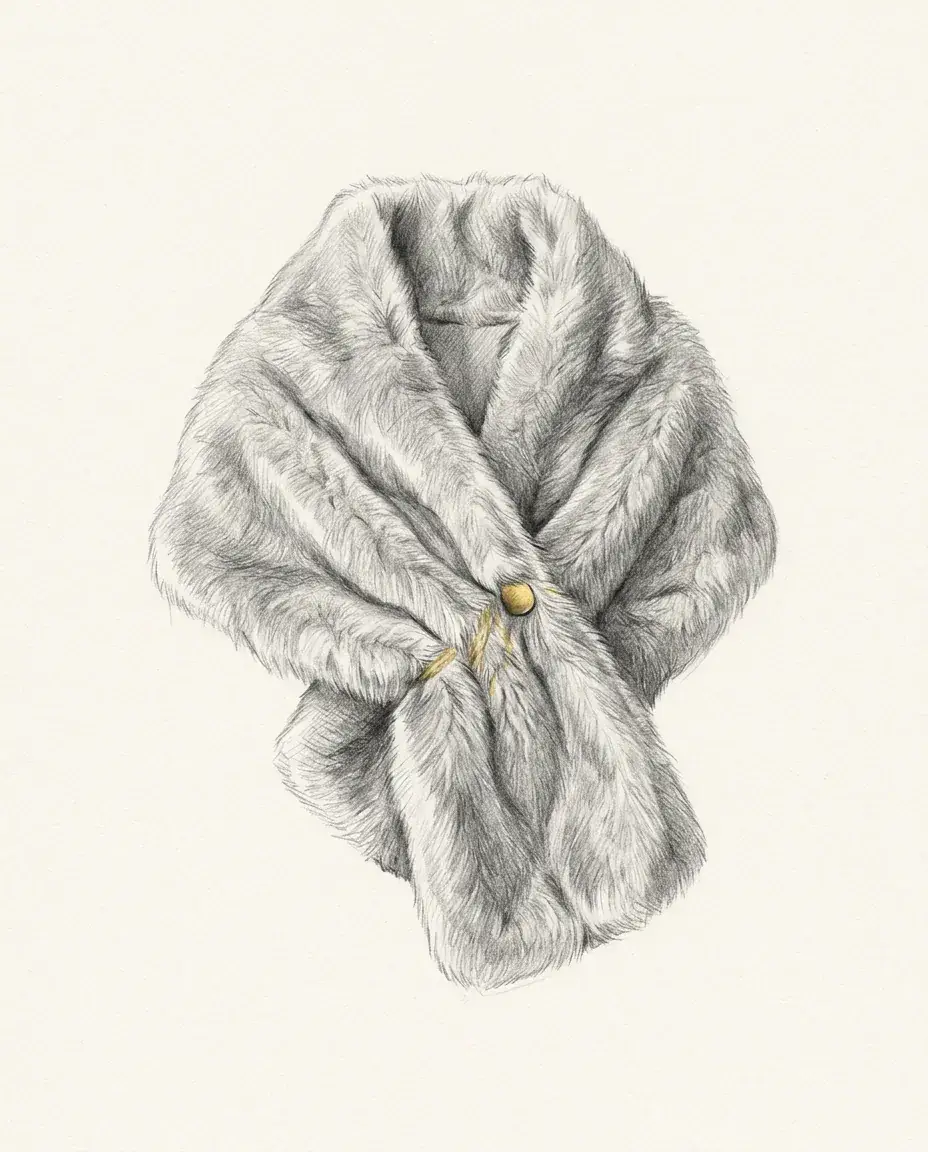
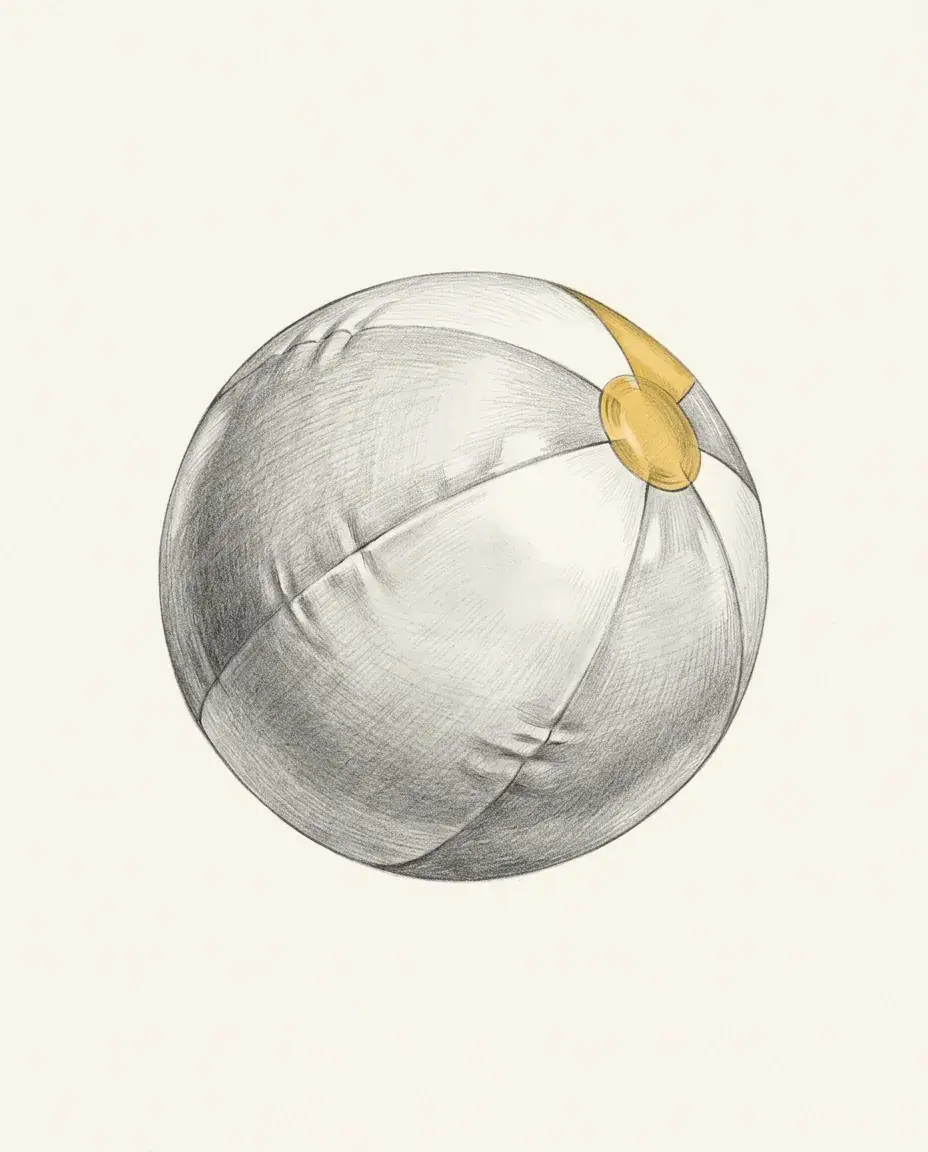
Five materials and the things made from them, ordered by how much of the body they cover. The materials come first: leather, latex, rubber, PVC and spandex, with fur clothing, clinically doraphilia, as the soft exception in a list of shine. The garments follow: leather gloves, the raincoat in rubberised or PVC form, the inflatable objects whose vinyl is the point, and the wetsuit, neoprene worn as a second skin, the one member that came in from the water.
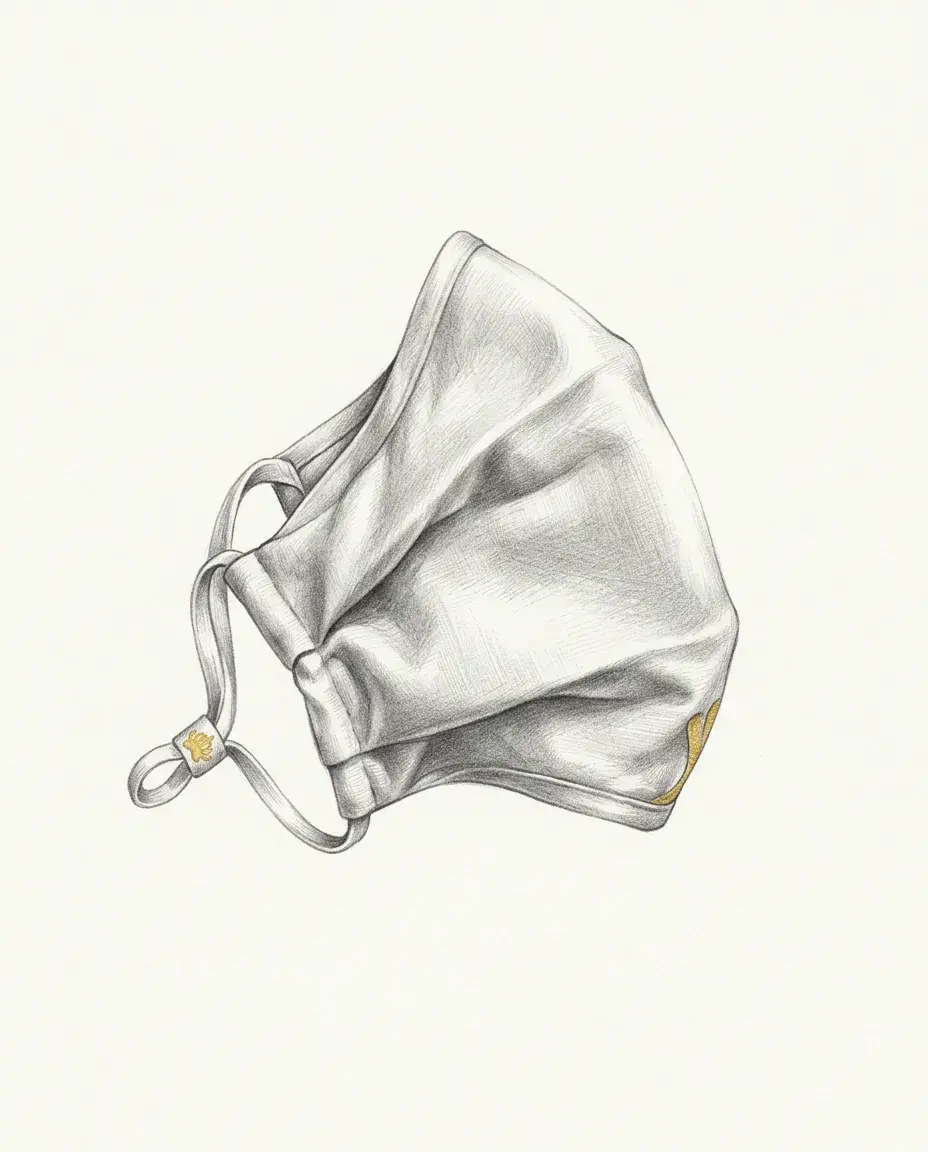
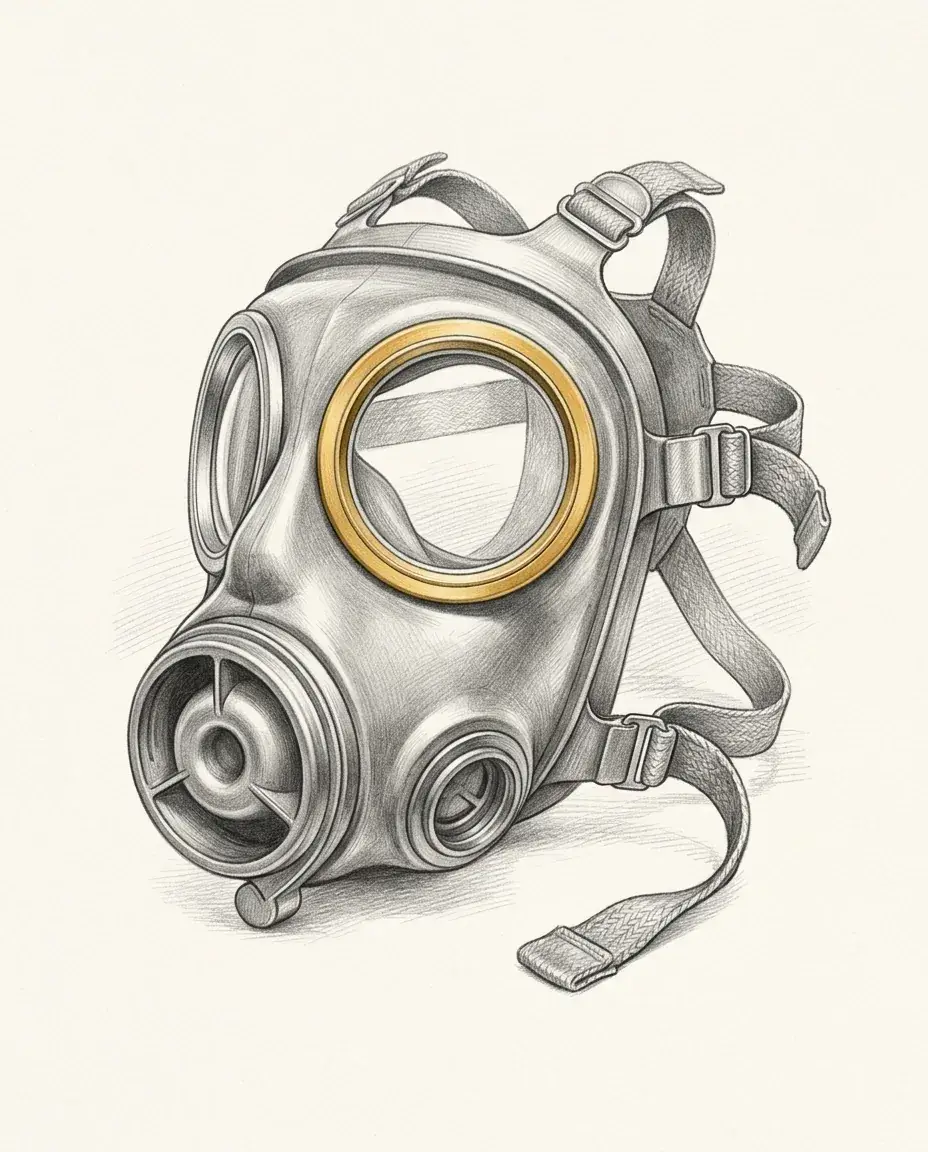
The enclosures are the collection's own subject. Zentai covers the whole body including the face in nylon-spandex; the mask fetish and the gas mask fetish cover the head, the second adding the rubber and the altered breathing; the vacuum bed seals the body in a latex envelope from which the air is pumped out. Each is a step further into the same interest, the material as a second skin, and the entries carry the risk framing that full-body enclosure needs.
Where its edges are
Rubber and latex are the same substance and different interests, and the FAQ below explains the difference: rubber fetishism, the older word, tends to mean the heavier matte material and the enveloping feel; latex fetishism means the thin, glossy, tight garment. The catalog files both because the communities use both, and the entries say which is which.
The collection borders BDSM on the leather side, where the material is the gear of a scene, and Lingerie and underwear on the soft side, where silk and lace hold the same kind of material interest at the opposite end of the texture scale. Zentai and kigurumi also appear in the fandom collection, because a full-body suit is a costume as well as an enclosure.
How the ranking reads
Three entries are common, seven uncommon and five rare, which makes this one of the more thinly spread collections in the catalog. Leather at an estimated 6 percent and latex at 4 percent are the whole of the common band; everything below them is a specific garment or a specific enclosure reported by around 1 percent of adults or fewer. The shape is a material interest with two broad forms and many narrow ones, and the entries are written so a reader who arrives at the narrow one can find the broad one it belongs to.
Common questions
Why do latex and leather attract different crowds?
They offer opposite things. Latex and rubber are tight, shiny and enclosing, changing how a body looks and feels from the outside in, with smell and sound part of the appeal. Leather is heavy, structured and durable, and it carries decades of subcultural history that a garment made yesterday does not. One transforms the wearer; the other places them.
Can someone with a latex allergy still take part?
Usually, by changing material. Reactions are to proteins in natural rubber latex, so garments in PVC, spandex or leather carry none of that risk and cover much of the same visual ground. Sensitivity can also develop with repeated exposure rather than being present from the start, and a severe allergy is a medical question rather than a wardrobe one.
What does 'second skin' mean?
It names the appeal of a garment fitted closely enough to read as the body's surface rather than as clothing. Full coverage takes it furthest: a zentai suit removes face and hands from view, a mask removes expression, and a vacuum bed presses a sheet against the whole body. Touch is filtered through the material instead of blocked.
Is a rubber fetish the same as a latex fetish?
Close, and the words get swapped constantly. Strictly, latex is one rubber, the natural kind, and it makes the thin shiny garments most associated with the scene. Rubber is used more broadly, taking in thicker industrial stock, boots and heavy gear, and it carries a different aesthetic even where the chemistry overlaps.
Is full-body encasement risky?
It calls for a sober partner and a plan. Sealed garments trap heat and stop sweat evaporating, so overheating arrives sooner than people expect, and a gas mask or a vacuum bed adds restricted airflow and near-total loss of vision and movement. Nothing in this group belongs in a solo session, and a way out that does not depend on the wearer is standard.