Loading the index…
Lingerie & Underwear
A collection for the garments worn closest to the body and the desire they carry: lingerie, panties, stockings, garters and corsetry, together with the silks, laces and satins that define them. Drawn from across the clothing and materials categories.
10 entriesAbout this collection ↓



About this collection
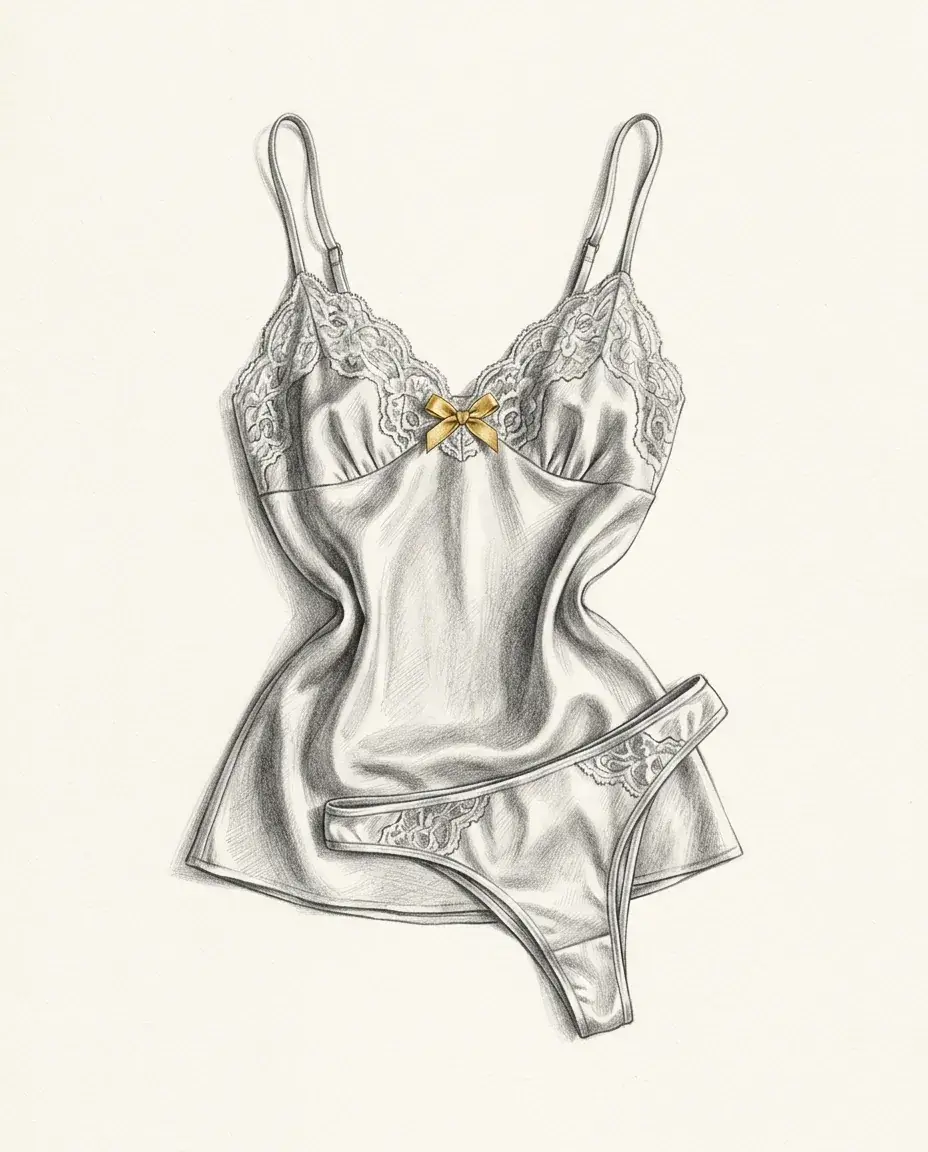
This collection gathers the garments worn closest to the body and the fabrics they are made of: lingerie, panties, stockings, garter belts and corsetry, and the silk, lace and satin that define them. Nine entries, all filed under clothing or materials, and one of them, lingerie fetish, in the catalog's top 25 at an estimated 12 percent of adults. The rest fall away from there, garment by garment and fabric by fabric.
Garment fetishism has the oldest documentation of any object interest. Charcot and Magnan's 1882 case notes describe patients attached to nightcaps and white aprons, and Alfred Binet's 1887 essay, which coined the erotic sense of fetish, drew on them. The DSM-5-TR still names garments in the criteria for fetishistic disorder, and excludes one category from them: clothing used in cross-dressing, which belongs to a different diagnosis and a different collection.
What the collection gathers
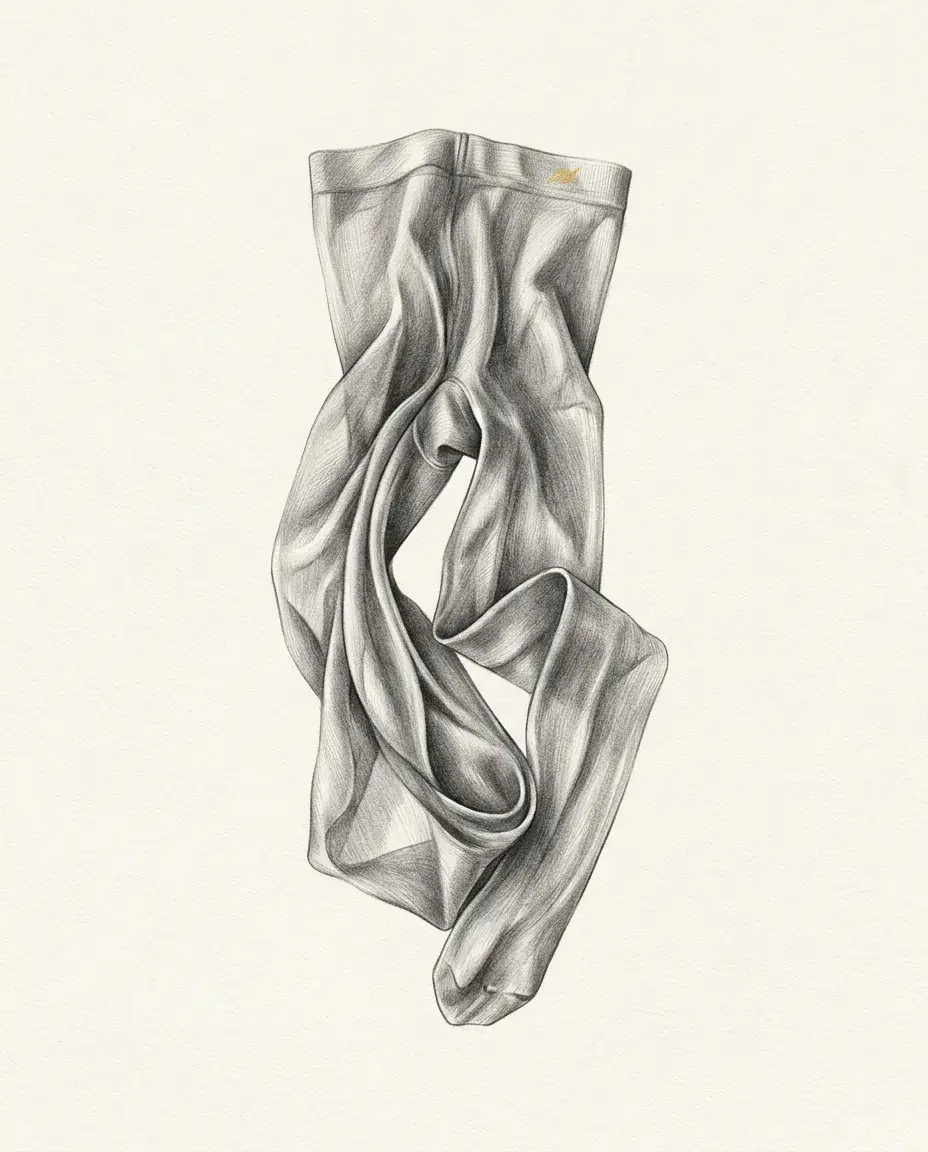
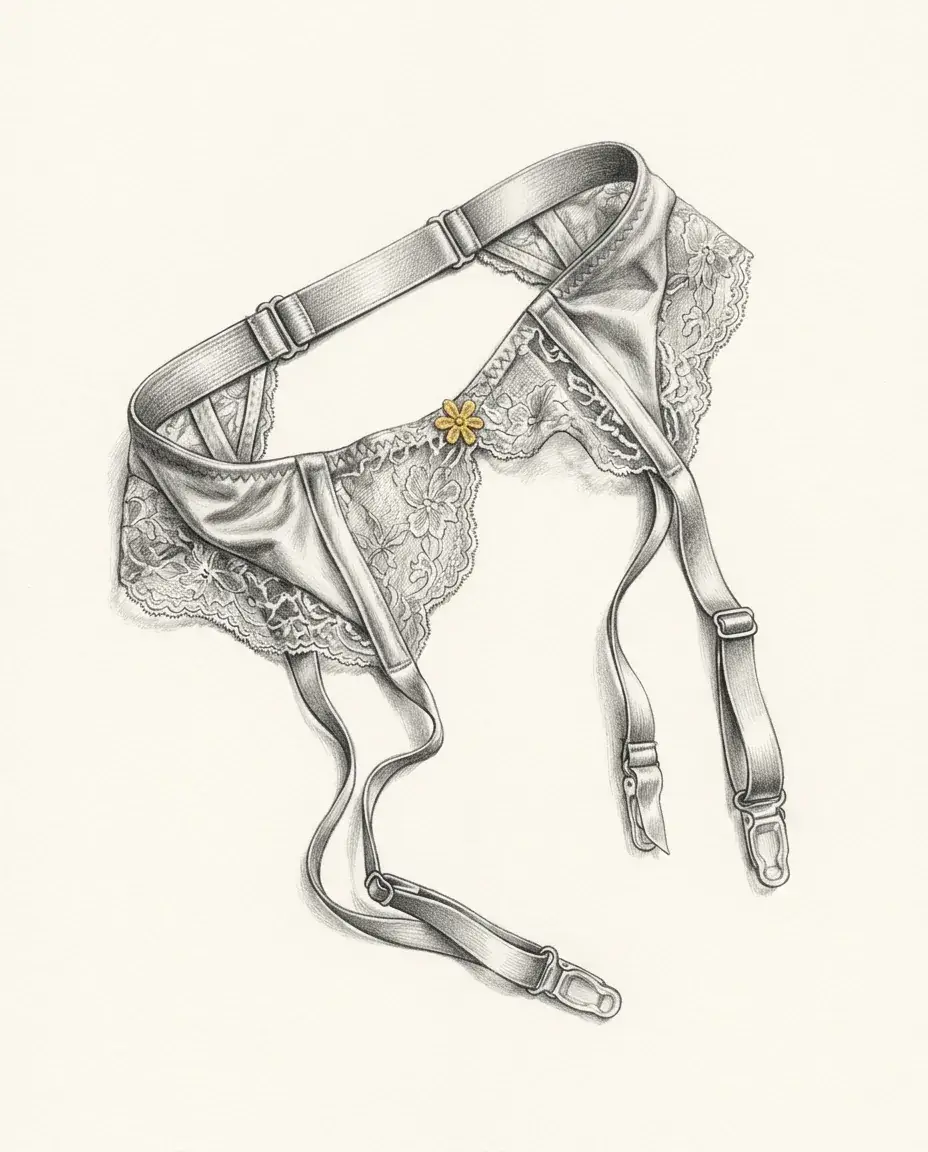
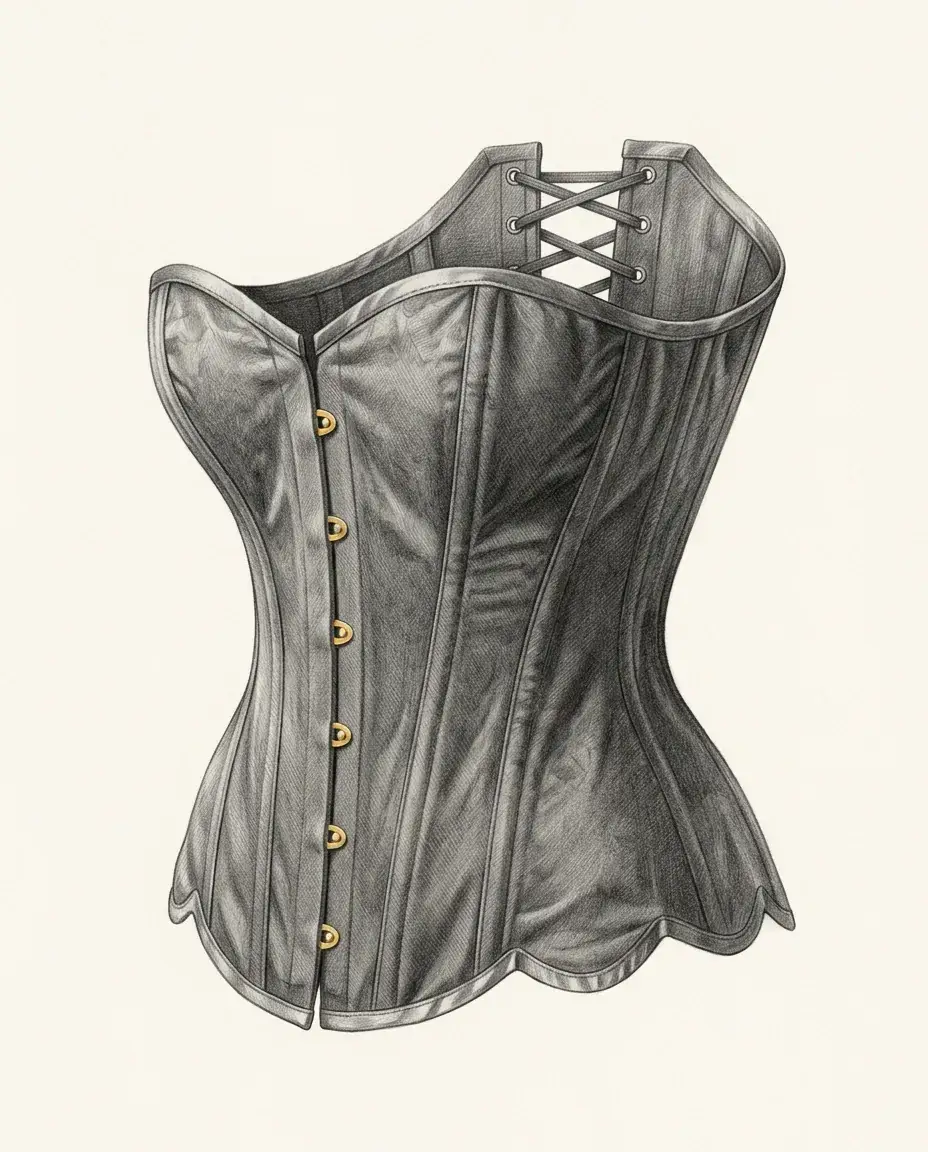
Seven garments and three fabrics, and the fabrics explain the garments. Panty fetish is the underwear interest proper, and the entry addresses the question the FAQ below repeats, why underwear is the garment people keep. Stocking fetish, at rank 77, is the legwear interest, pantyhose fetish its one-piece cousin, seamed stocking fetish the narrowest form, an interest in the line up the back of the leg, and garter belt fetish the interest in the straps that frame the thigh and hold the stocking up. Corset fetish is the outlier, an interest in compression and silhouette rather than in concealment.
The fabrics are the reason. Silk, lace and satin are the soft-textile interests, filed among the materials, and a reader who opens one will see why the garments rank where they do: a stocking is nylon or silk, a garter belt is lace, lingerie is all three. The catalog files the material and the garment separately because people search for both, and the entries cross-link so neither page is a dead end.
Where its edges are
The hosiery entries are shared with the foot fetish collection, where a stocking is an extension of the foot rather than a garment in its own right; nylon fetish and sock fetish are filed there and not here for that reason. The second-skin materials, latex, leather and PVC, have their own collection: they are worn close to the body too, but the interest is in the enclosure and the shine, and the two families barely overlap in practice.
The other edge is the wearer. Lingerie on a partner and lingerie on oneself are different interests, and the second, in a man, is cross-dressing, which the catalog files as common and benign and separates from transvestic disorder by the DSM's own distress criterion. The FAQ below answers the question directly, and the answer is that the garment says nothing about orientation.
How the ranking reads
One entry is very common, three are common and six are uncommon. Lingerie fetish at 12 percent stands well above the rest; stockings at 7 percent and panties at 4 percent follow; the fabrics sit at the foot, each around 1 percent, because a fabric on its own is a rarer focus than the garment it makes. The collection reads as a funnel: many people respond to the garment, fewer to one garment, fewer still to the material alone.
Common questions
Why is underwear so often the garment people keep?
It is the layer worn closest to the skin, so it carries scent and shape in a way outer clothing does not. That is the thread running through a panty interest and much of lingerie fetishism: the garment stands in for the person who wore it, which is also why the used item is often valued over the new one.
What is the difference between stockings, pantyhose and a garter belt?
Stockings end at the thigh and are held up by elasticated tops or by suspender straps; pantyhose are a single piece continuing to the waist; a garter belt is the harness that does the holding. The distinction matters because the interests diverge. Stocking fetish and garter belt fetish often turn on the exposed band of skin that pantyhose fetish replaces with uninterrupted sheer coverage.
Why does the fabric matter so much?
Because these interests are largely tactile, and sometimes acoustic, rather than visual alone. Silk and satin are valued for slip and coolness against skin, lace for texture and for concealing and revealing at once. A garment in the wrong material often does nothing at all for someone who responds strongly to the right one, which is why the fabrics have entries of their own.
Is wearing a corset safe?
Ordinary wear is, within limits. Tight-lacing compresses the ribs and abdomen, so the standard cautions are gradual conditioning rather than sudden reduction, no lacing during sleep or exercise, loosening at any sign of breathlessness, numbness or reflux, and eating lightly beforehand. Interest in corsetry often centres on the sensation of restriction itself, which makes an agreed signal to loosen worth setting in advance.
Does a man's interest in wearing lingerie say anything about his orientation?
Nothing reliable. Wearing the garments is generally about texture, fit and the way they change how a body feels, and men who report it span every orientation, including the straight majority. It overlaps with cross-dressing where the intent is to present as another gender, but a great deal of it stops at the fabric, and neither case predicts who someone is attracted to.