Attraction routed through inanimate objects, textures, and materials.
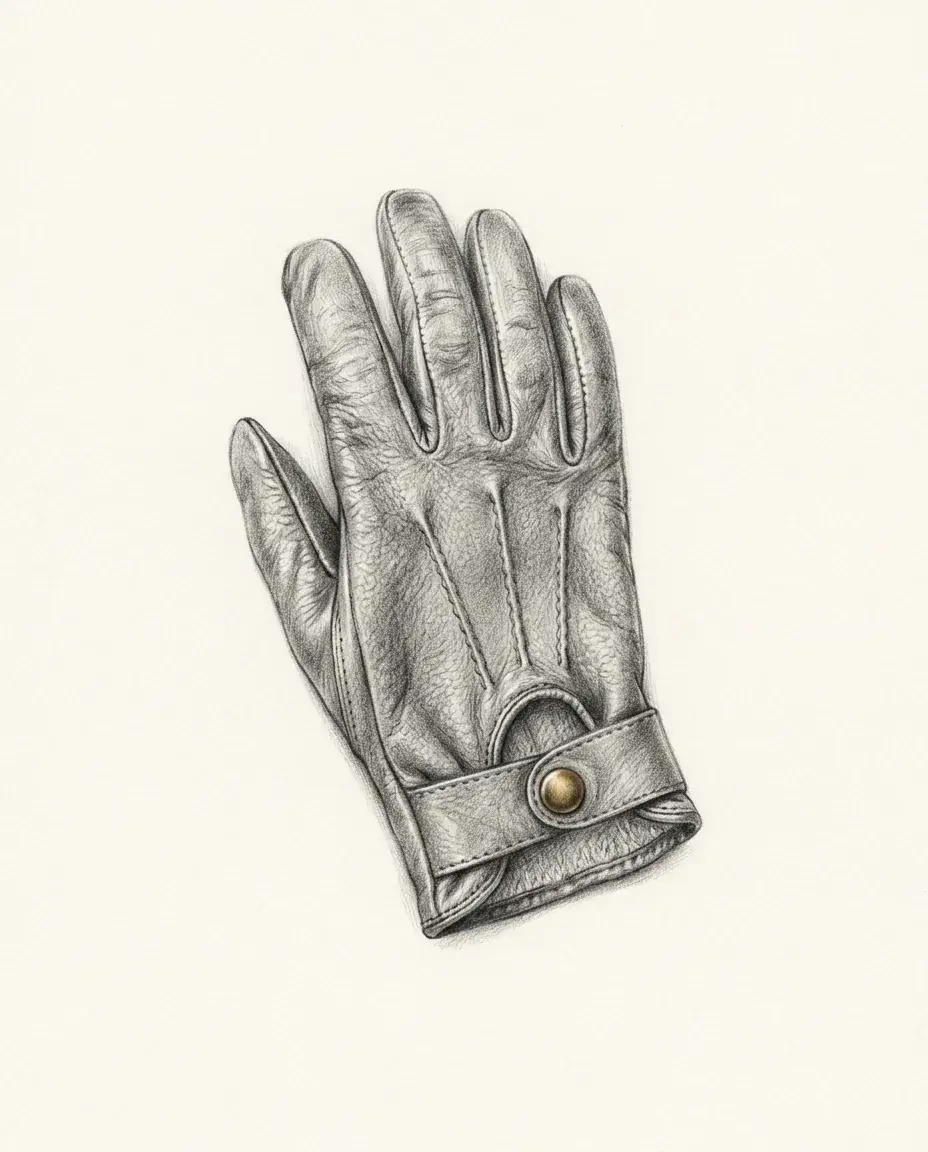
Interests directed at materials and objects (latex, leather, rubber, silk, nylon) and at the way they look, sound, smell, and feel against the skin. In the classic clinical sense, this is fetishism: arousal attached to a non-living thing or a specific texture.
30 entries
CompositionSexualsingle domain
Entries306.2% of the catalog
Mean index31 /100catalog 39.2
Subcategories2424 facets
Entries by index
hover a dot · click to open
050100
This category covers attraction mediated by materials and objects rather than by the body directly. It includes the second-skin synthetics (latex, rubber, PVC, spandex), natural and luxury fibres (silk, satin, fur, leather), and object-directed interests from balloons and inflatables to mechanical and everyday things.
Material fetishism is the prototype that gave the whole subject its clinical name. Most expressions are sensory and aesthetic (the gloss, tightness, scent, or sound of a material) and are practised safely between consenting adults.
Ultra-common0
Very common0
Common4
Uncommon11
Rare14
Very rare1
Ultra-common0
Very common0
Common4
Uncommon11
Rare14
Very rare1
Entries
Filter and sort within Objects & Materials, or switch categories from the control below.
Why do soft fabrics and hard materials attract such different interests?
They answer different wants. Silk, satin, lace and fur are about touch and drape, and the interest usually stays close to the hand and the skin. Metal, wood and machinery are about mass, cold and permanence, and that appeal is closer to reverence for the object than to sensation.
Does a latex allergy rule this out?
It rules out natural rubber, not the whole category. Latex allergy is a genuine immune reaction to proteins in the natural material, and reactions to full-body contact can be severe, so the substitutes are synthetic: PVC, spandex and nylon reproduce much of the sheen and compression without those proteins. Anyone with a known allergy should confirm what a garment is actually made from.
Is a fetish for a material the same as one for the thing made from it?
Often not, and the split shows up in what a person actually seeks out. A rubber interest may follow the material into any garment, while a gas mask or vacuum bed interest is tied to that specific object and what it does. The material is the constant in one case and incidental in the other.
Is being drawn to an object rather than a person a disorder?
Only under the conditions that apply to any other interest. Fetishistic disorder requires marked distress or impairment, and a preference for a texture meets neither. Object sexuality is a separate matter again: it describes a reported orientation toward particular structures or things, experienced by its subjects as love rather than as a preference, and it is not a material fetish.
Which of these need real safety precautions?
Anything that encloses the head or restricts air. A gas mask alters breathing by design, and a vacuum bed immobilises the whole body inside a sealed rubber sheet, leaving the person inside unable to free themselves. Both are treated as edge practices needing a sober attendant, an exit planned before the session, and short durations rather than long ones.
 65
65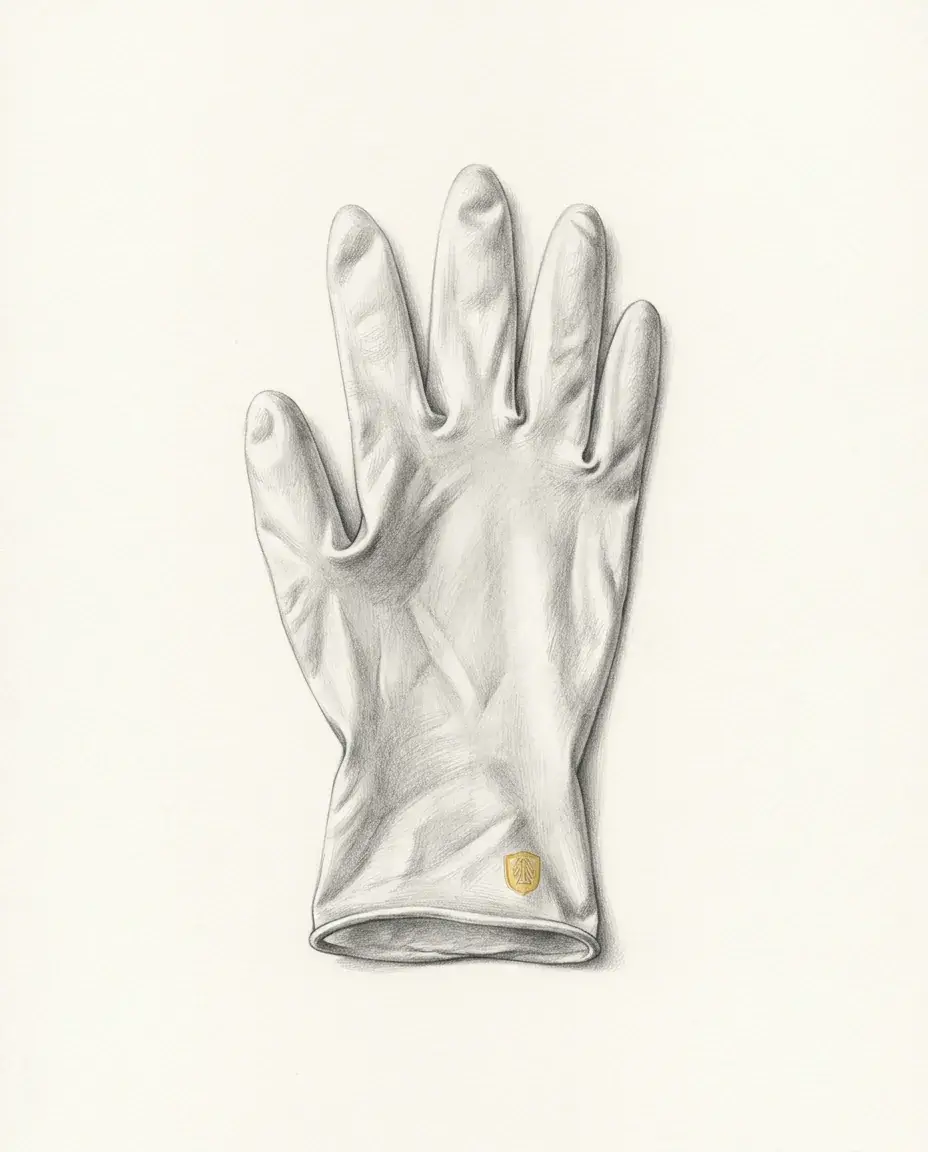 62
62 56
56 43
43 42
42 38
38 37
37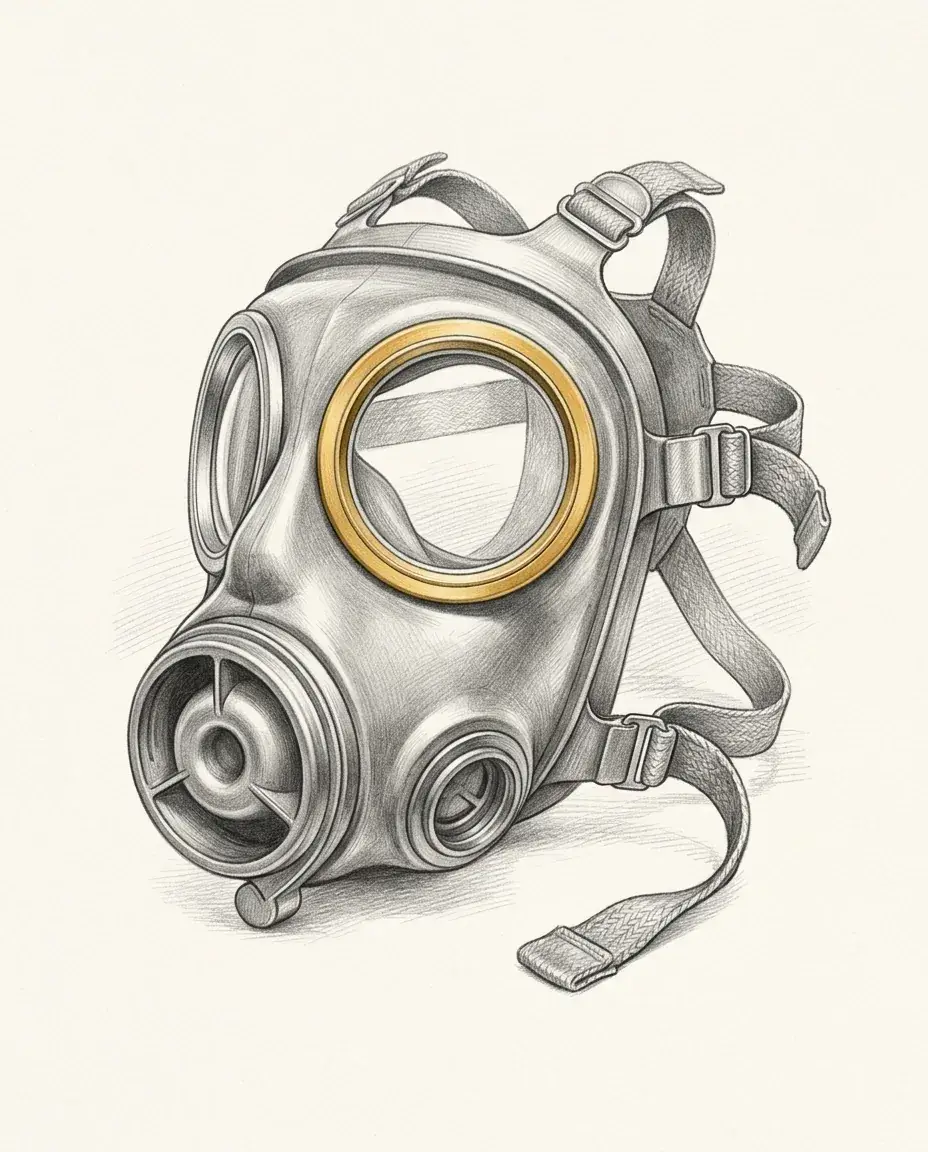 37
37 36
36 36
36 34
34 33
33 33
33 32
32 31
31 30
30 29
29 27
27 27
27 26
26 25
25 24
24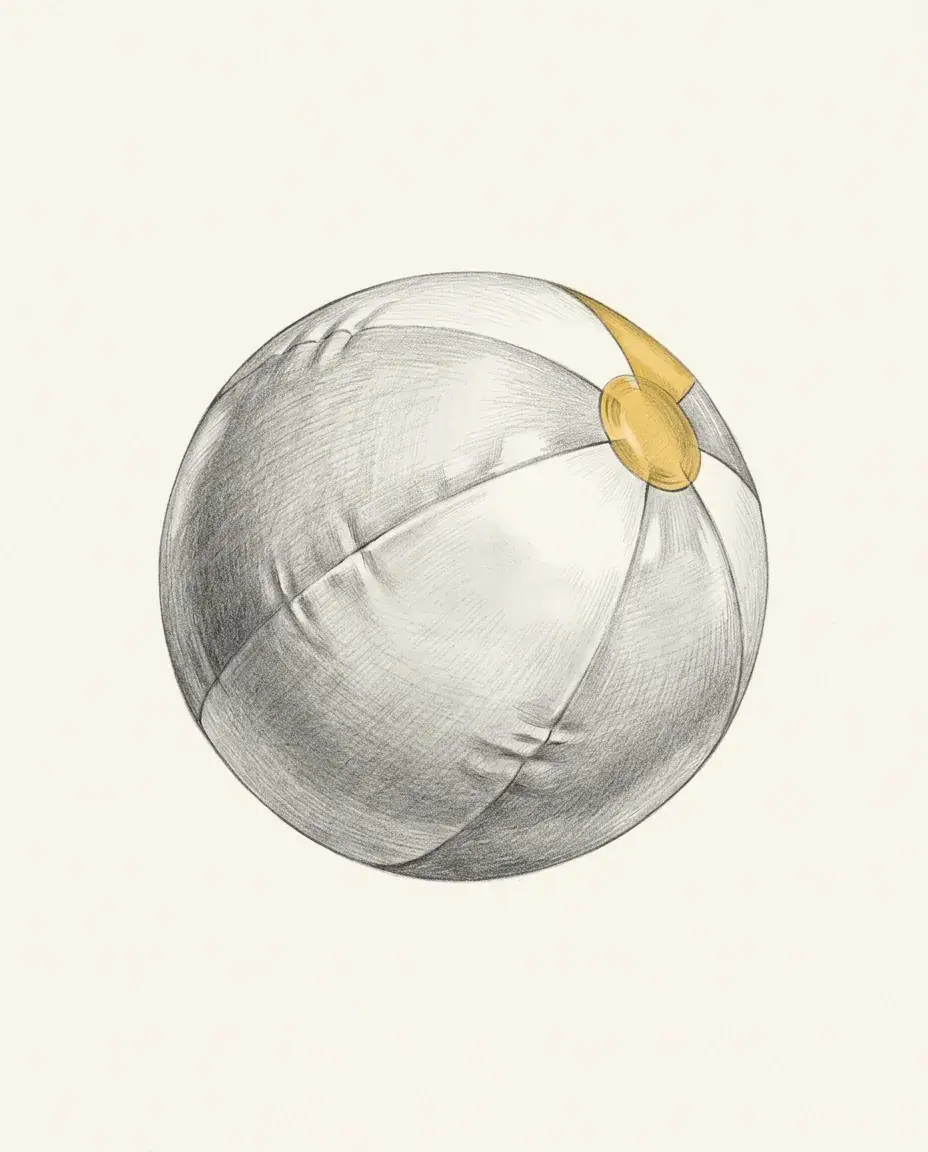 21
21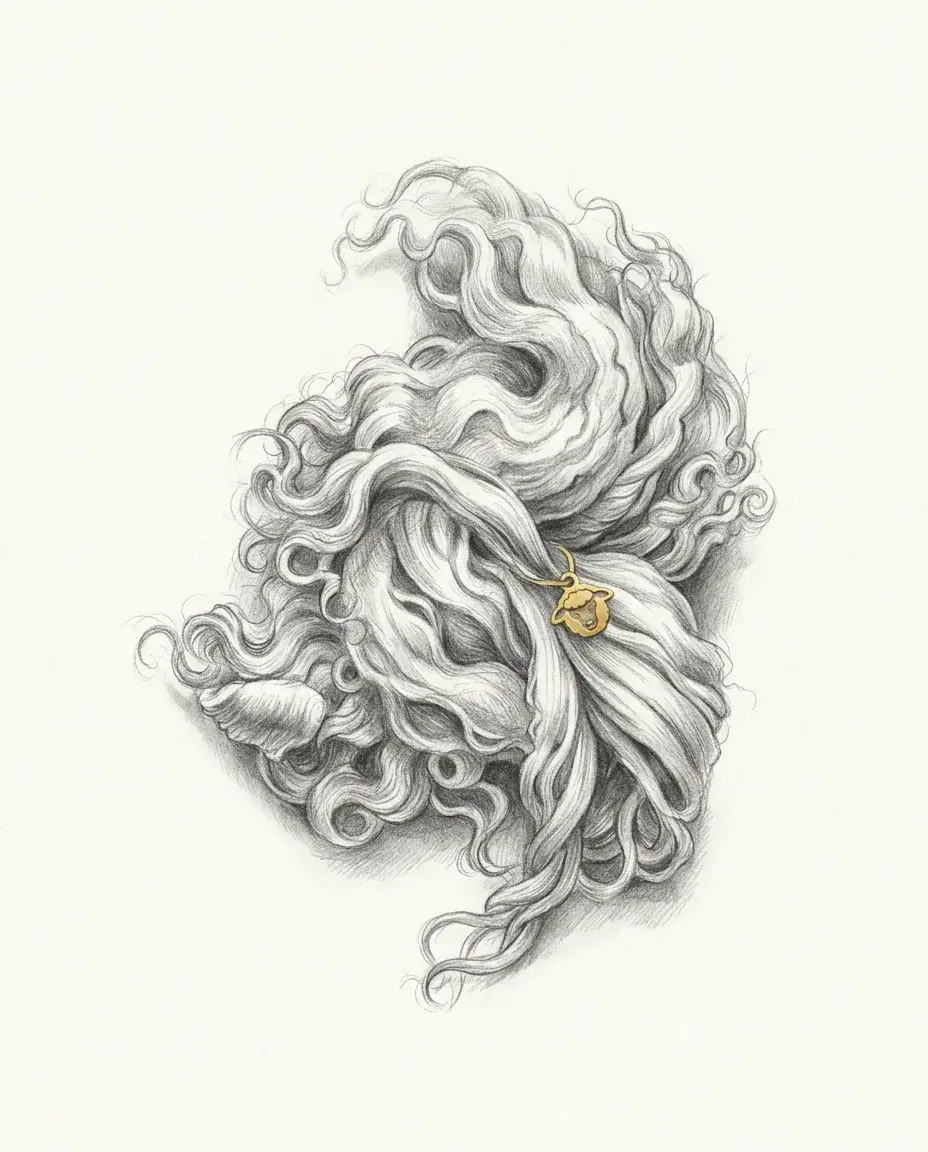 20
20